


Photo: Illustrative
BIS Study Finds Major Inconsistencies In How Bitcoin Transfer Data Is Measured
A new study from the Bank for International Settlements found that estimates of Bitcoin's onchain transfer values can differ by as much as sixfold depending on the measurement method used, raising questions about how reliable common crypto metrics really are.

A new study from the Bank for International Settlements found that estimates of Bitcoin’s onchain transfer values can differ by as much as sixfold depending on the measurement method used, raising questions about how reliable common crypto metrics really are.
Why The Numbers Vary So Widely
The gap centers on how transactions are counted, particularly around Bitcoin’s use of “change,” where unspent funds are returned to the sender but sometimes get mistakenly counted as a new transfer to another party.
Researchers said widely cited figures like transaction volumes, market capitalization and total value locked often suggest more precision than the underlying data actually supports. The study also found that Bitcoin’s standard market cap calculation has, at times, been up to four times higher than a more conservative measure that values each coin based on the price when it last moved.
Ethereum And Stablecoins Show Similar Problems
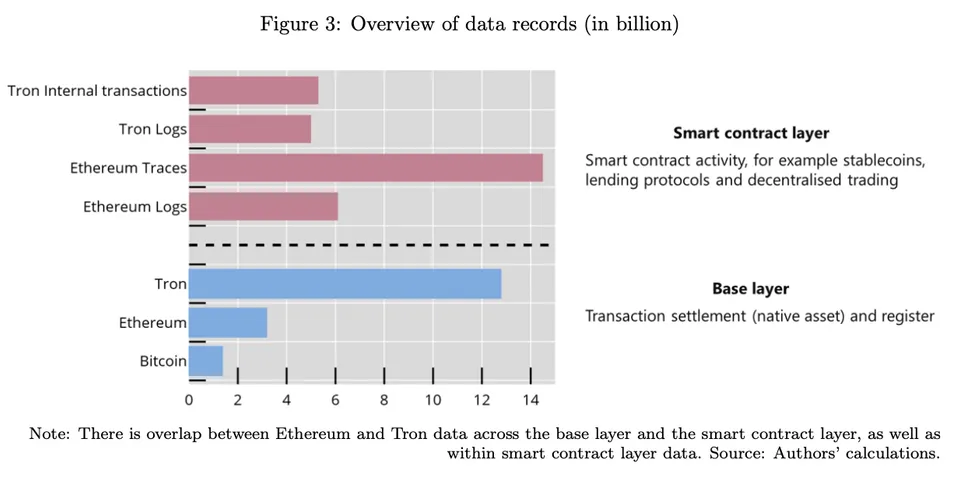
Analyzing 100 billion blockchain records across Bitcoin, Ethereum and Tron, researchers found Ethereum’s smart contract ecosystem especially hard to categorize, with about 54 million of 67.5 million active contracts falling outside existing classification systems. Stablecoin activity showed similar complexity, with USDT usage on Ethereum linked more closely to decentralized finance, while the same token on Tron behaved more like a payment or savings tool. The share of USDT held in smart contracts also varied sharply between the two networks. Researchers concluded that onchain data should be treated as rough approximations rather than precise measures of real economic activity.
Live market reaction
Disclaimer
This content is for informational purposes only and does not constitute financial, investment, or legal advice. Cryptocurrency trading involves risk and may result in financial loss.
Start trading
with BloFin today
Up to $500 sign-up bonus and zero-fee trading on your first 30 days.
Buy crypto nowⓘ You will be redirected to BloFin
About the author
8+ years covering crypto markets, macro, and geopolitics. Previously at Decrypt and CoinDesk. Focused on the intersection of digital assets and traditional finance.

 Tristan R. ·
.jpeg&w=32&q=75) Laurisa ·
Laurisa ·