

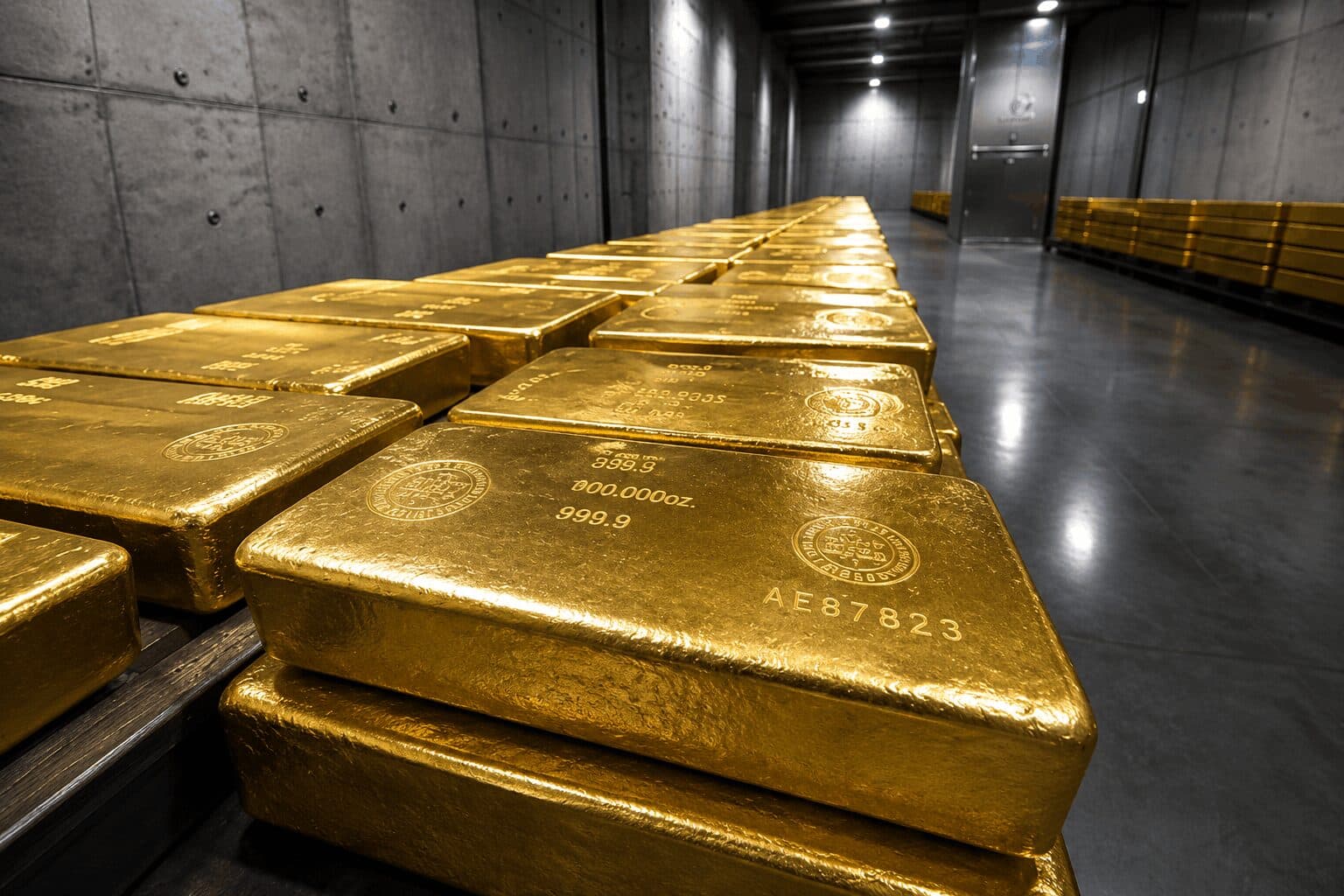
Photo: Illustrative
Bitcoin Holds Firm Despite Oil Surge and Rising Yields, But Dollar Strength Looms
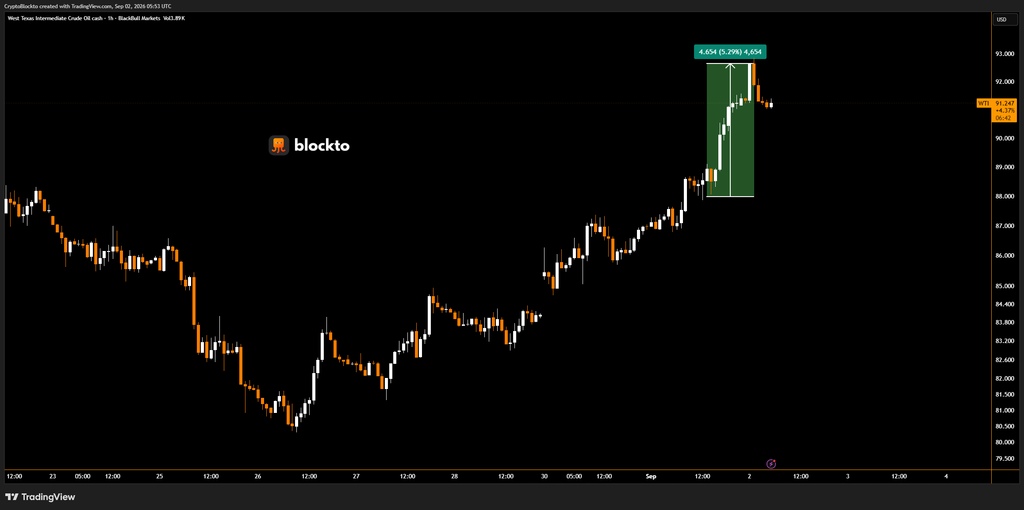
Bitcoin is proving unusually resilient this week, trading in a tight range between $76,000 and $80,000 even as traditional markets buckle under pressure. Oil prices have pushed past $92 a barrel, climbing nearly 9% in just days, stoking fears of renewed inflation and limiting the Federal Reserve's ability to cut rates.
.jpeg)
Bitcoin is proving unusually resilient this week, trading in a tight range between $76,000 and $80,000 even as traditional markets buckle under pressure. Oil prices have pushed past $92 a barrel, climbing nearly 9% in just days, stoking fears of renewed inflation and limiting the Federal Reserve’s ability to cut rates.
Bond Yields and Stocks Feel the Strain
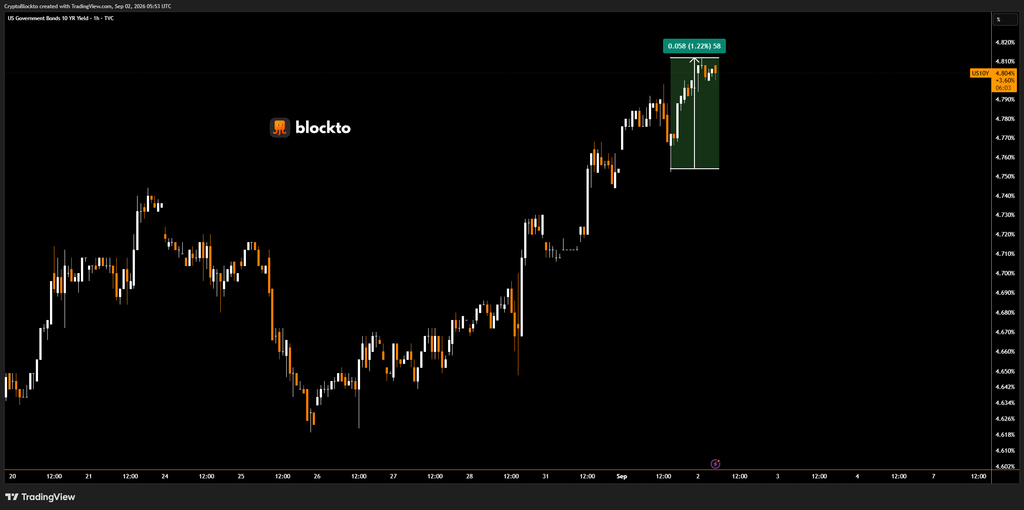
The U.S. 10-year Treasury yield has climbed to 4.81%, its highest level since 2023, tightening financial conditions and rattling equity markets. The S&P 500 has dropped for three straight sessions, while Asian markets are also under pressure from oil-driven inflation worries.
Gold Slides While Bitcoin Steadies
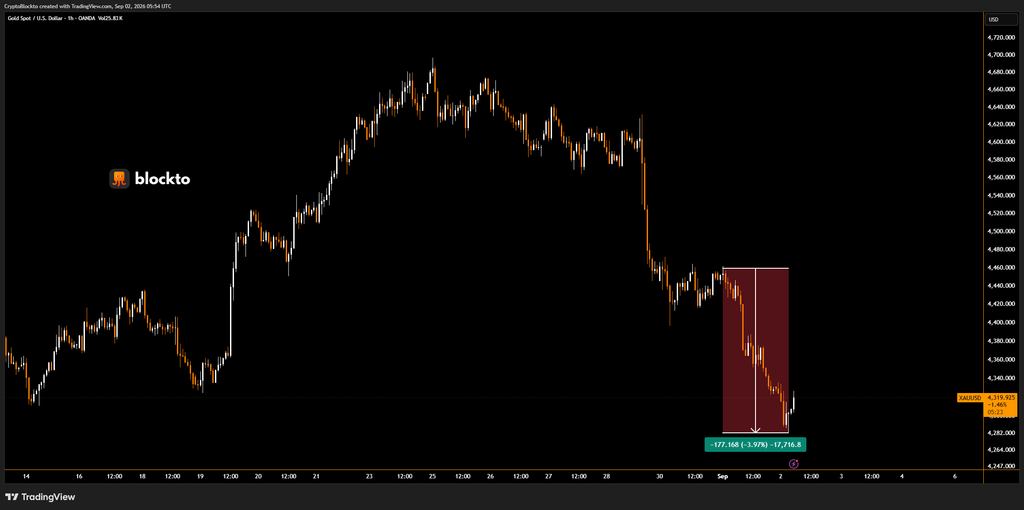
Gold has fallen sharply, dropping from around $4,700 to $4,300 an ounce in under a week. Bitcoin, by contrast, has shrugged off Friday’s 3% dip and stayed range-bound, suggesting investors may view it as a hedge against fiscal instability.
Dollar Strength Could Test Bitcoin’s Momentum
Still, a strengthening Dollar Index, nearing a long-term bullish trendline, could pose a headwind given bitcoin’s historically inverse relationship with the dollar.
Live market reaction
Disclaimer
This content is for informational purposes only and does not constitute financial, investment, or legal advice. Cryptocurrency trading involves risk and may result in financial loss.
Start trading
with BloFin today
Up to $500 sign-up bonus and zero-fee trading on your first 30 days.
Buy crypto nowⓘ You will be redirected to BloFin
About the author
Emerging voice in crypto journalism with a background in fintech and digital economics. Covers DeFi, NFTs, and the evolving regulatory landscape.

 Guylian ·

.jpeg&w=32&q=75) Laurisa ·
Laurisa ·