

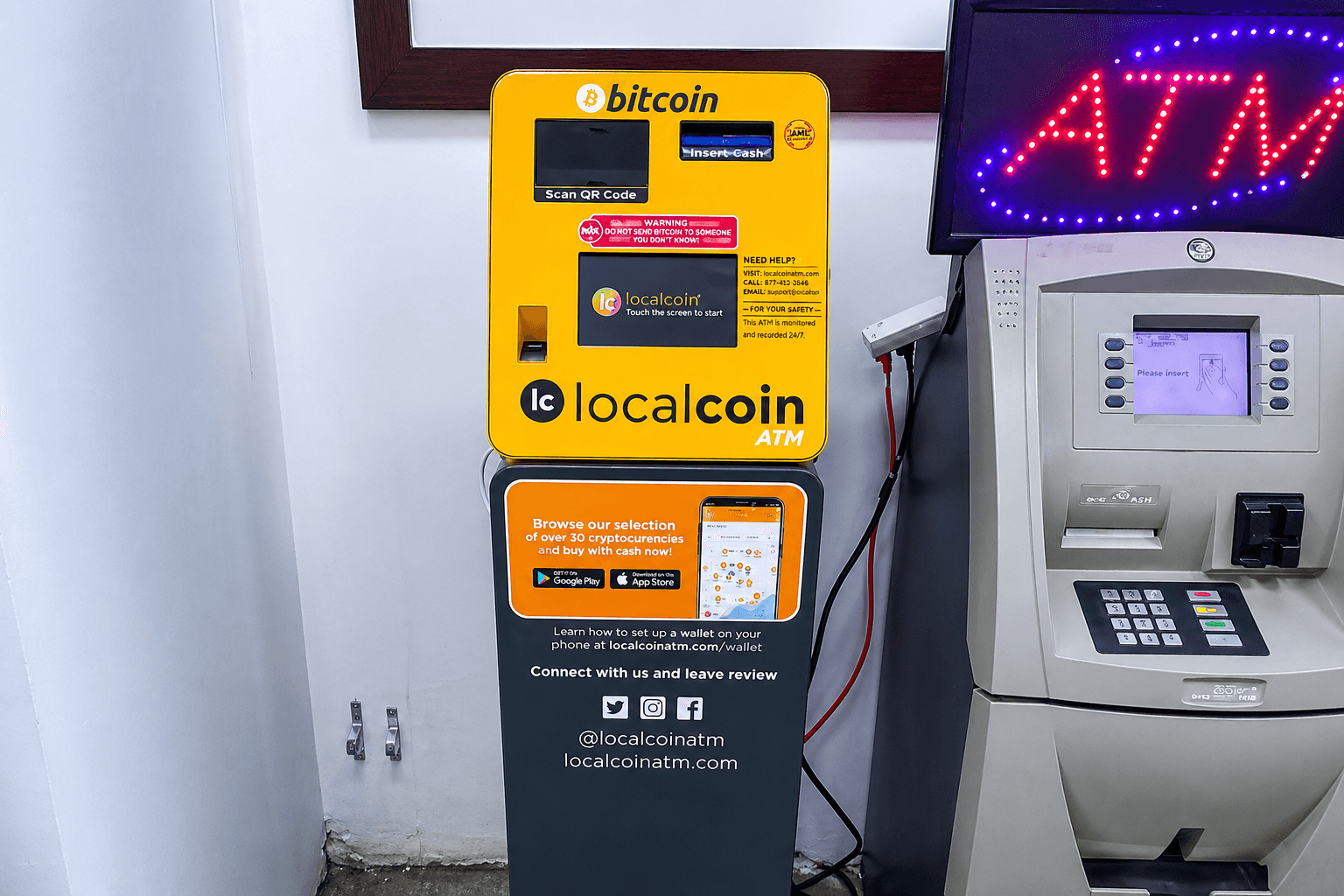
Photo: Illustrative
Canada Proposes Ban on Crypto ATMs, Calls Them ‘Primary Method’ for Fraud
The government of Canada has announced plans to ban crypto ATMs, citing their growing role in fraud and money laundering. The proposal was outlined in the country’s spring economic update, where officials described crypto ATMs as a “primary method” used by scammers to defraud victims and process illicit cash.

The government of Canada has announced plans to ban crypto ATMs, citing their growing role in fraud and money laundering. The proposal was outlined in the country’s spring economic update, where officials described crypto ATMs as a “primary method” used by scammers to defraud victims and process illicit cash.
Despite the proposed ban, the government clarified that Canadians would still be able to purchase cryptocurrency through legitimate brick-and-mortar money services businesses. However, officials did not provide further details on implementation timelines or enforcement mechanisms.
Canada currently hosts approximately 4,000 crypto ATMs, one of the largest concentrations globally. According to reports cited by CBC News, the sector operates without industry-specific regulations, contributing to increased regulatory concern.
Global Crackdown on Crypto ATMs Expands
Canada’s move follows growing international scrutiny of crypto kiosks. In the Indiana, lawmakers enacted a full statewide ban on crypto ATMs in March. Similarly, the governor of Tennessee recently signed legislation banning the machines and extending liability to businesses that host them.
Other countries are taking similar steps. Authorities in Australia have proposed expanding powers for anti-money laundering agencies to restrict illicit ATM use, while New Zealand has announced plans to introduce an outright ban.
Fraud Losses Continue to Rise
Crypto ATMs have long been linked to scams and laundering operations. A report from the Federal Bureau of Investigation revealed that U.S. authorities recorded 13,460 complaints involving crypto ATMs in 2025, resulting in $389 million in losses. That figure represented a 58% increase compared with the previous year, highlighting the scale of the issue.
Overall, Canada’s proposed ban signals a tougher regulatory stance aimed at limiting fraud channels while preserving regulated pathways for cryptocurrency access.
Live market reaction
Disclaimer
This content is for informational purposes only and does not constitute financial, investment, or legal advice. Cryptocurrency trading involves risk and may result in financial loss.
Start trading
with BloFin today
Up to $500 sign-up bonus and zero-fee trading on your first 30 days.
Buy crypto nowⓘ You will be redirected to BloFin
About the author
Covers Bitcoin, on-chain data and market structure. Breaks down what the charts and wallet flows are actually saying, without the hype.

 Guylian ·

.jpeg&w=32&q=75) Laurisa ·
Laurisa ·