Photo: Illustrative
Cardano Gives Up Central Control, Hands Core Development to Independent Teams
Cardano's founding company, Input Output, is giving away control of the blockchain's most important building blocks. Starting in August, outside teams will take charge of the Haskell node, the Plutus smart contract system, the Daedalus wallet, and Hydra scaling tech, along with developer relations work that used to sit entirely in-house.

Cardano’s founding company, Input Output, is giving away control of the blockchain’s most important building blocks. Starting in August, outside teams will take charge of the Haskell node, the Plutus smart contract system, the Daedalus wallet, and Hydra scaling tech, along with developer relations work that used to sit entirely in-house.
Two Outside Firms Step Into Bigger Roles
A Solana focused development shop called Se7en Labs and a cryptography-focused firm named Teragone are among the groups picking up these responsibilities. Teragone already leads work on Mithril, Cardano’s stake based signature system. The handover won’t happen overnight; it stretches from August through 2027, giving these teams time to settle in.
Hoskinson Frames This as the Final Piece of Voltaire
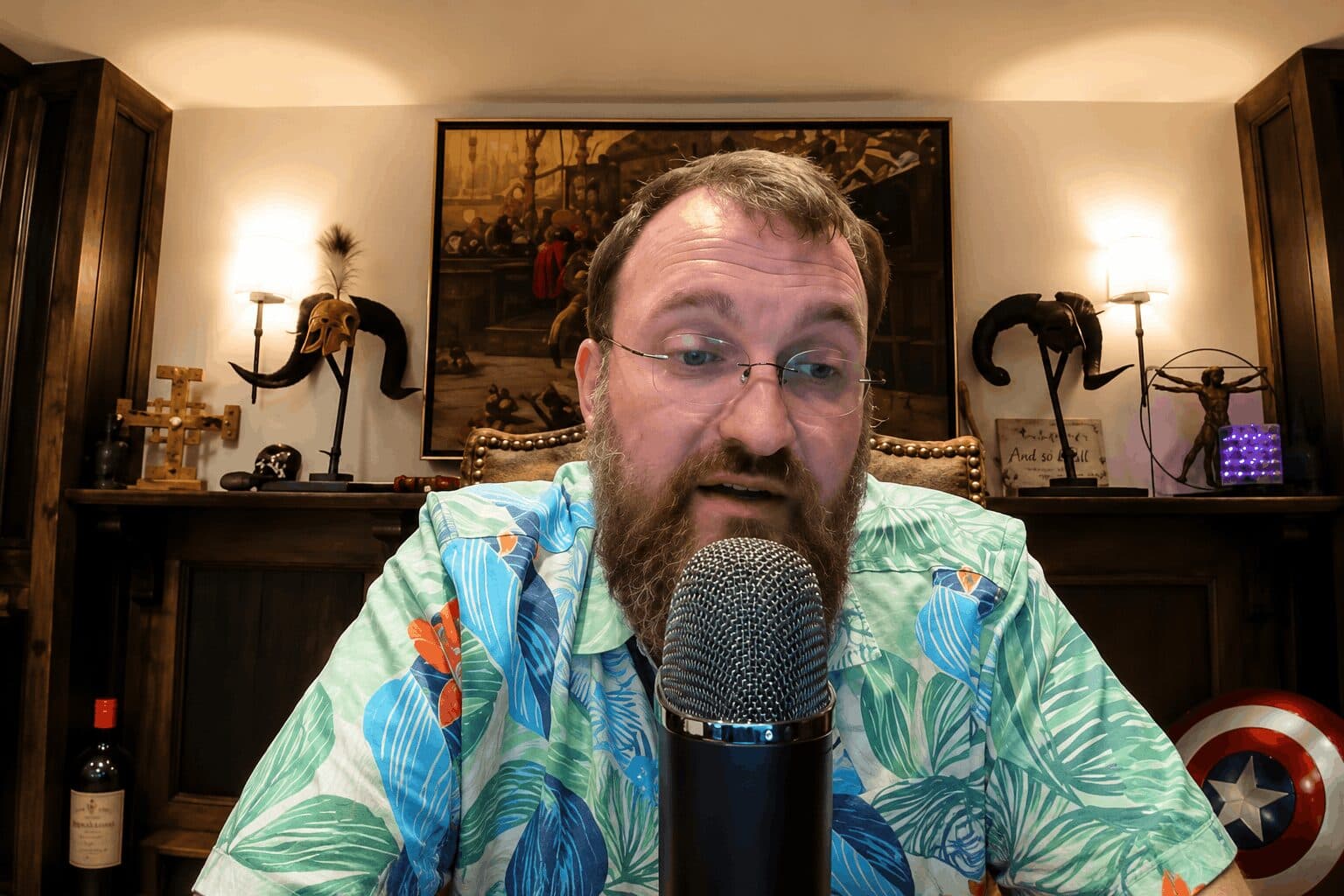
Charles Hoskinson, who founded Cardano and runs Input Output, called this the last real step toward full decentralization. Going forward, at least three separate versions of the Cardano node will exist, built in Haskell, Rust, and Go, so the network doesn’t depend on any single codebase. Groups like Intersect and Pragma will handle official specifications, but actual changes go through community review and voting.
The Timing Isn’t Exactly Flattering
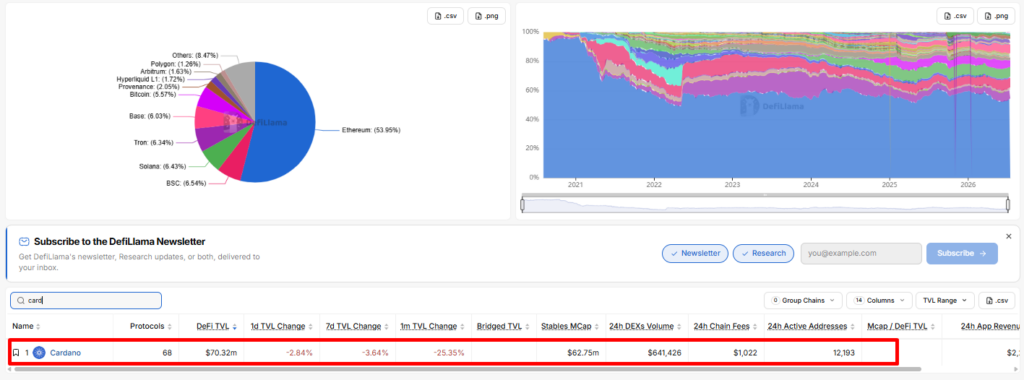
Cardano’s total value locked sits around $70 million right now. Compare that to Solana or Tron, both sitting above $4 billion, and the gap is obvious. ADA itself trades near 16 cents, down almost 95% from its 2021 peak of $3.10.
Hoskinson hasn’t shied away from this. He’s said openly that Cardano is going through what he calls “growing pains,” and that some projects tied to the ecosystem will likely shut down before things improve. His exact words: bones have to break, growth spurts have to happen, and failures build confidence over time.
Less Reliance on One Company
By spreading development across multiple outside teams, Input Output hopes to reduce how much the network depends on itself. It’s also something of a test, whether independent groups can keep building without slowing progress or running into coordination headaches. Meanwhile, Input Output plans to shift more of its own energy toward research and newer ventures through IO Labs and IO Ventures.
Hoskinson said he’s proud the project has reached this stage, adding that partners are ready and the ecosystem now has real options to choose from.
Live market reaction
Disclaimer
This content is for informational purposes only and does not constitute financial, investment, or legal advice. Cryptocurrency trading involves risk and may result in financial loss.
Start trading
with BloFin today
Up to $500 sign-up bonus and zero-fee trading on your first 30 days.
Buy crypto nowⓘ You will be redirected to BloFin
About the author
8+ years covering crypto markets, macro, and geopolitics. Previously at Decrypt and CoinDesk. Focused on the intersection of digital assets and traditional finance.

 Tristan R. ·