


Photo: Illustrative
Crypto Compliance Improves, But Indirect Monitoring Gaps Still Exist: Chainalysis Report
Crypto industry compliance has improved significantly, but gaps still remain, according to a new Chainalysis report preview released on May 28.

Crypto industry compliance has improved significantly, but gaps still remain, according to a new Chainalysis report preview released on May 28.
The report found that around 47% of crypto organizations onboarded in 2026 are now operating at alerting and monitoring standards that would have ranked among the strictest in the industry just five years ago. In 2020, only about 10% of firms met those top level requirements.
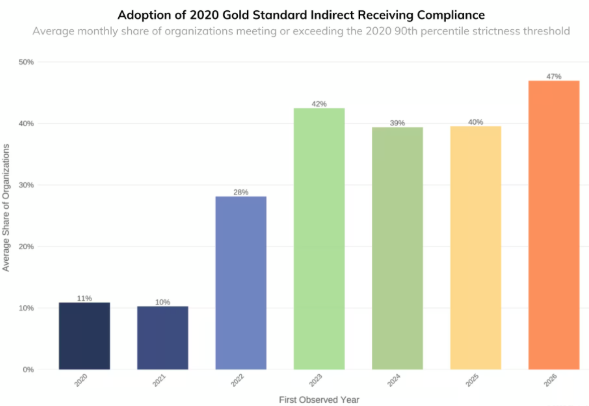
Chainalysis said the overall compliance baseline has tightened across key areas such as alert severity, trigger sensitivity, and minimum transaction detection thresholds. It also noted that newer companies are now launching with stronger built-in monitoring systems from the start.
Stronger Direct Monitoring, But Weakness in Indirect Risk Detection
The report highlighted a major difference between direct and indirect monitoring. Direct monitoring where funds come straight from known illicit sources has improved significantly and is now fairly consistent across the industry.
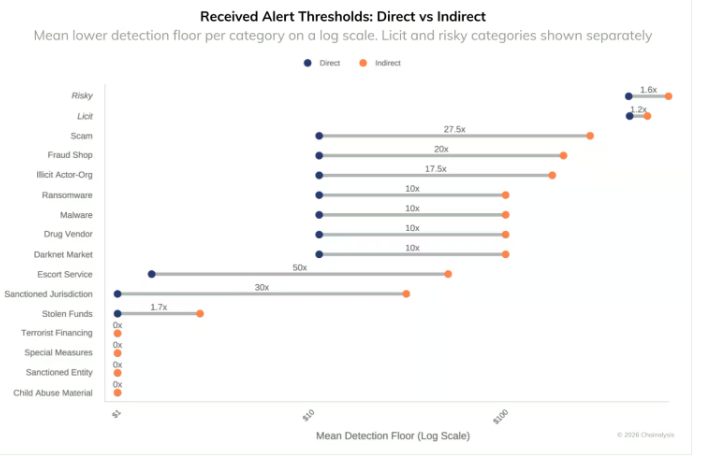
However, indirect monitoring remains a weak point. This involves funds that pass through multiple intermediary wallets before reaching an exchange or platform. According to Chainalysis, this area is still not being tracked with the same level of strictness.
The firm noted that crypto exchanges generally use higher alert thresholds compared to traditional financial institutions, especially for indirect exposure. In many cases, risks tied to ransomware, scams, darknet markets, and fraud related flows have indirect monitoring thresholds that are 10 to 20 times higher than direct ones.
Security Risks Remain Despite Industry Progress
Chainalysis said this gap creates opportunities for illicit actors to move funds through layered transactions without triggering alerts. Closing this gap, the report added, would improve regulatory confidence and strengthen trust in crypto businesses.
North Korea linked hackers alone were estimated to have caused around $2 billion in crypto losses in 2025, increasing pressure on exchanges to strengthen compliance systems further.
Chainalysis concluded that the crypto sector is becoming more mature and professional in direct monitoring, but still needs to apply the same strict standards to indirect transaction risks.
Live market reaction
Disclaimer
This content is for informational purposes only and does not constitute financial, investment, or legal advice. Cryptocurrency trading involves risk and may result in financial loss.
Start trading
with BloFin today
Up to $500 sign-up bonus and zero-fee trading on your first 30 days.
Buy crypto nowⓘ You will be redirected to BloFin
About the author
8+ years covering crypto markets, macro, and geopolitics. Previously at Decrypt and CoinDesk. Focused on the intersection of digital assets and traditional finance.

 Tristan R. ·

.jpeg&w=32&q=75) Laurisa ·
Laurisa ·