

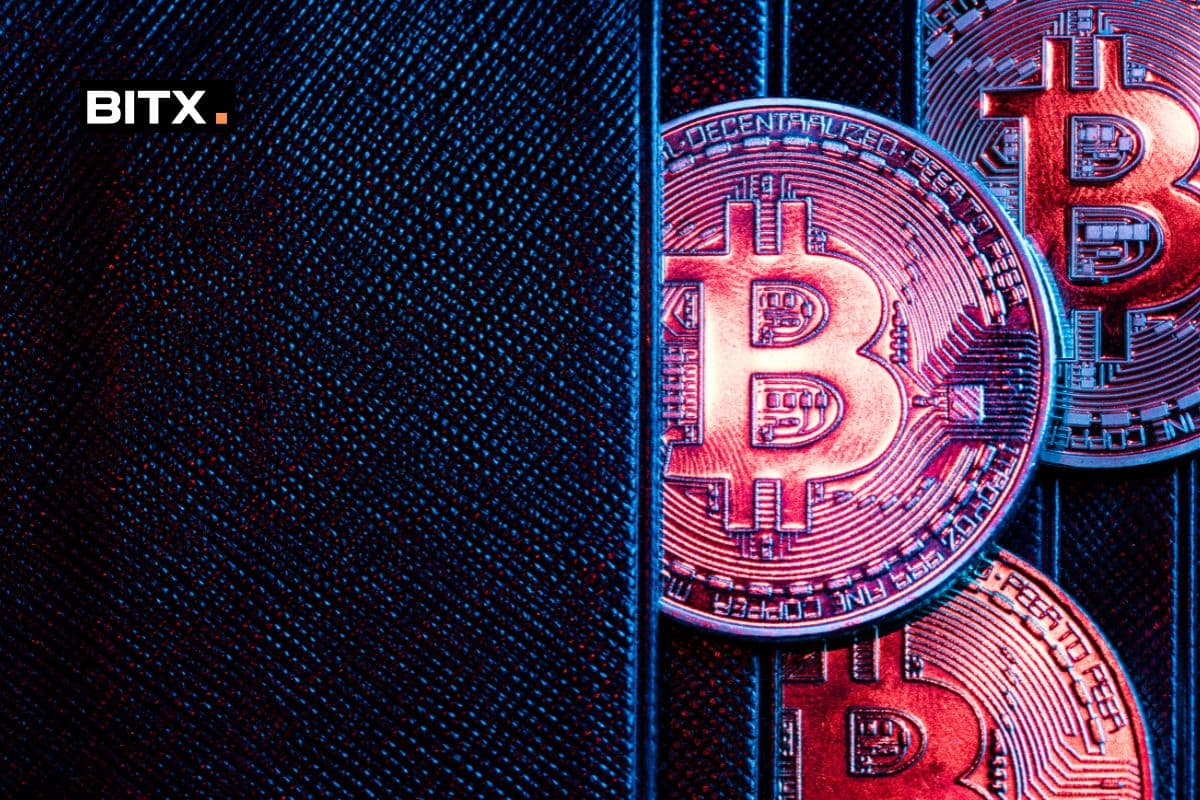
Photo: Illustrative
Decentralized Finance: How Bitcoin is Revolutionizing Financial Infrastructure
Introduction
.jpeg)
Introduction
In the rapidly evolving world of modern finance, a paradigm shift is underway. A new breed of financial services, colloquially known as Decentralized Finance (DeFi), is making waves, disrupting traditional finance, and promising to revolutionize the way we manage, exchange, and lend money. At the forefront of this movement is Bitcoin, the first and most well-known cryptocurrency. This article delves into the ways Bitcoin is leading this revolution in financial infrastructure.
The Birth of a New Financial Ecosystem
Launched in 2009, Bitcoin laid the groundwork for an entirely novel financial system. Unlike traditional fiat currencies, Bitcoin operates on a decentralized blockchain network, which offers security, transparency, and immutability. This digitally native system, free from the constraints of centralized entities, is giving rise to a new economic ecosystem.
Decentralization: The Cornerstone of DeFi
The decentralized nature of Bitcoin and other cryptocurrencies is the foundation upon which DeFi is built. In a centralized system, financial intermediaries such as banks have control over transactions, data, and resources. However, in a decentralized system like DeFi, these functions are distributed among users, with each participant having equal access to the network.
This decentralization brings several advantages. For one, it reduces the potential for fraud and manipulation, as there is no single point of control. Additionally, decentralized systems tend to be more resilient, able to continue functioning even in the face of external attacks or failures.
Bitcoin and Smart Contracts: Powering DeFi Applications
Another key component of DeFi is the use of smart contracts, self-executing contracts with the terms of the agreement directly written into code. Bitcoin’s blockchain does not support smart contracts directly, but it has paved the way for the development of other blockchain platforms that do, such as Ethereum.
These platforms enable the creation of decentralized applications (dApps) for various financial services, including lending, borrowing, trading, and insurance. Bitcoin’s adoption and longevity have been instrumental in fostering confidence in these new platforms, making them more attractive to users and developers alike.
Financial Inclusion: Breaking Barriers with Bitcoin
One of Bitcoin’s most significant impacts on financial infrastructure is its potential to bring financial services to underserved populations. Traditional banks often deny access to services for those lacking credit histories or live in regions with poor financial infrastructure. However, the decentralized nature of Bitcoin and DeFi services eliminates the need for these intermediaries, making financial services accessible to a much broader audience.
Security and Transparency: Protecting Users and Assets
Bitcoin’s blockchain is secure, thanks to its use of cryptography and a method called proof-of-work, which makes it resistant to tampering. This security is essential for the success of DeFi, as it offers users peace of mind knowing their assets are protected.
Furthermore, the transparency of Bitcoin transactions allows users to verify the movement of their funds and the execution of smart contracts, enhancing trust in the system and reducing the potential for disputes.
Conclusion
Bitcoin’s decentralized nature, security, transparency, and longevity have positioned it as the flagbearer in the charge towards a new era of financial infrastructure. Its role in the development of DeFi promises to reshape finance as we know it, making it more accessible, secure, and transparent for all. In the years to come, it is likely that Bitcoin and DeFi will continue to disrupt traditional finance, opening up new possibilities for how we manage and exchange value.
Live market reaction
Disclaimer
This content is for informational purposes only and does not constitute financial, investment, or legal advice. Cryptocurrency trading involves risk and may result in financial loss.
Start trading
with BloFin today
Up to $500 sign-up bonus and zero-fee trading on your first 30 days.
Buy crypto nowⓘ You will be redirected to BloFin
About the author
Emerging voice in crypto journalism with a background in fintech and digital economics. Covers DeFi, NFTs, and the evolving regulatory landscape.

 Tristan R. ·

.jpeg&w=32&q=75) Laurisa ·
Laurisa ·