

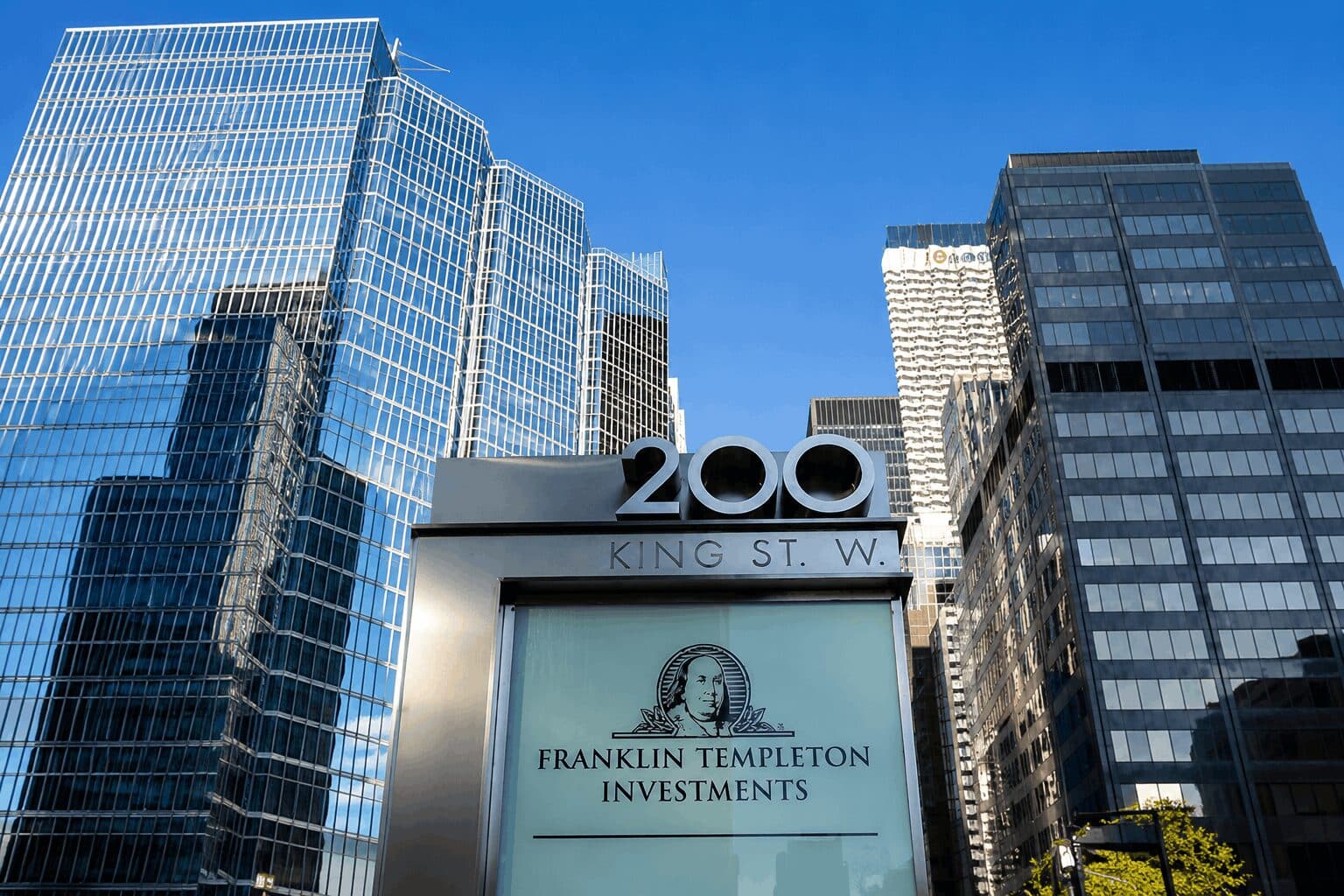
Photo: Illustrative
Franklin Templeton and HashKey Launch Tokenized US Money Fund in Asia
Hong Kong regulated crypto exchange HashKey has partnered with global asset manager Franklin Templeton to distribute its tokenized money market fund, known as grBENJI, to professional digital asset investors across Asia. The fund offers exposure to U.S. government money market instruments and dollar-based assets through blockchain technology.
.jpeg)
Hong Kong regulated crypto exchange HashKey has partnered with global asset manager Franklin Templeton to distribute its tokenized money market fund, known as grBENJI, to professional digital asset investors across Asia. The fund offers exposure to U.S. government money market instruments and dollar-based assets through blockchain technology.
Tokenized Treasury Market Sees Explosive Growth
Tokenized U.S. Treasury and money market funds have grown by 1,500% over the past two years, reaching a total value of $15 billion, reflecting rising institutional interest in blockchain-based real-world asset products. Franklin Templeton, which manages $1.8 trillion in assets globally, aims to expand its digital asset offerings through this partnership.
Part of HashKey’s Broader RWA Strategy
The move builds on HashKey’s growing focus on real-world asset tokenization, following its recent announcement of cross-border stablecoin transactions with the UAE and Middle East using Hong Kong’s regulated digital dollar. Both companies say they plan to expand into additional tokenized financial products in the future.
Live market reaction
Disclaimer
This content is for informational purposes only and does not constitute financial, investment, or legal advice. Cryptocurrency trading involves risk and may result in financial loss.
Start trading
with BloFin today
Up to $500 sign-up bonus and zero-fee trading on your first 30 days.
Buy crypto nowⓘ You will be redirected to BloFin
About the author
Emerging voice in crypto journalism with a background in fintech and digital economics. Covers DeFi, NFTs, and the evolving regulatory landscape.

 Guylian ·

.jpeg&w=32&q=75) Laurisa ·
Laurisa ·