

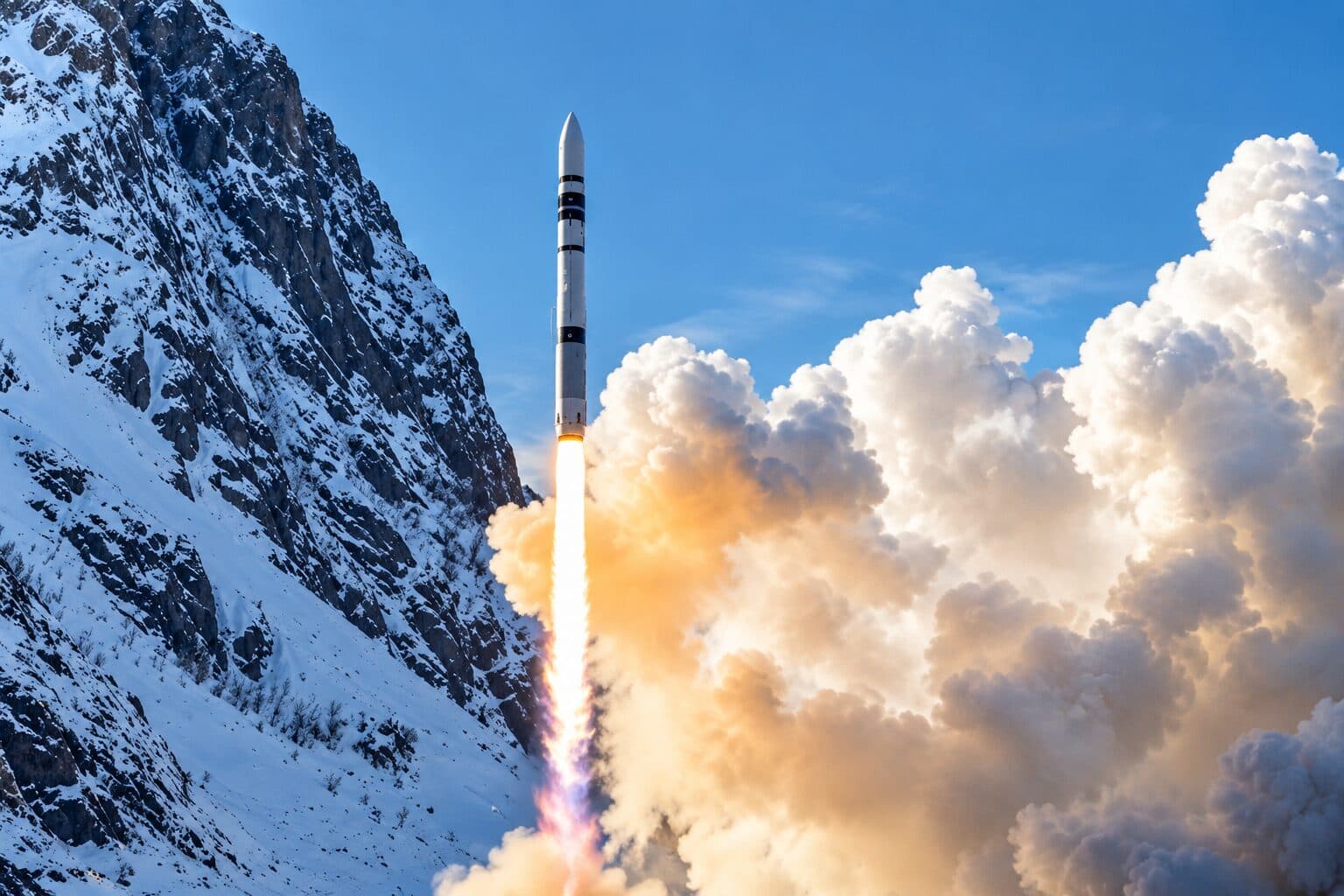
Photo: Illustrative
German Rocket Reaches Orbit, Marking Milestone for Europe’s Space Ambitions
German startup Isar Aerospace successfully launched its first rocket into orbit from a spaceport in Arctic Norway on Saturday, marking a significant milestone for Europe's growing commercial space industry. The uncrewed rocket became the first commercial launch to reach orbit from mainland Europe, a region where several countries have expressed ambitions to compete in the expanding global satellite launch market.
.jpeg)
German startup Isar Aerospace successfully launched its first rocket into orbit from a spaceport in Arctic Norway on Saturday, marking a significant milestone for Europe’s growing commercial space industry. The uncrewed rocket became the first commercial launch to reach orbit from mainland Europe, a region where several countries have expressed ambitions to compete in the expanding global satellite launch market.
Officials celebrated the launch as a major breakthrough, with Norwegian government representatives highlighting how the achievement strengthens both national and broader European security amid ongoing global uncertainty. The launch carried several small satellites along with an in flight technology experiment, designed specifically for smaller payload missions.
A Comeback After Previous Setback
This marked the company’s second launch attempt, coming roughly a year and a half after its first rocket failed shortly after liftoff from the same location, crashing into the sea without causing any injuries. Despite that earlier setback, the company had described the initial launch as valuable for generating important engineering data. Saturday’s mission served as both a qualification test for the rocket and its first flight carrying actual satellite payloads.
Europe Pushes for Greater Space Independence
The launch comes amid broader European efforts to reduce reliance on other global space powers, with senior government officials visiting the company’s launch facilities earlier this year to underscore the strategic importance of independent space access. Other European nations, including Sweden and the United Kingdom, are also developing their own launch sites as part of a wider push toward regional space autonomy.
The company recently secured substantial funding from the European Space Agency to support further rocket development and expand its launch infrastructure, and is additionally working on establishing a second launch site in Canada as it continues expanding its operations.
Live market reaction
Disclaimer
This content is for informational purposes only and does not constitute financial, investment, or legal advice. Cryptocurrency trading involves risk and may result in financial loss.
Start trading
with BloFin today
Up to $500 sign-up bonus and zero-fee trading on your first 30 days.
Buy crypto nowⓘ You will be redirected to BloFin
About the author
Emerging voice in crypto journalism with a background in fintech and digital economics. Covers DeFi, NFTs, and the evolving regulatory landscape.

 Guylian ·

.jpeg&w=32&q=75) Laurisa ·
Laurisa ·