

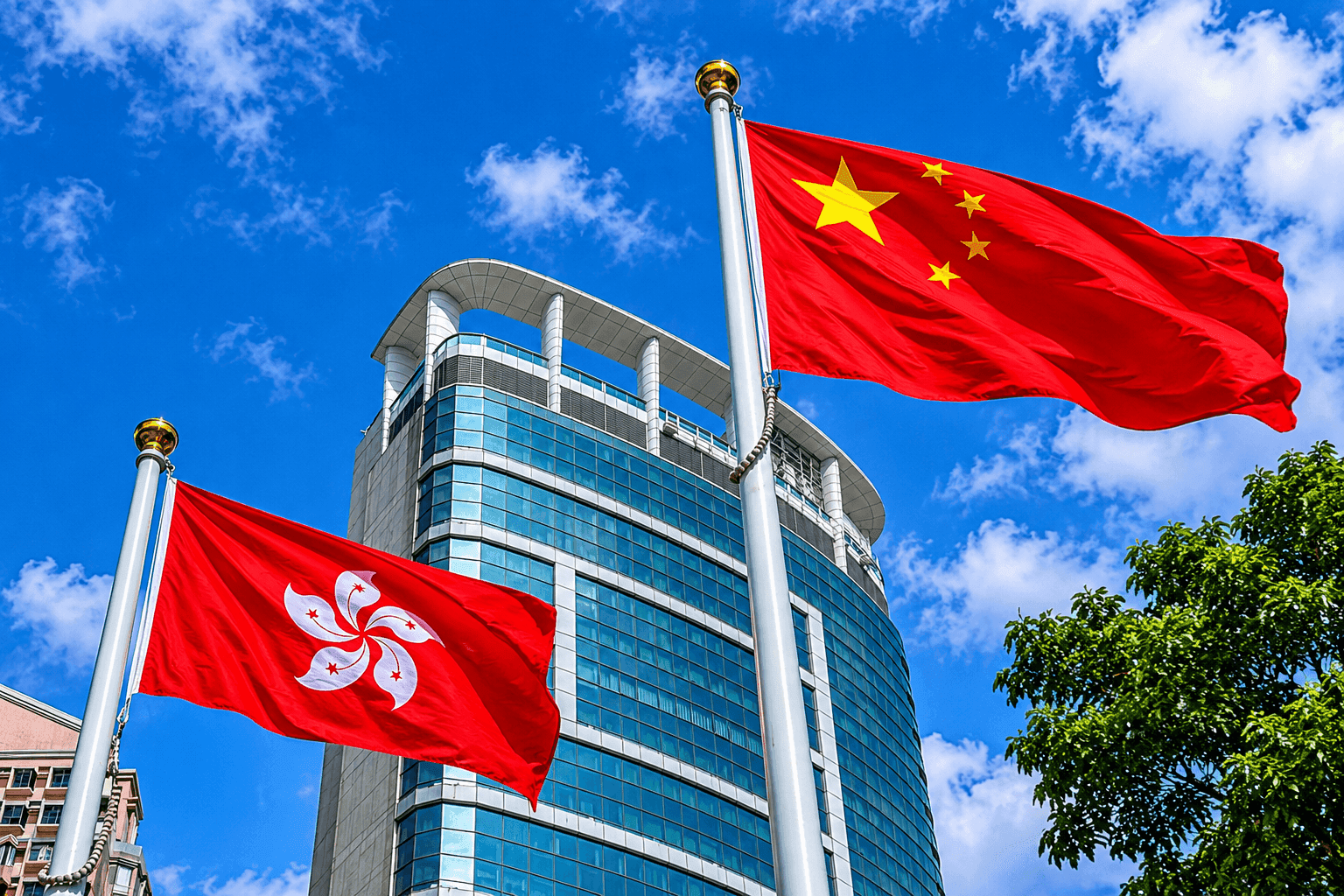
Photo: Illustrative
Hong Kong Pushes Banks to Use AI Against Crypto Crime
Hong Kong's central bank is urging banks to adopt artificial intelligence to spot suspicious money transfers, as stablecoins and other digital assets make illicit flows harder to follow. Officials want the tools to catch problems before funds vanish, without putting customer money at risk.
.jpeg)
Hong Kong’s central bank is urging banks to adopt artificial intelligence to spot suspicious money transfers, as stablecoins and other digital assets make illicit flows harder to follow. Officials want the tools to catch problems before funds vanish, without putting customer money at risk.
HKMA AI Adoption for Anti-Money Laundering
Raymond Chan, who leads enforcement and anti-money laundering at the Hong Kong Monetary Authority, said on Tuesday that the regulator is speeding up AI use across banks. One area under review is whether AI agents can combine blockchain transaction data with customer records. He said the main difficulty is linking wallet activity to real identities fast enough to stop money from being dispersed. Banks can already trace transfers on a blockchain, but knowing who controls a wallet is much harder, and identity tools for that purpose are being piloted.
Crypto Crime Data and AI Agent Detection
Chan pointed to Chainalysis research showing illicit crypto addresses received at least $154 billion in 2025, a 162% rise from the prior year, driven largely by sanctioned entities, with stablecoins making up 84% of the total. The firm still puts illicit activity below 1% of measured transaction volume. Chan said AI agents could flag patterns such as rapid swaps between crypto and traditional money that hide where funds came from.
Testing AI Agents Before Banks Rely on Them
Abdul Rafay Gadit of ZIG Finance said banks should test agents against past fraud cases and run them beside existing monitoring systems before allowing independent action. He stressed comparing what the tools catch, what they miss and how long investigations take, since fewer alerts only helps if suspicious activity is still being caught. The HKMA has offered technical support and workshops, and a report from the Hong Kong Institute for Monetary and Financial Research describes one bank using generative AI to investigate possible laundering, reporting faster and more accurate fraud checks.
Live market reaction
Disclaimer
This content is for informational purposes only and does not constitute financial, investment, or legal advice. Cryptocurrency trading involves risk and may result in financial loss.
Start trading
with BloFin today
Up to $500 sign-up bonus and zero-fee trading on your first 30 days.
Buy crypto nowYou will be redirected to BloFin
About the author
Emerging voice in crypto journalism with a background in fintech and digital economics. Covers DeFi, NFTs, and the evolving regulatory landscape.

Air Force’s Cloud One Platform Reportedly Hit by Hackers, Putting Sensitive Military Data at Risk
 Guylian ·

Australia Imposes Counterterrorism Financing Sanctions on Two Men Over Iran Directed Arson Attacks
 Laurisa ·
Ethereum Developers Set Dec. 15 for Glamsterdam Hoodi Testnet Launch After Gas Pricing Delay
Guylian ·