

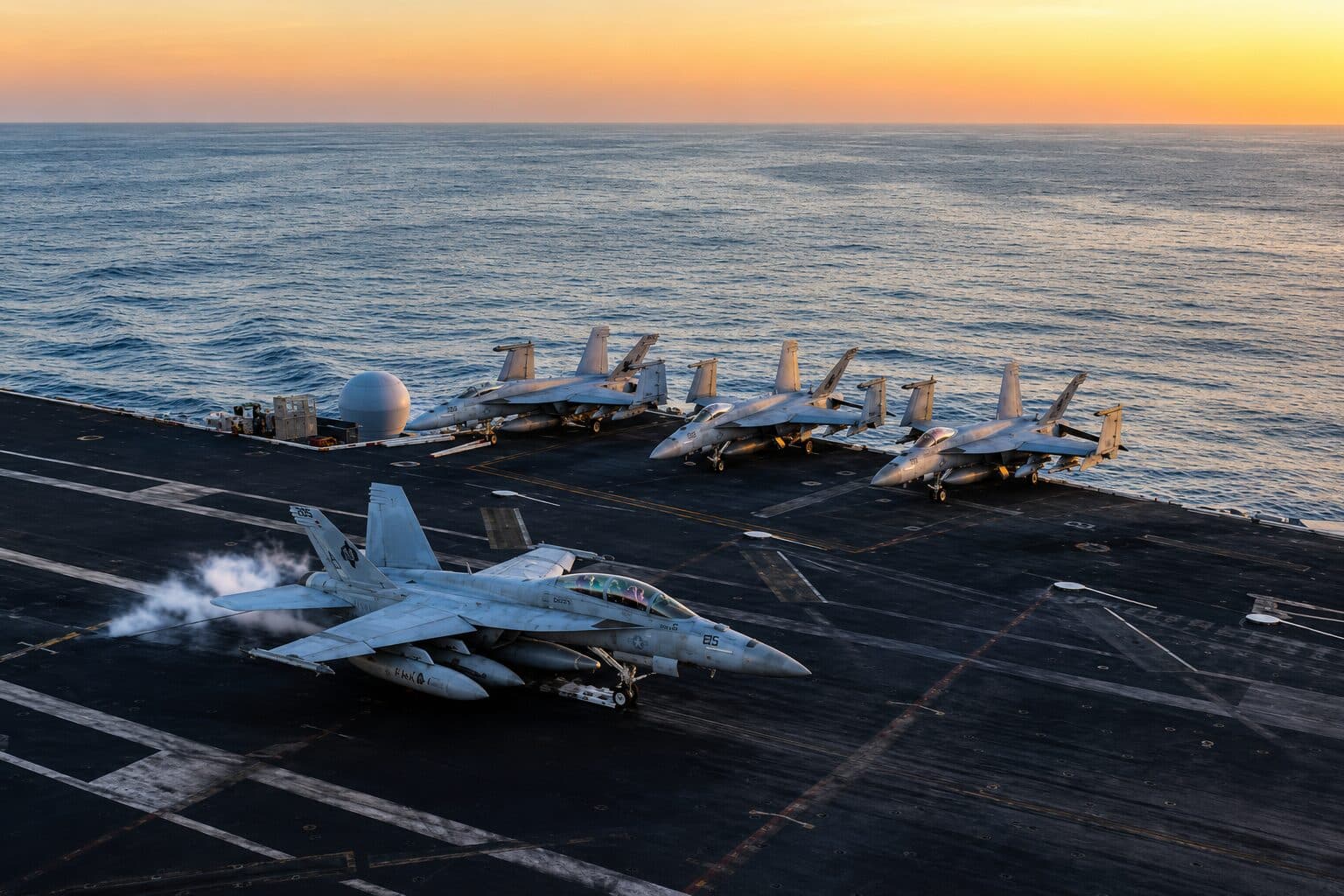
Photo: Illustrative
Iran Shifts Tactics to Step Up Attacks on Shipping Before the US Midterm Vote
Two senior Iranian officials say Tehran is using new tactics against ships sailing through the Strait of Hormuz, aiming to keep oil prices high and influence the US midterm elections. Iran has tried to control the waterway since the US and Israel launched strikes on February 28, restricting passage through a route that carried about a fifth of global oil and liquefied natural gas trade before the war. One official said the new approach began about 10 days ago and changes both the type and pace of attacks on vessels Iran considers in violation of its rules. The decision was taken at the top of Iran's leadership. "The aim is to frustrate efforts by the United States and its allies to bring down global oil prices," one official said, calling the contest a game of chess.
.jpeg)
Two senior Iranian officials say Tehran is using new tactics against ships sailing through the Strait of Hormuz, aiming to keep oil prices high and influence the US midterm elections. Iran has tried to control the waterway since the US and Israel launched strikes on February 28, restricting passage through a route that carried about a fifth of global oil and liquefied natural gas trade before the war. One official said the new approach began about 10 days ago and changes both the type and pace of attacks on vessels Iran considers in violation of its rules. The decision was taken at the top of Iran’s leadership. “The aim is to frustrate efforts by the United States and its allies to bring down global oil prices,” one official said, calling the contest a game of chess.
Spotters, Drone Strikes and Rising Attack Levels
A US military official confirmed one major change. After the US destroyed much of Iran’s radar capability, the Revolutionary Guard began using unarmed spotters in small boats to identify targets, including US naval vessels. Last week, US forces confronted a dhow used this way, told its crew to leave and destroyed it, with no casualties.
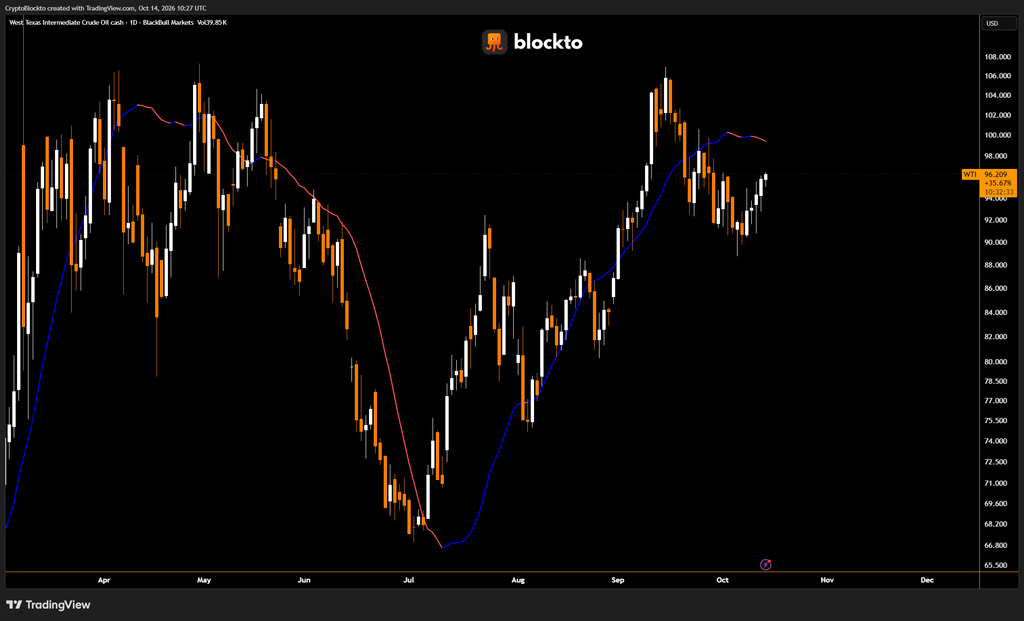
Iran has not been able to stop a ramp up in oil exports through the strait. Independent data shows attacks at their highest level since the war began, with at least five incidents in 48 hours, including drone strikes. Tehran also plans to widen operations to the Gulf of Oman, and ships off Qatar and the UAE have already been hit.Trump and Netanyahu has pushed WTI back above $95.
US Response and Election Pressure
The war, costing about $3 billion a month, has become a key campaign issue. President Donald Trump says he will not strike again before the vote, while the US presses its naval blockade of Iranian ports and extends sanctions. The US Navy led Joint Maritime Information Center still rates the threat to shipping as severe, its second highest level.
Live market reaction
Disclaimer
This content is for informational purposes only and does not constitute financial, investment, or legal advice. Cryptocurrency trading involves risk and may result in financial loss.
Start trading
with BloFin today
Up to $500 sign-up bonus and zero-fee trading on your first 30 days.
Buy crypto nowⓘ You will be redirected to BloFin
About the author
Emerging voice in crypto journalism with a background in fintech and digital economics. Covers DeFi, NFTs, and the evolving regulatory landscape.

 Guylian ·


 Laurisa ·