

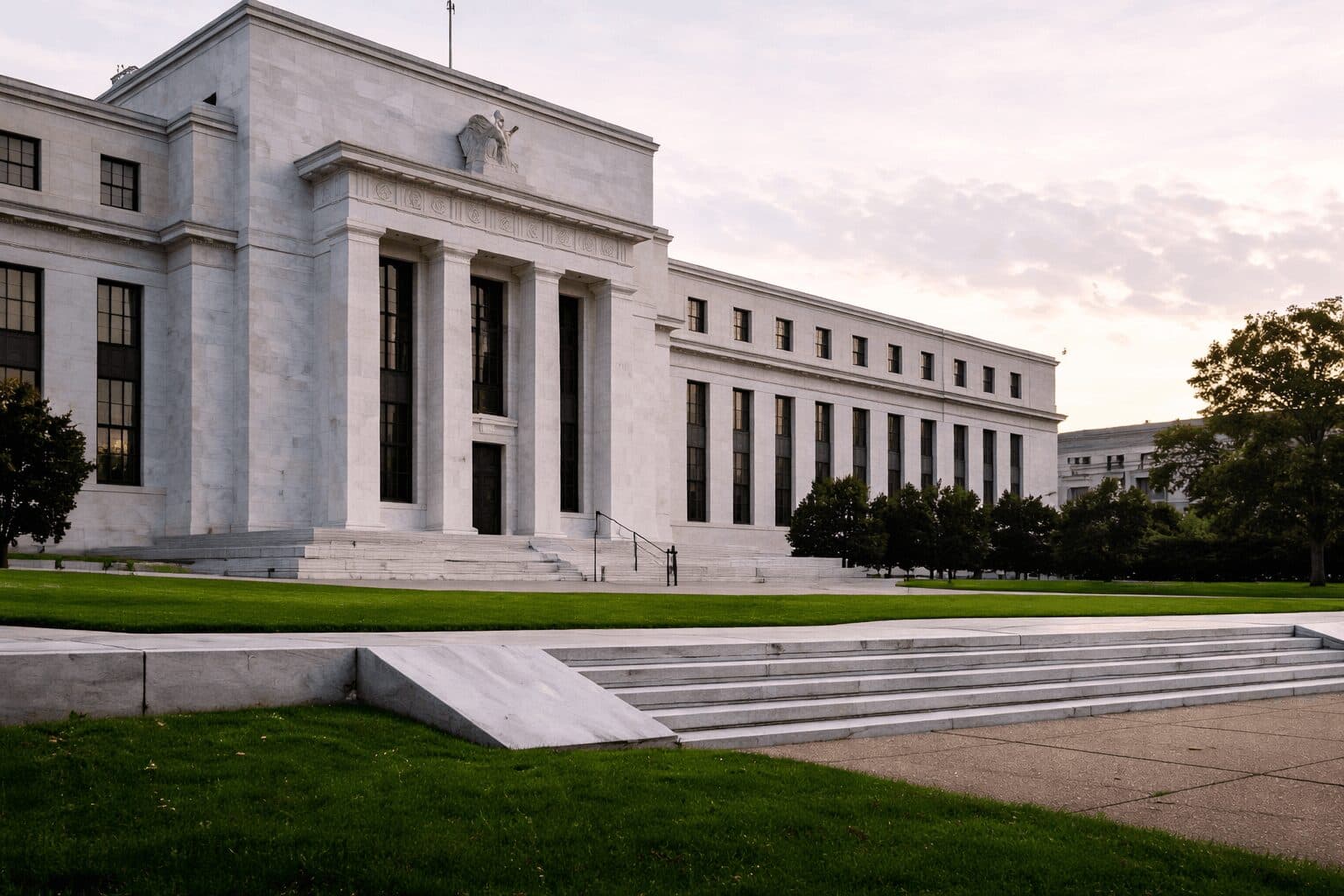
Photo: Illustrative
Major US Banks Launch Tokenized Deposits to Compete With Stablecoins
Some of the largest U.S. banks, including JPMorgan Chase, Bank of America and Citigroup, are planning to introduce a shared tokenized deposit network through The Clearing House by the first half of 2027. The project aims to bring traditional bank deposits onto blockchain infrastructure, allowing funds to move 24 hours a day with faster settlement and lower transaction friction.

Some of the largest U.S. banks, including JPMorgan Chase, Bank of America and Citigroup, are planning to introduce a shared tokenized deposit network through The Clearing House by the first half of 2027. The project aims to bring traditional bank deposits onto blockchain infrastructure, allowing funds to move 24 hours a day with faster settlement and lower transaction friction.
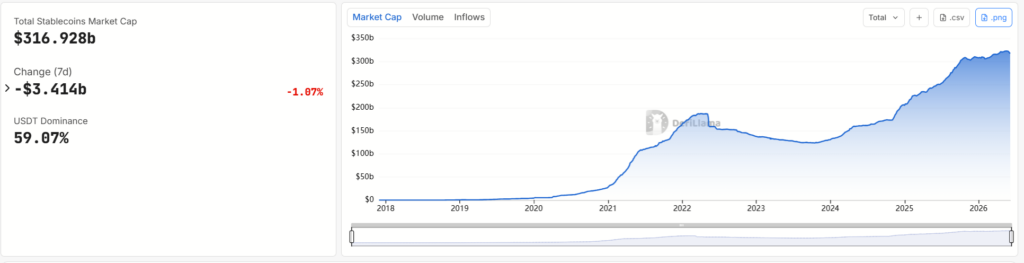
The initiative comes as stablecoins such as USDC and USDT continue gaining popularity in payments, trading and digital finance.
Why Banks Are Concerned About Stablecoins
Banks are increasingly worried that customers could move money from traditional accounts into stablecoins if digital dollar tokens become more widely used. According to a March report from Jefferies, stablecoins could lead to a 3% to 5% decline in core bank deposits over the next five years and reduce average bank earnings by around 3%.
Tokenized deposits are designed to address that risk by keeping customer funds within the regulated banking system while providing blockchain based efficiency.
Faster Payments Without Leaving the Banking System
Unlike stablecoins, tokenized deposits represent bank-held funds. Customers can benefit from near-instant transfers and round the clock settlement without moving money into crypto wallets.
Competition for the Future of Digital Money
Industry experts say competition is growing between stablecoins, tokenized deposits and tokenized money market funds to become the preferred form of on-chain cash. While stablecoins operate on public blockchain networks, banks are building controlled systems that meet existing compliance and regulatory requirements.
The launch of this network highlights a broader trend: traditional financial institutions are increasingly adopting blockchain technology while competing directly with crypto-native payment solutions.
Live market reaction
Disclaimer
This content is for informational purposes only and does not constitute financial, investment, or legal advice. Cryptocurrency trading involves risk and may result in financial loss.
Start trading
with BloFin today
Up to $500 sign-up bonus and zero-fee trading on your first 30 days.
Buy crypto nowⓘ You will be redirected to BloFin
About the author
8+ years covering crypto markets, macro, and geopolitics. Previously at Decrypt and CoinDesk. Focused on the intersection of digital assets and traditional finance.

 Guylian ·

.jpeg&w=32&q=75) Laurisa ·
Laurisa ·