


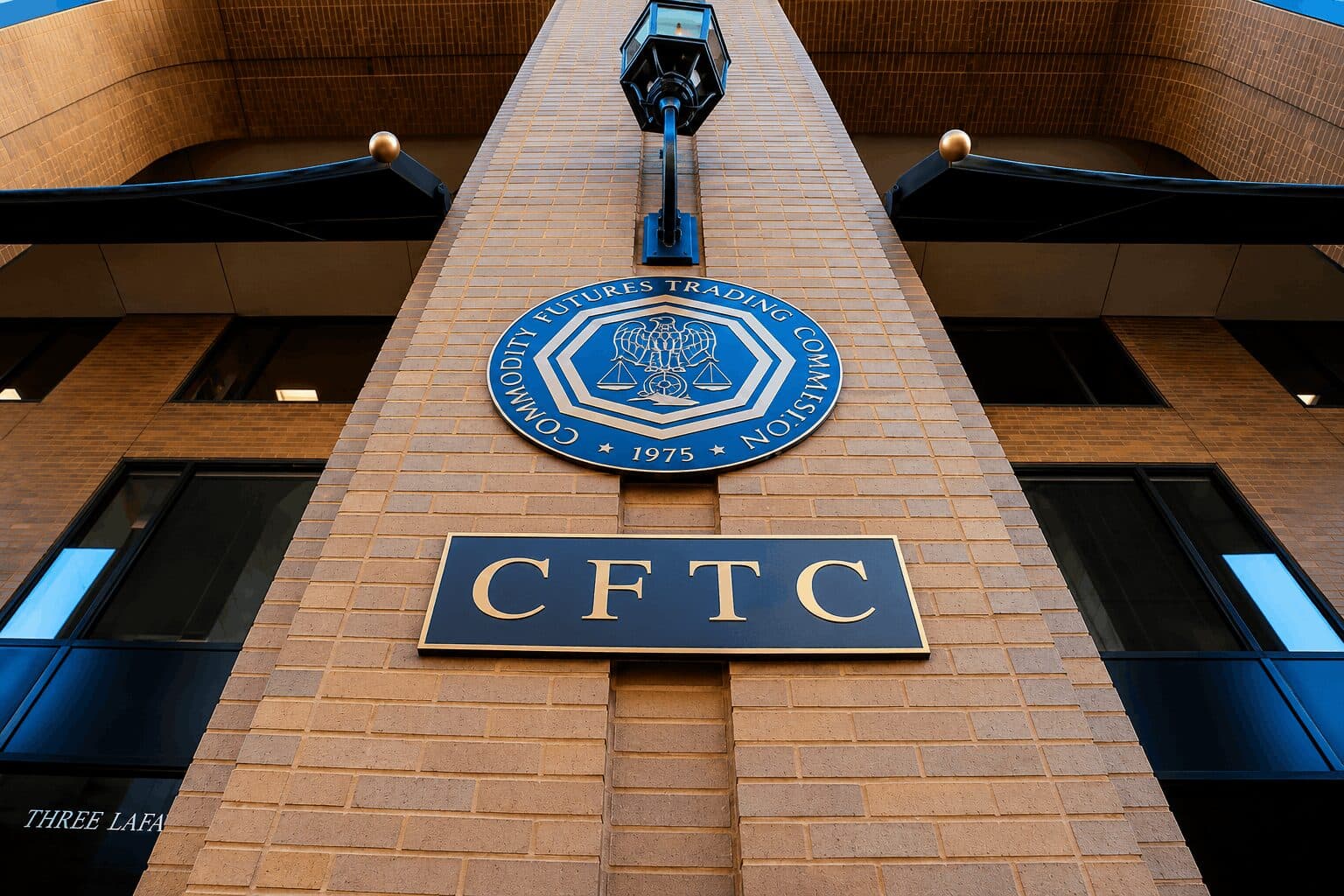
Photo: Illustrative
Nasdaq Tokenized Stocks Approval Signals Shift Toward Blockchain-Based Trading
The U.S. Securities and Exchange Commission has approved a framework by Nasdaq to enable trading of tokenized stocks and ETFs using blockchain infrastructure. The move marks a significant step toward integrating blockchain technology into traditional equity markets while maintaining existing financial structures.

The U.S. Securities and Exchange Commission has approved a framework by Nasdaq to enable trading of tokenized stocks and ETFs using blockchain infrastructure. The move marks a significant step toward integrating blockchain technology into traditional equity markets while maintaining existing financial structures.
Tokenized Equities Bring 24/7 Trading Potential
Under the approved model, selected securities can be issued and settled as blockchain-based tokens alongside conventional shares. Investors may gain the ability to hold tokenized equities in digital wallets, while settlement processes will continue through the Depository Trust & Clearing Corporation. This approach opens the door to faster settlement and the potential for continuous, around-the-clock trading, expanding access to global investors.
Traditional Financial Structure Remains Intact
Despite the technological shift, the framework preserves the role of intermediaries such as brokers and centralized clearing systems. Blockchain is primarily used to enhance record keeping and efficiency rather than replace core market infrastructure. Industry observers note that this limits the broader transformation often associated with decentralized finance models.
Global Competition Highlights Regulatory Gap
While the development reflects progress in the United States, other regions have moved faster in adopting more flexible tokenization frameworks. Markets in jurisdictions like El Salvador and Kazakhstan already support blockchain-native securities with fewer restrictions, offering direct access and real-time settlement. The latest approval signals growing momentum but underscores that the evolution of tokenized equities will remain closely tied to established financial systems.
Disclaimer
This content is for informational purposes only and does not constitute financial, investment, or legal advice. Cryptocurrency trading involves risk and may result in financial loss.
Live market reaction
Disclaimer
This content is for informational purposes only and does not constitute financial, investment, or legal advice. Cryptocurrency trading involves risk and may result in financial loss.
Start trading
with BloFin today
Up to $500 sign-up bonus and zero-fee trading on your first 30 days.
Buy crypto nowⓘ You will be redirected to BloFin
About the author
8+ years covering crypto markets, macro, and geopolitics. Previously at Decrypt and CoinDesk. Focused on the intersection of digital assets and traditional finance.

.jpeg&w=32&q=75) Laurisa ·
Laurisa · 
 Tristan R. ·