


Photo: Illustrative
Nigeria Rolls Out New Tax Collection Rules for Crypto Exchanges and P2P Platforms
Nigeria's tax authority has published new guidelines requiring cryptocurrency exchanges and peer to peer marketplaces to collect, report and remit taxes on digital asset transactions. The rules specify that certain withheld amounts, including income tax deducted at source and stamp duty, must be paid back to the agency in the same token used in the original transaction, while value-added tax must be remitted in the currency used for payment.

Nigeria’s tax authority has published new guidelines requiring cryptocurrency exchanges and peer to peer marketplaces to collect, report and remit taxes on digital asset transactions. The rules specify that certain withheld amounts, including income tax deducted at source and stamp duty, must be paid back to the agency in the same token used in the original transaction, while value-added tax must be remitted in the currency used for payment.
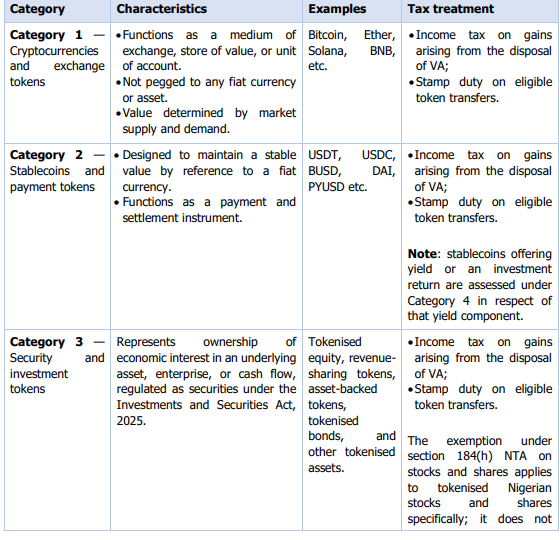
Withholding Rates Vary by Transaction Type
Platforms are now required to withhold 1% on proceeds from taxable crypto disposals, security tokens and eligible NFTs. A higher 10% withholding rate applies to income from staking, mining, airdrops and decentralized finance activity, while converting between tokens and fiat currency triggers a 1.5% stamp duty. These withheld amounts count as advance payments toward a taxpayer’s final tax bill, with individuals taxed on a progressive scale and larger companies facing a 30% rate. Notably, stablecoin sales are excluded from the 1% withholding requirement.
Part of a Broader Regulatory Push
These guidelines follow an executive order from President Bola Tinubu that created a Virtual Asset Council led by the central bank, with the tax agency and securities regulator serving as vice chairs. The framework builds on Nigeria’s wider tax overhaul that took effect January 1, which classifies digital assets as chargeable assets and requires platforms to report customer details, including names, contact information and tax identification numbers.
From Flat Rate to Detailed Framework
Nigeria first taxed crypto gains through a flat 10% capital gains rate introduced in 2023. The new rules replace that simpler approach with detailed guidance on how gains are valued, withheld, remitted and reconciled going forward.
Live market reaction
Disclaimer
This content is for informational purposes only and does not constitute financial, investment, or legal advice. Cryptocurrency trading involves risk and may result in financial loss.
Start trading
with BloFin today
Up to $500 sign-up bonus and zero-fee trading on your first 30 days.
Buy crypto nowⓘ You will be redirected to BloFin
About the author
8+ years covering crypto markets, macro, and geopolitics. Previously at Decrypt and CoinDesk. Focused on the intersection of digital assets and traditional finance.

.jpeg&w=32&q=75) Laurisa ·
Laurisa ·