
Photo: Illustrative
North Korean Hackers Moved Millions Through Hyperliquid Amid US Regulatory Push
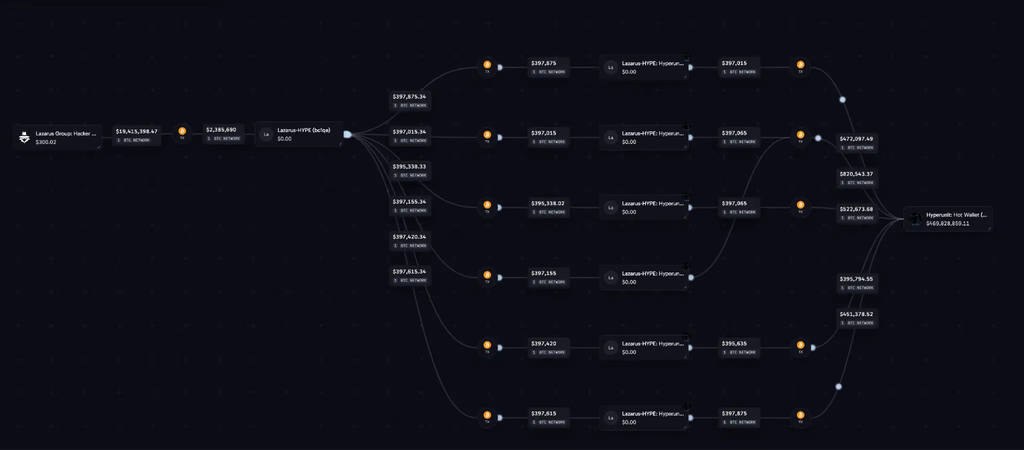
Blockchain data reveals that wallets connected to North Korea's state sponsored hacking group, Lazarus, sold more than $30 million in bitcoin through decentralized trading platform Hyperliquid over the past three weeks. The transactions were identified through blockchain analytics reviewing wallet activity linked to the group.

Blockchain data reveals that wallets connected to North Korea’s state sponsored hacking group, Lazarus, sold more than $30 million in bitcoin through decentralized trading platform Hyperliquid over the past three weeks. The transactions were identified through blockchain analytics reviewing wallet activity linked to the group.
Funds Moved Across Multiple Exchanges
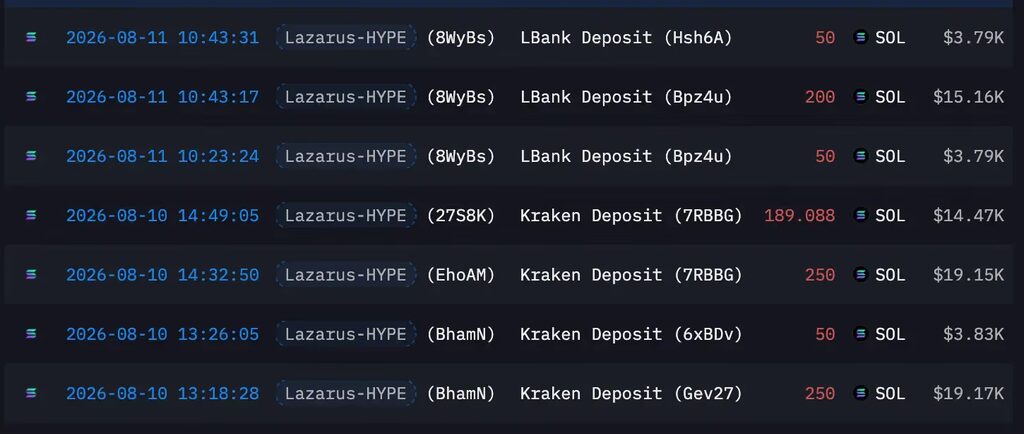
According to the data, proceeds from the bitcoin sales were used to purchase ether and solana, which were then transferred to other cryptocurrency exchanges. The identities of the account holders receiving these funds have not yet been confirmed, and it remains unclear whether the receiving platforms were aware of the funds’ origin. Representatives from the exchanges involved stated that they maintain compliance systems designed to detect and block sanctioned wallet activity, though they acknowledged that tracking such funds across multiple platforms remains an industry-wide challenge.
Activity Comes as US Seeks to Bring Hyperliquid Onshore
This development comes as the Trump administration explores pathways to integrate Hyperliquid into the regulated U.S. financial system. Officials have indicated that regulatory discussions are underway to bring the platform into compliance with U.S. derivatives and financial oversight rules, as part of a broader effort to strengthen America’s position in the global crypto industry.
Hyperliquid’s Rapid Growth Draws Regulatory Attention
Hyperliquid has become the leading decentralized platform for perpetual futures trading, allowing users to trade directly from crypto wallets without traditional brokerage accounts or standard identity verification. The platform has processed trillions of dollars in cumulative trading volume, drawing comparisons to major traditional exchanges in terms of trading activity. Its rapid rise has also raised concerns among traditional financial exchanges, which have urged regulators to examine the platform’s potential vulnerabilities related to market manipulation and sanctions evasion.
Broader Implications for Crypto Oversight
The reported use of Hyperliquid by sanctioned actors highlights ongoing challenges regulators face in monitoring decentralized platforms that allow direct wallet based trading without traditional compliance checkpoints, even as U.S. officials work toward formally incorporating such platforms into the regulated financial system.
Live market reaction
Disclaimer
This content is for informational purposes only and does not constitute financial, investment, or legal advice. Cryptocurrency trading involves risk and may result in financial loss.
Start trading
with BloFin today
Up to $500 sign-up bonus and zero-fee trading on your first 30 days.
Buy crypto nowⓘ You will be redirected to BloFin
About the author
Covers Bitcoin, on-chain data and market structure. Breaks down what the charts and wallet flows are actually saying, without the hype.

 Guylian ·

.jpeg&w=32&q=75) Laurisa ·
Laurisa ·