

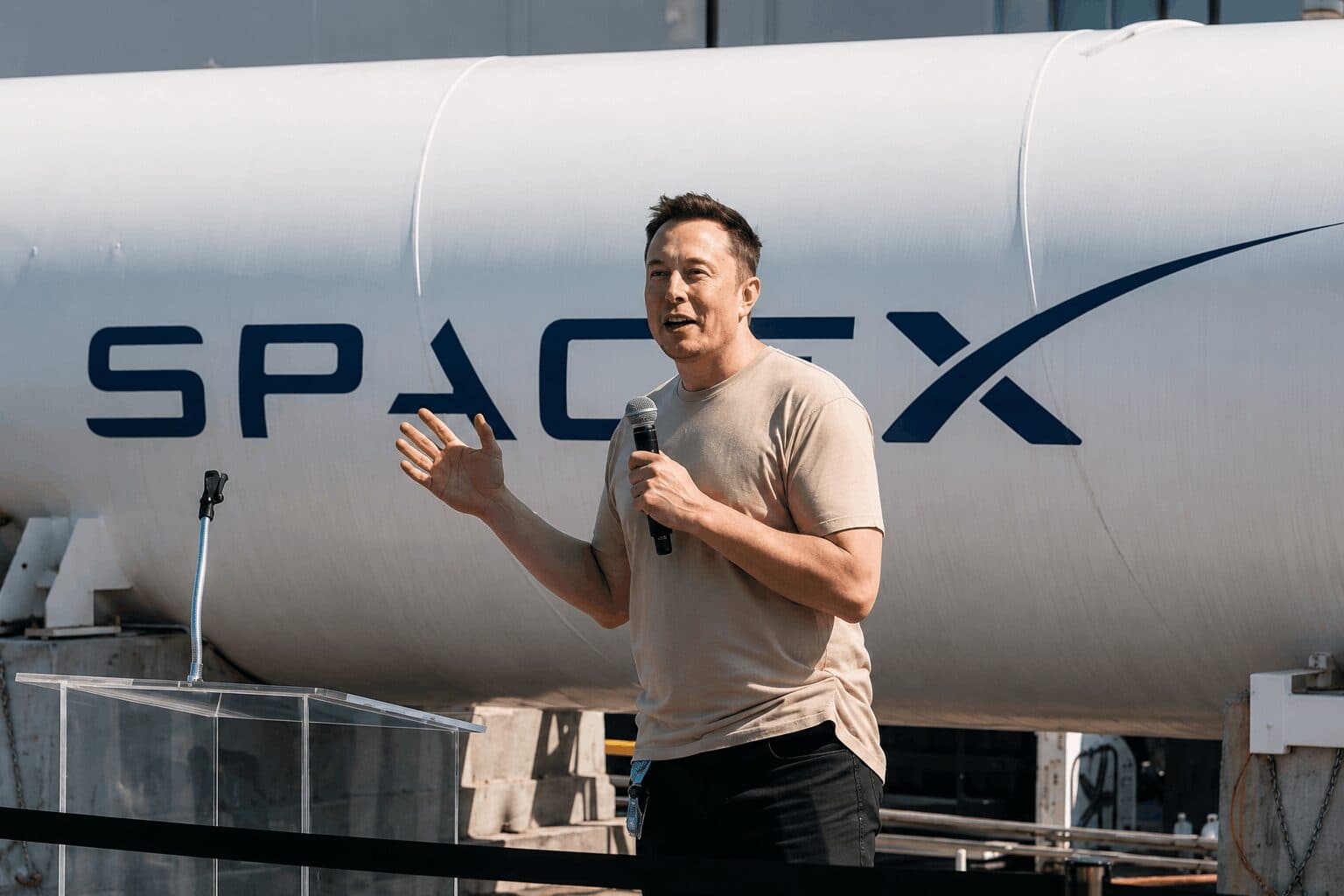
Photo: Illustrative
SpaceX IPO Demand Exposes Key Challenge for Tokenized Stocks
The highly anticipated SpaceX IPO created massive excitement among retail investors, but it also highlighted an important reality about tokenized stocks: creating digital tokens is easy, securing the actual shares behind them is much harder.
.jpeg)
The highly anticipated SpaceX IPO created massive excitement among retail investors, but it also highlighted an important reality about tokenized stocks: creating digital tokens is easy, securing the actual shares behind them is much harder.
Crypto Platforms Unable to Deliver SpaceX Shares
Several major crypto platforms, including Binance Wallet, Bybit and Bitget, promoted pre-IPO access to SpaceX through tokenized shares powered by xStocks. However, all three platforms later canceled their offerings and refunded customers after failing to obtain the promised shares.
Bybit informed users that no SpaceX allocations were received because the underlying assets could not be delivered. The issue was not related to blockchain technology or tokenization itself, but rather the inability to secure enough real SpaceX stock.
Overwhelming Demand Crushed Available Supply
SpaceX’s IPO quickly became one of the most sought-after public offerings in recent years. The company aimed to raise $75 billion and initially planned to reserve about 30% of shares for retail investors.
Demand far exceeded expectations. Reports indicated retail orders surpassed $100 billion, forcing underwriters to reduce the retail allocation to the low-20% range before pricing.
According to a person familiar with the matter, xStocks and its distribution partners collected more than $1 billion in customer orders. However, when final allocations were distributed, many requests went unfilled.
Even Traditional Investors Faced Shortfalls
The shortage was not limited to crypto platforms. Many retail investors using traditional brokerages also received only partial allocations of the shares they requested.
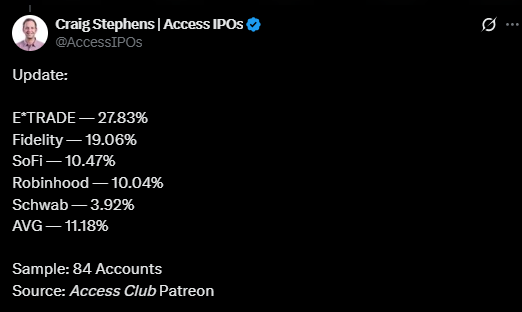
While Binance Wallet, Bybit and Bitget received no allocations, some customers of Kraken and xStocks obtained only a fraction of their requested shares.
Tokenization Was Not the Problem
Industry participants stressed that the technology worked as intended. The real challenge was obtaining enough shares to back the tokens.
A spokesperson for tokenization platform Dinari said that if the underlying stock cannot be sourced, allocated and held within the required regulatory framework, there is ultimately no asset available to tokenize.
Despite the allocation issues, tokenized SpaceX shares launched after the IPO under the ticker SPCXx. Around $24 million worth of tokenized shares were circulating on-chain shortly after launch. Other firms, including Ondo Finance and Dinari, also introduced tokenized SpaceX products following the company’s market debut.
Important Lesson for Tokenized Assets
The SpaceX IPO serves as a reminder that tokenized assets remain tied to traditional financial markets. Blockchain can make ownership more accessible and efficient, but it cannot create shares that do not exist.
The episode ultimately highlighted a supply problem rather than a technology failure. Strong investor demand, reduced retail allocations and limited share availability left many investors empty-handed, showing that access to the underlying asset remains the most important part of any tokenized stock offering.
Live market reaction
Disclaimer
This content is for informational purposes only and does not constitute financial, investment, or legal advice. Cryptocurrency trading involves risk and may result in financial loss.
Start trading
with BloFin today
Up to $500 sign-up bonus and zero-fee trading on your first 30 days.
Buy crypto nowⓘ You will be redirected to BloFin
About the author
Emerging voice in crypto journalism with a background in fintech and digital economics. Covers DeFi, NFTs, and the evolving regulatory landscape.

.jpeg&w=32&q=75) Laurisa ·
Laurisa ·