


Photo: Illustrative
Tether’s USDT Faces Two-Year Clock to Meet US Rules or Risk Losing Market Access
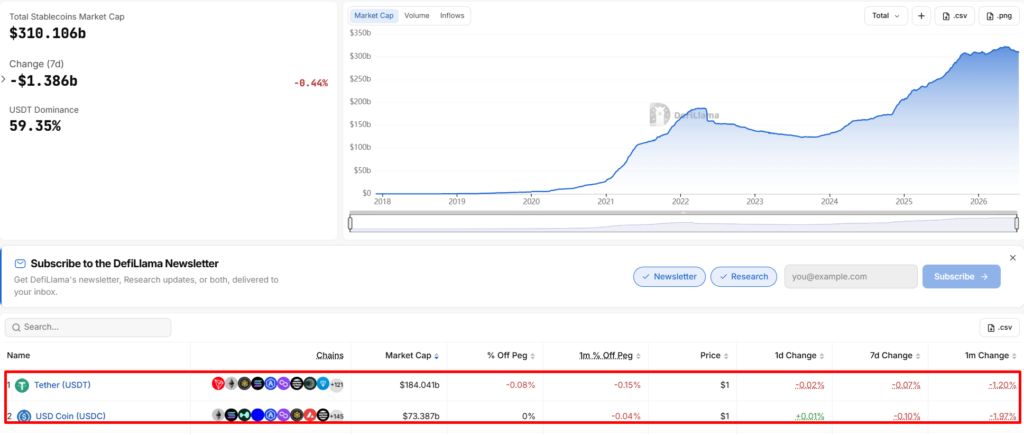
A year has now passed since the federal law governing US stablecoins was signed, yet regulators still haven't finished writing the rules needed to enforce it. That gap leaves Tether, the company behind the world's most widely used stablecoin, staring down a tightening window to get its coin in line with the new standards or risk being pushed off American trading platforms.
.jpeg)
A year has now passed since the federal law governing US stablecoins was signed, yet regulators still haven’t finished writing the rules needed to enforce it. That gap leaves Tether, the company behind the world’s most widely used stablecoin, staring down a tightening window to get its coin in line with the new standards or risk being pushed off American trading platforms.
USDT’s Reserves Don’t Yet Match What’s Required
Tether CEO Paolo Ardoino promised last year that USDT would meet the new law’s demands. So far, that promise hasn’t fully materialized. Recent disclosures show close to a quarter of USDT’s backing reserves sit in assets the law won’t accept, things like precious metals, lending positions and bitcoin. The rules call for reserves to be held almost entirely in cash and US Treasuries, nothing riskier. When asked recently for an update, Tether’s team, based in El Salvador, didn’t respond.
A Rival Moves Faster
Circle, Tether’s biggest US-based competitor, has been noticeably quicker to align with what’s coming. Tether did roll out a separate, US-focused token this year through banking partner Anchorage Digital, but adoption of that token has stayed fairly low. Anchorage’s policy head said he expects institutions to gradually shift toward compliant, bank-issued digital dollars well before any hard deadline forces the issue.
Nobody Fully Agrees on the Deadline
Here’s where things get murky. The law gives companies three years to get compliant, two of which remain. But lawyers can’t agree on whether foreign issuers like Tether get that same runway, or whether stricter rules kick in the moment the law takes full effect, likely by January. One attorney explained that foreign issuers will need to immediately honor freeze and seizure orders once the law goes live, but get roughly two more years to handle the heavier requirements, like registering with the national bank regulator, before their coins risk losing eligibility on US exchanges. Regulatory footnotes seem to back up this two-track reading, though nothing is locked in yet since the actual rules aren’t finished.
What Happens Next Is Still Unclear
With no final regulations on the books, companies technically have nothing concrete to comply with just yet. Industry watchers expect smaller platforms to play it safe and drop noncompliant coins early. Larger players with deep legal resources, though, may choose to keep operating as-is and fight any pressure to delist, a pattern that’s played out before whenever crypto companies have run into regulatory roadblocks.
Live market reaction
Disclaimer
This content is for informational purposes only and does not constitute financial, investment, or legal advice. Cryptocurrency trading involves risk and may result in financial loss.
Start trading
with BloFin today
Up to $500 sign-up bonus and zero-fee trading on your first 30 days.
Buy crypto nowⓘ You will be redirected to BloFin
About the author
Emerging voice in crypto journalism with a background in fintech and digital economics. Covers DeFi, NFTs, and the evolving regulatory landscape.

.jpeg&w=32&q=75) Laurisa ·
Laurisa · 
 Tristan R. ·