

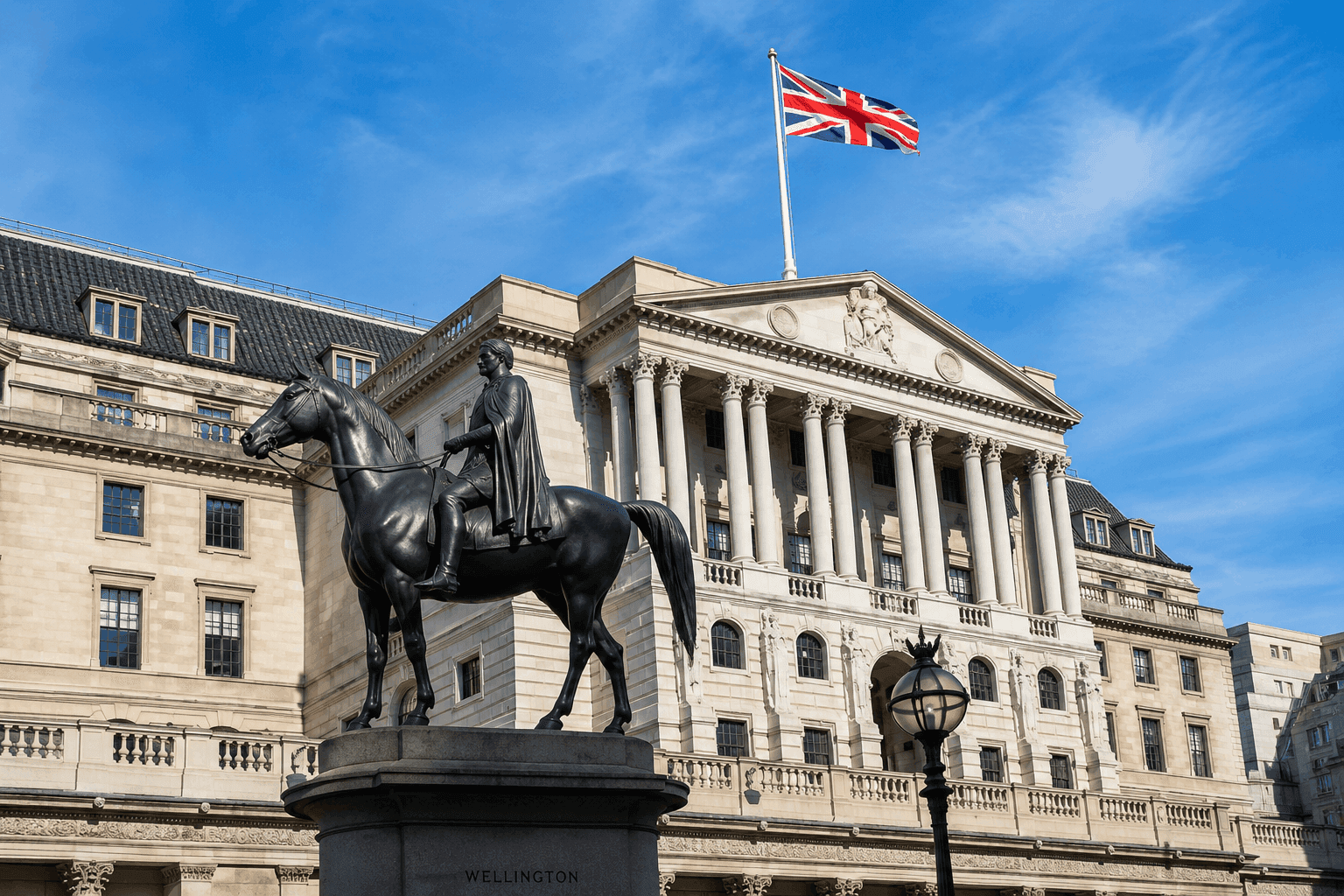
Photo: Illustrative
Three Central Banks Test Synchronized Cross-Border Currency Settlement Across Old and New Systems
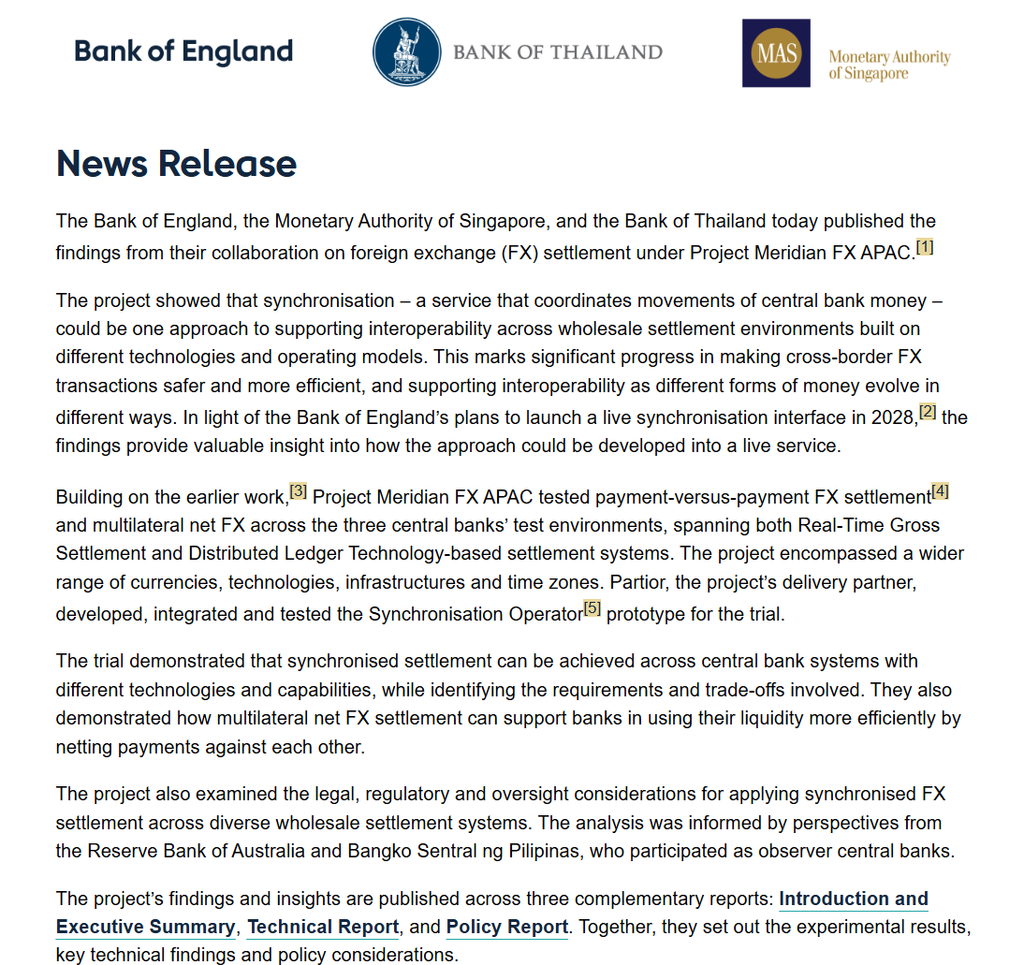
The Bank of England, the Monetary Authority of Singapore and the Bank of Thailand announced Friday that they have shown a way to link foreign exchange payments across traditional settlement networks and blockchain-based ones. The key point is that institutions would not need to switch to identical technology for the system to work. The trial aims to fix long-standing weak spots in how money moves between countries, at a time when stablecoins are emerging as a faster alternative.

The Bank of England, the Monetary Authority of Singapore and the Bank of Thailand announced Friday that they have shown a way to link foreign exchange payments across traditional settlement networks and blockchain-based ones. The key point is that institutions would not need to switch to identical technology for the system to work. The trial aims to fix long-standing weak spots in how money moves between countries, at a time when stablecoins are emerging as a faster alternative.
How Payment Versus Payment Works
One part of the test covered payment versus payment settlement, a method that makes sure one currency is handed over only when the matching payment in the other currency happens too. This removes the risk that one side pays and the other never does. The experiment also tried multilateral netting, where banks cancel out what they owe each other instead of settling every trade one at a time, which lowers the amount of cash they must keep ready.
Why Stablecoins Add Pressure
Stablecoins promise quicker transfers and round the clock availability, which puts pressure on older cross-border rails. Tom Mutton, the Bank of England’s executive director of payments, innovation and fintech, said the project gives practical evidence that synchronized settlement can cut risk and improve efficiency in foreign exchange deals.
Timeline and Remaining Work
The Bank of England plans to launch a live synchronization interface in 2028. Before anything can be used commercially, more work is needed on legal arrangements, regulatory oversight and wider participation from other institutions.
Live market reaction
Disclaimer
This content is for informational purposes only and does not constitute financial, investment, or legal advice. Cryptocurrency trading involves risk and may result in financial loss.
Start trading
with BloFin today
Up to $500 sign-up bonus and zero-fee trading on your first 30 days.
Buy crypto nowYou will be redirected to BloFin
About the author
Covers Bitcoin, on-chain data and market structure. Breaks down what the charts and wallet flows are actually saying, without the hype.

Air Force’s Cloud One Platform Reportedly Hit by Hackers, Putting Sensitive Military Data at Risk
 Guylian ·

Australia Imposes Counterterrorism Financing Sanctions on Two Men Over Iran Directed Arson Attacks
 Laurisa ·

Ethereum Developers Set Dec. 15 for Glamsterdam Hoodi Testnet Launch After Gas Pricing Delay
Guylian ·