
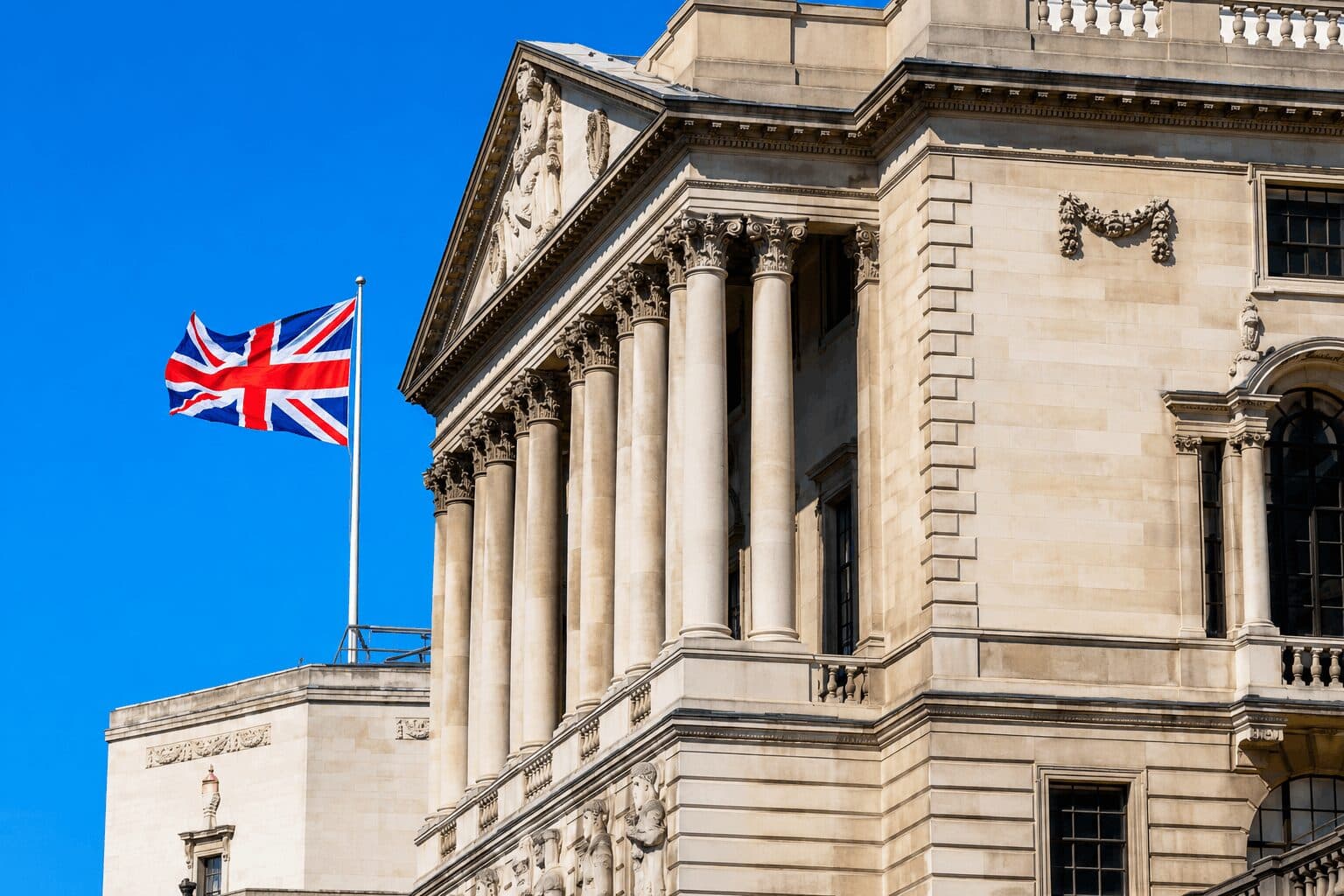
Photo: Illustrative
UK Finalizes Crypto Rules as FCA Sets February 2027 Licensing Deadline
The United Kingdom’s Financial Conduct Authority (FCA) has published its final crypto regulatory framework, completing a long running roadmap designed to bring digital asset companies under formal financial regulation.
.jpeg)
The United Kingdom’s Financial Conduct Authority (FCA) has published its final crypto regulatory framework, completing a long running roadmap designed to bring digital asset companies under formal financial regulation.
Under the new system, crypto firms must apply for FCA authorization between September 2026 and Feb. 28, 2027. The full regime will officially take effect on Oct. 25, 2027.
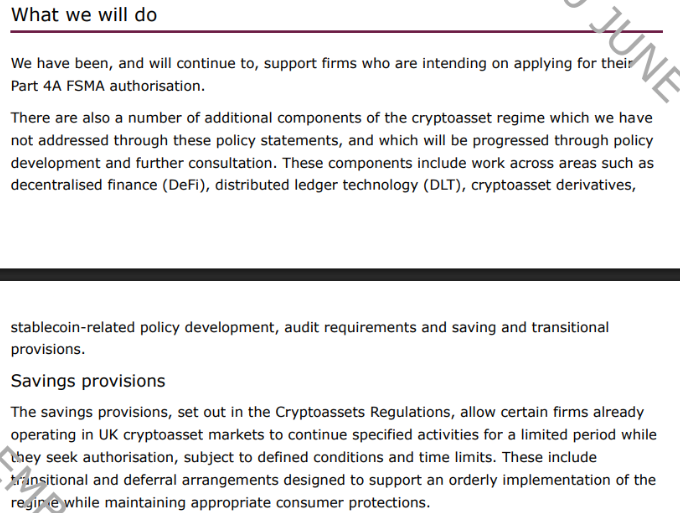
The rules apply to trading platforms, custodians, stablecoin issuers, staking providers and other crypto intermediaries operating in the UK. Existing firms registered under anti-money laundering regulations will not automatically receive approval and must submit fresh applications.
New Stablecoin and DeFi Rules
The FCA introduced updated stablecoin standards, including statutory trust protections for reserves, withdrawal rights for users and permission for issuers to hold a limited 5% excess in backing asset pools.
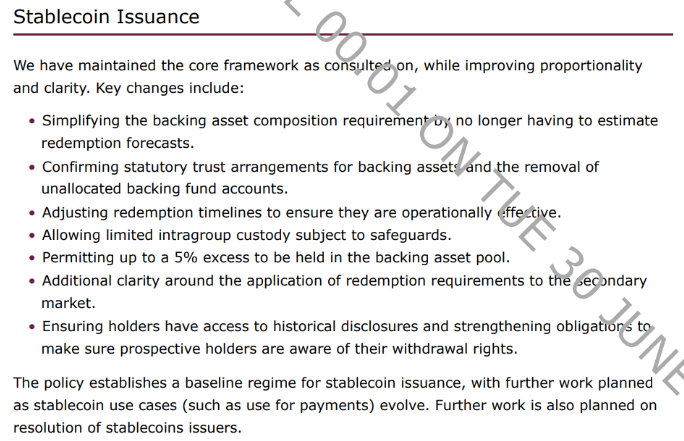
The regulator also confirmed future consultations on decentralized finance and operational resilience for firms using distributed ledger technology. FCA official Matthew Long said “true DeFi” without an identifiable operator may remain outside regulatory scope.
The regulator will hold a policy webinar on July 17 and release additional guidance in September.
Live market reaction
Disclaimer
This content is for informational purposes only and does not constitute financial, investment, or legal advice. Cryptocurrency trading involves risk and may result in financial loss.
Start trading
with BloFin today
Up to $500 sign-up bonus and zero-fee trading on your first 30 days.
Buy crypto nowⓘ You will be redirected to BloFin
About the author
Emerging voice in crypto journalism with a background in fintech and digital economics. Covers DeFi, NFTs, and the evolving regulatory landscape.

 Guylian ·

.jpeg&w=32&q=75) Laurisa ·
Laurisa ·