
Photo: Illustrative
US Senate Passes Bill With Four-Year Ban on Federal Reserve Digital Dollar
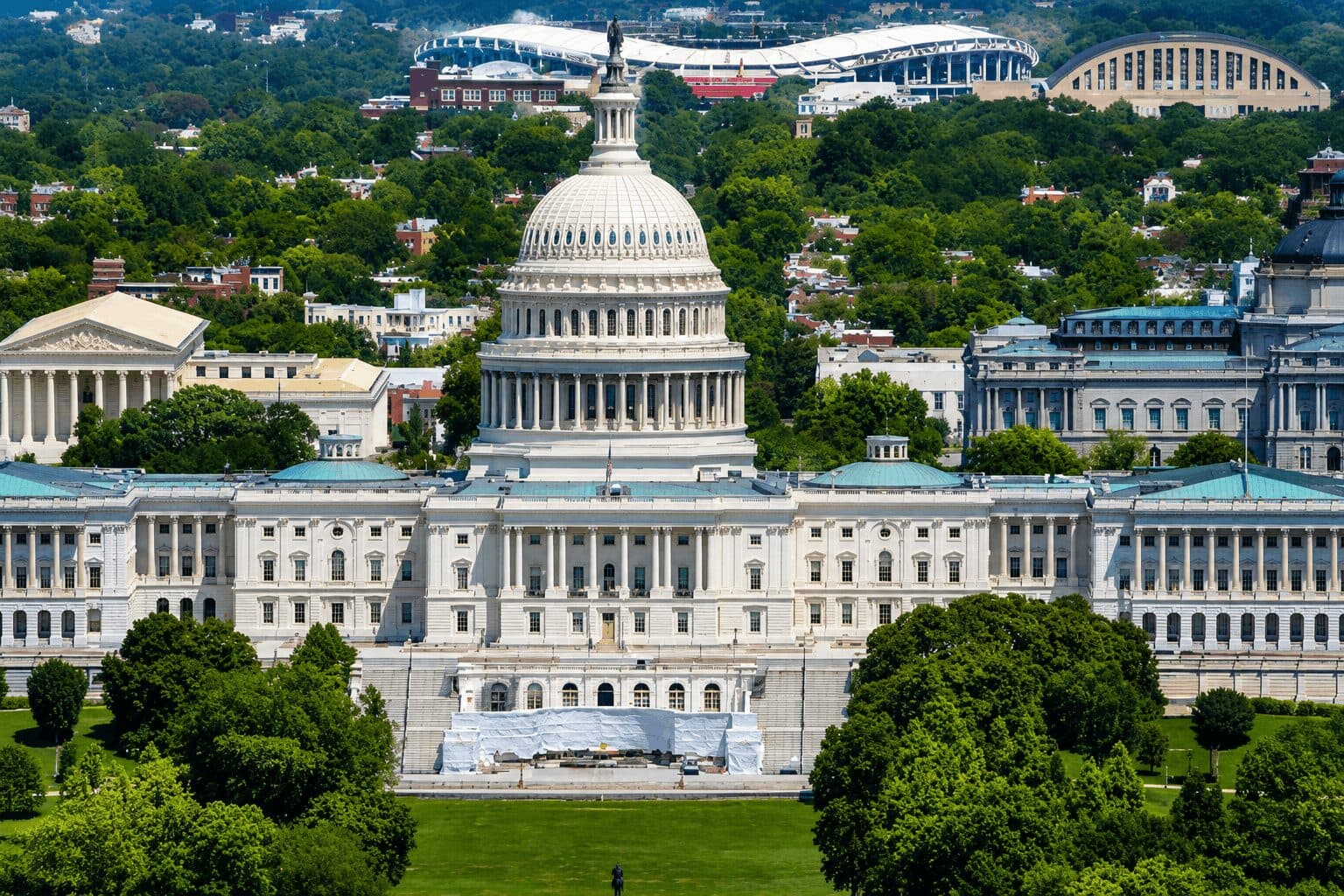
The US Senate has passed a bipartisan housing affordability bill that includes a temporary four year ban on the creation of a central bank digital currency (CBDC) in the United States. The legislation, known as the 21st Century ROAD to Housing Act, cleared the Senate with an 85-5 vote and now awaits action in the House of Representatives.

The US Senate has passed a bipartisan housing affordability bill that includes a temporary four year ban on the creation of a central bank digital currency (CBDC) in the United States. The legislation, known as the 21st Century ROAD to Housing Act, cleared the Senate with an 85-5 vote and now awaits action in the House of Representatives.
If approved by the House and signed by President Donald Trump, the measure would prevent the Federal Reserve and regional Federal Reserve banks from issuing or creating a digital dollar directly or indirectly through financial institutions until the end of 2030.
Republican Lawmakers Push Back Against Digital Dollar
Republican lawmakers have long opposed a US CBDC, arguing that a government backed digital currency could increase financial surveillance and expand federal control over personal transactions. Their concerns led to the CBDC provision being added to the housing bill despite the Federal Reserve not actively developing a digital dollar.
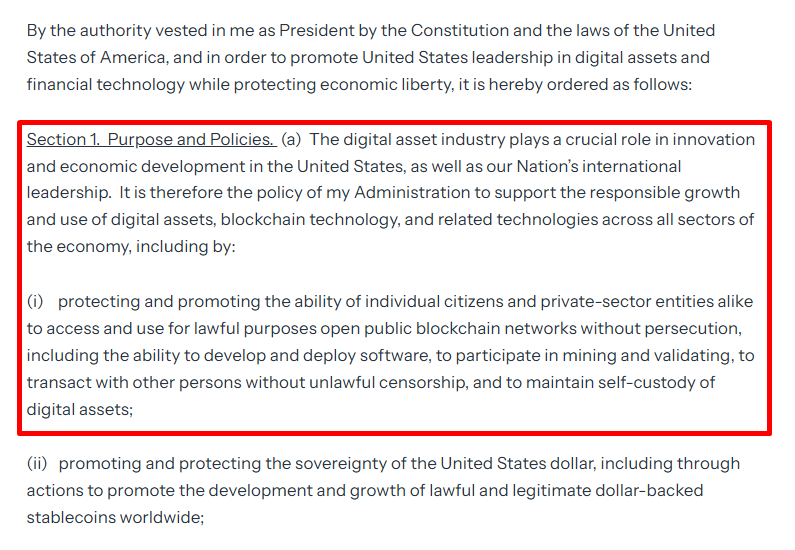
President Trump has also taken a firm stance against the concept. In January 2025, he signed an executive order prohibiting his administration from pursuing a CBDC, citing concerns about financial stability, privacy and US sovereignty.
Debate Continues as Other Nations Advance CBDC Plans
The debate comes as other major economies continue exploring central bank digital currencies. The European Central Bank is preparing a pilot program for a digital euro next year, while China has continued development of its digital yuan project.
Former Federal Reserve Chair Jerome Powell had previously said any potential US CBDC would likely operate through commercial banks rather than directly through the central bank. Current Fed Chair Kevin Warsh has openly opposed the idea, calling a digital dollar a poor policy choice during his confirmation process.
House lawmakers are expected to consider the bill soon. If it becomes law, the CBDC restriction would mark the first formal federal ban on a US central bank digital currency.
Live market reaction
Disclaimer
This content is for informational purposes only and does not constitute financial, investment, or legal advice. Cryptocurrency trading involves risk and may result in financial loss.
Start trading
with BloFin today
Up to $500 sign-up bonus and zero-fee trading on your first 30 days.
Buy crypto nowⓘ You will be redirected to BloFin
About the author
8+ years covering crypto markets, macro, and geopolitics. Previously at Decrypt and CoinDesk. Focused on the intersection of digital assets and traditional finance.
 Tristan R. ·
.jpeg&w=32&q=75) Laurisa ·
Laurisa ·