

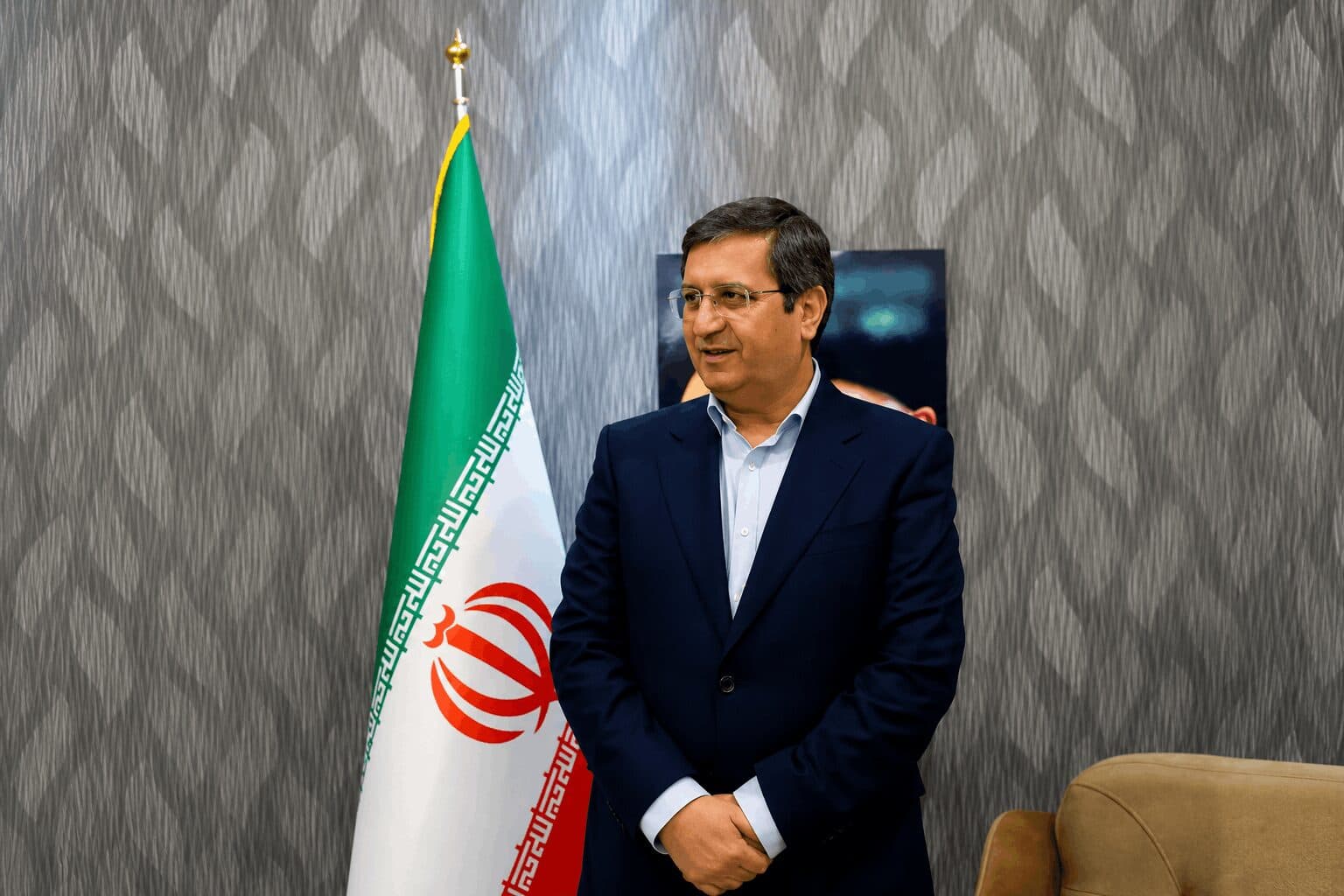
Photo: Illustrative
US Treasury Sanctions Iranian Firms Over Alleged Bitcoin-Based Sanctions Evasion
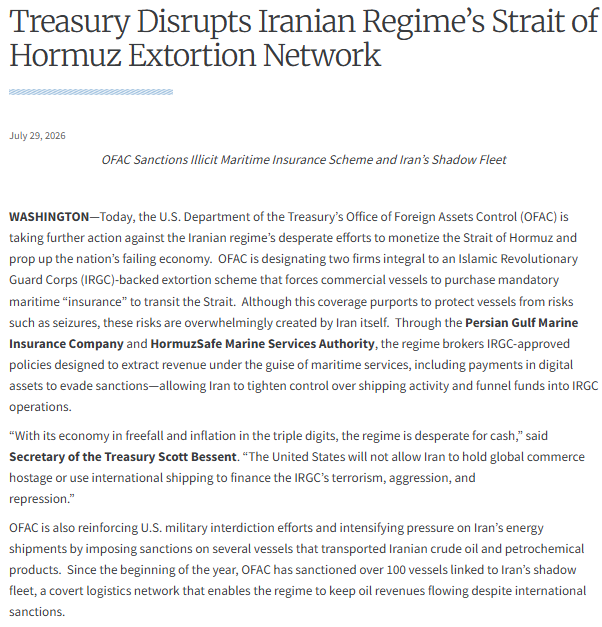
The US Treasury has sanctioned two Iranian maritime companies accused of operating an insurance network tied to Iran's Islamic Revolutionary Guard Corps, alleging one of the firms accepted Bitcoin and other cryptocurrencies to bypass Western sanctions.

The US Treasury has sanctioned two Iranian maritime companies accused of operating an insurance network tied to Iran’s Islamic Revolutionary Guard Corps, alleging one of the firms accepted Bitcoin and other cryptocurrencies to bypass Western sanctions.
Treasury Targets Maritime Insurance Network
According to the Treasury’s Office of Foreign Assets Control, Persian Gulf Marine Insurance Company and HormuzSafe Marine Services Authority were central to an IRGC-linked system requiring commercial vessels to purchase approved insurance before passing through the Strait of Hormuz. Officials said HormuzSafe specifically accepted Bitcoin and other digital assets as part of efforts to evade sanctions while generating revenue for the IRGC. Treasury Secretary Scott Bessent said the U.S. would not allow Iran to use global shipping routes to finance the organization.
From Reported Proposal to Formal Sanctions
Screenshots of the HormuzSafe website had circulated online in May, advertising digital insurance policies payable in Bitcoin for maritime cargo. At the time, reports suggested Iran was still evaluating the concept, with state-linked media indicating the platform could potentially generate significant revenue. The site was later found inaccessible before officials confirmed the sanctions action.
Broader Sanctions on Iran’s Shadow Fleet
Alongside the two insurance firms, Treasury sanctioned eight additional companies connected to Iran’s shadow shipping fleet and identified eight vessels as blocked property. The Strait of Hormuz handles roughly one-fifth of global oil trade, making any effort to control or monetize traffic through the waterway significant for international energy markets. Earlier reports had also suggested Iran accepted oil-related payments in stablecoins and Bitcoin, with U.S. authorities previously freezing hundreds of millions in Iran-linked stablecoin holdings.
Live market reaction
Disclaimer
This content is for informational purposes only and does not constitute financial, investment, or legal advice. Cryptocurrency trading involves risk and may result in financial loss.
Start trading
with BloFin today
Up to $500 sign-up bonus and zero-fee trading on your first 30 days.
Buy crypto nowⓘ You will be redirected to BloFin
About the author
8+ years covering crypto markets, macro, and geopolitics. Previously at Decrypt and CoinDesk. Focused on the intersection of digital assets and traditional finance.

.jpeg&w=32&q=75) Laurisa ·
Laurisa · 
 Tristan R. ·