

Photo: Illustrative
Vitalik Buterin Outlines Ethereum’s Transformation Into a Cryptographic World Computer by 2030
Ethereum co-founder Vitalik Buterin has laid out a sweeping vision for the network's future, describing a system by 2030 that would function very differently from today's blockchain while retaining that basic label. The plan centers on combining blockchain technology with cryptographic proofs and networks of computers working outside the main chain, fundamentally changing how much work Ethereum can handle and what users can verify independently.
.jpeg)
Ethereum co-founder Vitalik Buterin has laid out a sweeping vision for the network’s future, describing a system by 2030 that would function very differently from today’s blockchain while retaining that basic label. The plan centers on combining blockchain technology with cryptographic proofs and networks of computers working outside the main chain, fundamentally changing how much work Ethereum can handle and what users can verify independently.
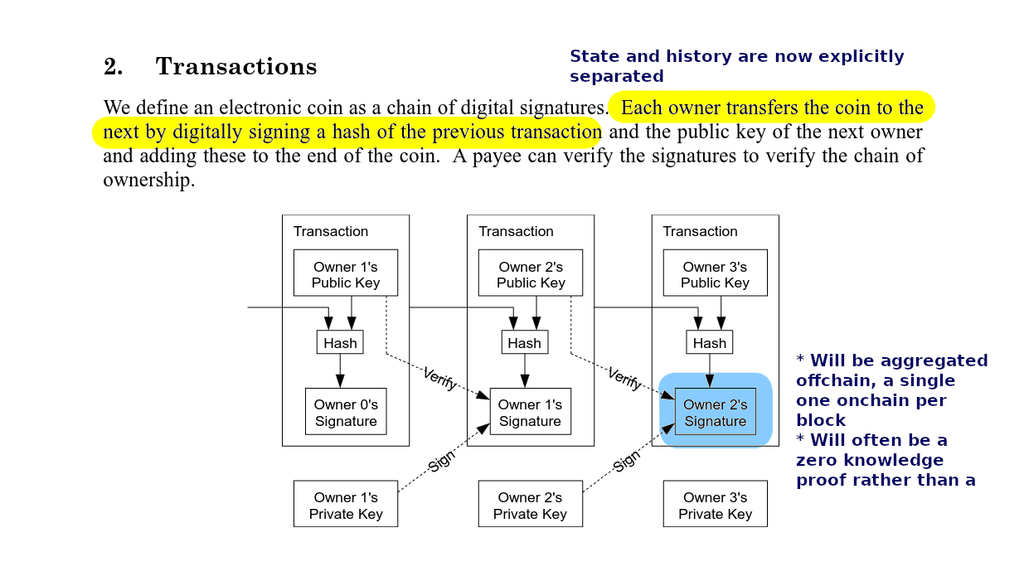
Breaking the Repetition Problem
Currently, every computer fully checking Ethereum repeats identical calculations to verify transactions, which keeps the network honest but limits scalability since adding more computers doesn’t automatically increase transaction capacity. Buterin argues that newer cryptographic tools can solve this by allowing computers to process transactions and produce mathematical proofs confirming they followed proper rules, letting other computers verify results much faster than repeating the original work entirely.
Privacy Improvements Extend Beyond Payments
Beyond scalability, Buterin’s vision addresses privacy concerns related to simply checking wallet balances, since outside servers can currently learn which accounts a person monitors even when payment details remain private. His plan aims to hide these balance-checking requests alongside transaction information. He identified the upcoming Hegotá upgrade as Ethereum’s last conventional fork, with subsequent updates relying increasingly on mathematical proofs and quantum resistant security measures.
Live market reaction
Disclaimer
This content is for informational purposes only and does not constitute financial, investment, or legal advice. Cryptocurrency trading involves risk and may result in financial loss.
Start trading
with BloFin today
Up to $500 sign-up bonus and zero-fee trading on your first 30 days.
Buy crypto nowⓘ You will be redirected to BloFin
About the author
Emerging voice in crypto journalism with a background in fintech and digital economics. Covers DeFi, NFTs, and the evolving regulatory landscape.

.jpeg&w=32&q=75) Laurisa ·
Laurisa · 
 Tristan R. ·