
Photo: Illustrative
Why Robert Kiyosaki Is $1.2 Billion in Debt on Purpose
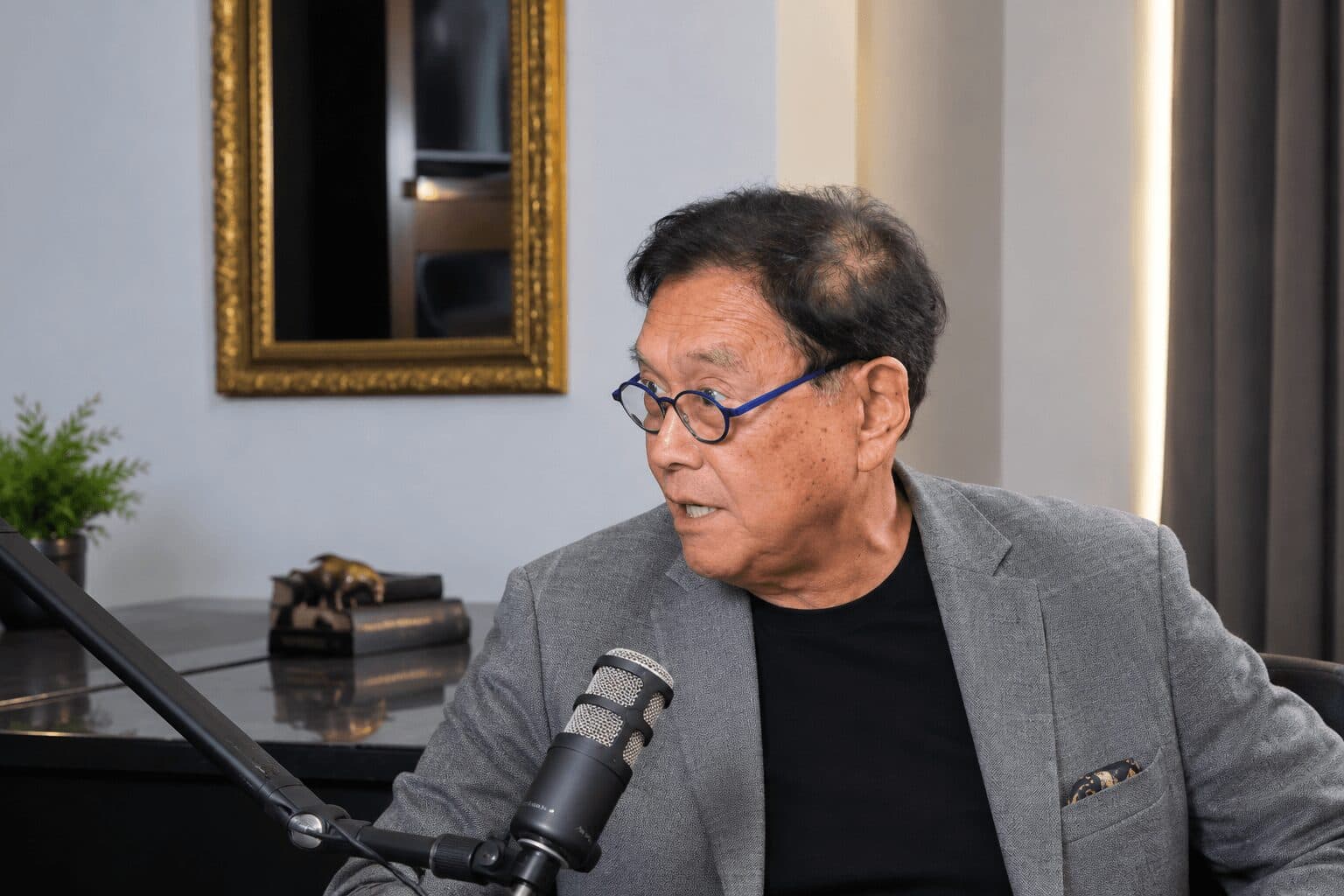
Robert Kiyosaki, author of the bestselling book "Rich Dad, Poor Dad," says his $1.2 billion in debt is a deliberate wealth-building strategy rather than a financial burden. His philosophy runs counter to conventional advice to live below one's means, arguing that savers lose out while debt used correctly can generate income.
.jpeg)
Robert Kiyosaki, author of the bestselling book “Rich Dad, Poor Dad,” says his $1.2 billion in debt is a deliberate wealth-building strategy rather than a financial burden. His philosophy runs counter to conventional advice to live below one’s means, arguing that savers lose out while debt used correctly can generate income.
Debt Structure Isn’t Personal, Ex-Wife Says
Kiyosaki’s ex wife and longtime business partner, Kim Kiyosaki, has said the $1.2 billion isn’t debt he personally owes. Instead, it reflects obligations held by a group of real estate investors across a portfolio of about 1,500 apartment units, structured in a way that limits each partner’s personal liability.
Financial Experts Say Context Matters
Wealth advisor Chris Galeski said the widely cited debt figure can be misleading, since it reflects a strategy that worked well during a specific, favorable period for real estate rather than a blueprint anyone can follow today. He noted that Kiyosaki built his portfolio over decades and benefited from years of historically low interest rates, conditions that look very different from today’s higher-rate, higher-price environment.
Defining “Good Debt” Versus “Bad Debt”
Kiyosaki distinguishes “good debt” as borrowing tied to income-generating assets, such as rental properties or dividend-paying investments, where the asset covers loan payments and produces extra cash flow. Real estate investor Brock Harris echoed this approach, saying the key test is whether someone else, such as a tenant, is paying down the debt.
Experts Caution Against Copying the Strategy Blindly
While Galeski isn’t fully aligned with a debt-free approach either, he emphasized that disciplined leverage, not reckless borrowing, is what separates a sound strategy from a risky one. He said cash flow from any investment needs to comfortably cover ownership costs, with enough of a financial cushion to withstand a downturn.
Live market reaction
Disclaimer
This content is for informational purposes only and does not constitute financial, investment, or legal advice. Cryptocurrency trading involves risk and may result in financial loss.
Start trading
with BloFin today
Up to $500 sign-up bonus and zero-fee trading on your first 30 days.
Buy crypto nowⓘ You will be redirected to BloFin
About the author
Emerging voice in crypto journalism with a background in fintech and digital economics. Covers DeFi, NFTs, and the evolving regulatory landscape.

 Tristan R. ·
.jpeg&w=32&q=75) Laurisa ·
Laurisa ·