

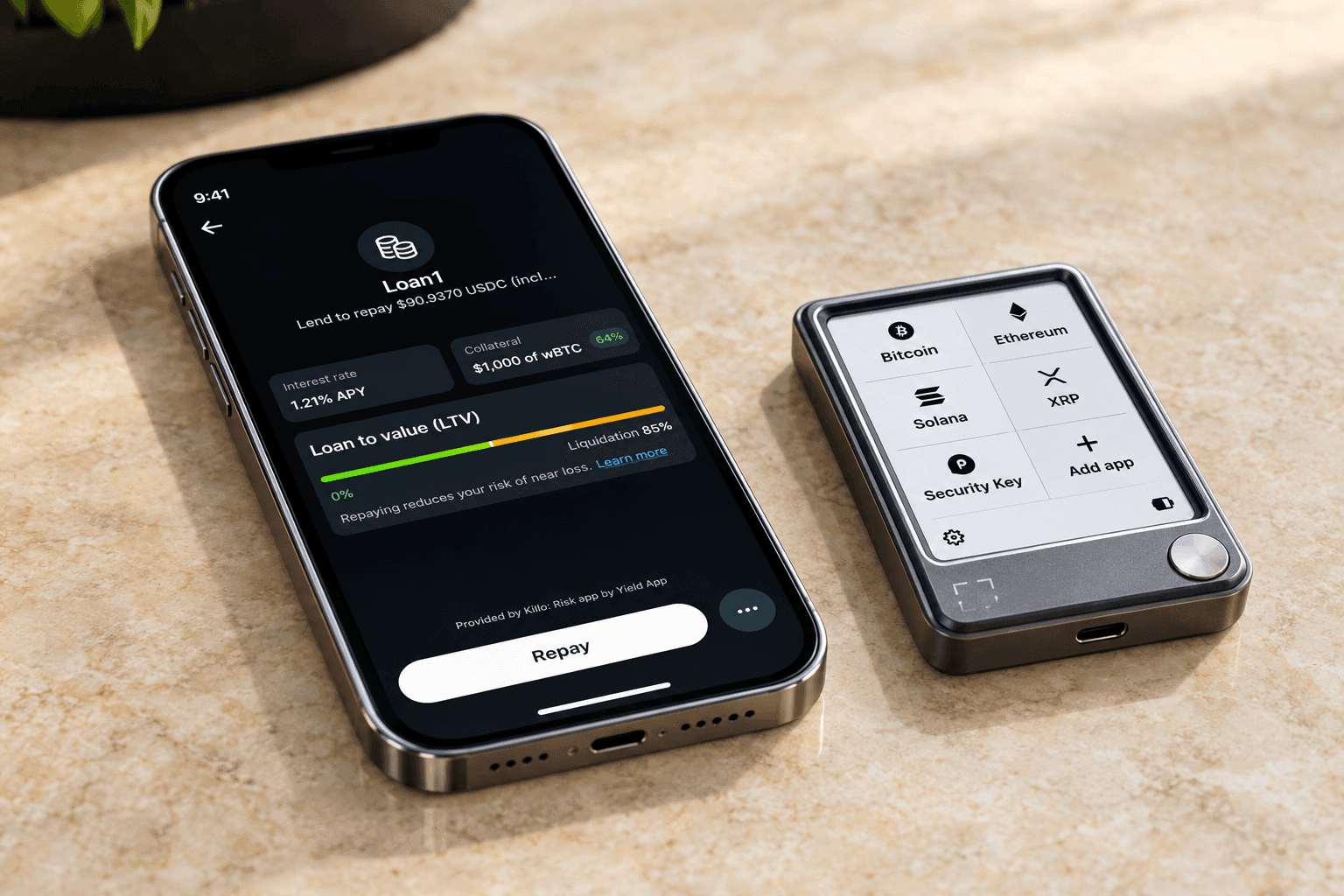
Photo: Illustrative
XRP Ledger Plans Quantum-Proof Account Keys Without Raising User Fees
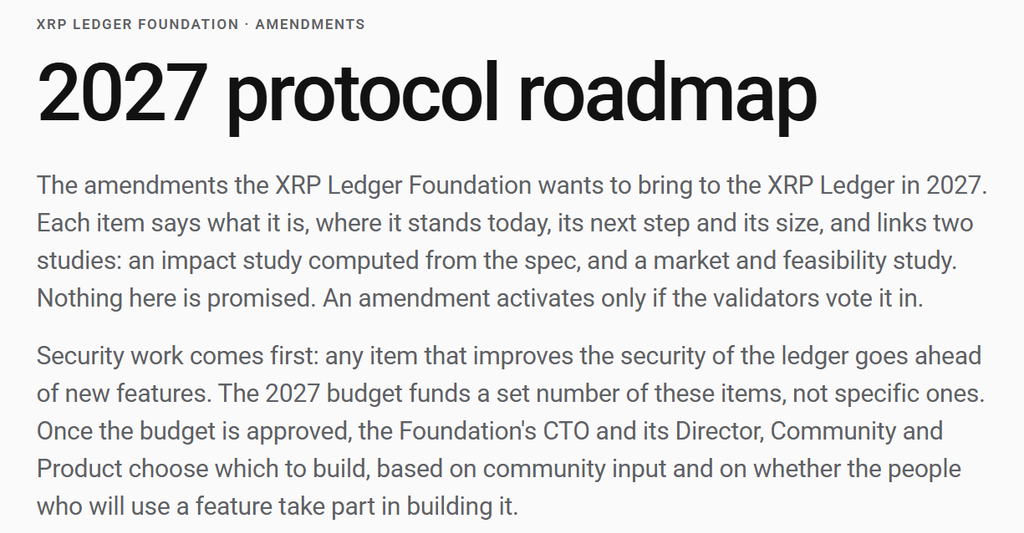
The XRP Ledger Foundation has outlined a way to shield accounts from future quantum computers, and users would not pay anything extra for it. Its quantum study proposes that owners attach a quantum-resistant signing key to their account and then disable the original one. The idea sits inside the Foundation's 2027 protocol roadmap, which was updated on Nov. 4. The risk is real today, because every signed transaction exposes a public key. A strong enough quantum machine could trace that key back to the secret controlling the account, and any account that has ever sent a payment, including every exchange wallet, has already shown its key. Switching off the old key would close that door.
.jpeg)
The XRP Ledger Foundation has outlined a way to shield accounts from future quantum computers, and users would not pay anything extra for it. Its quantum study proposes that owners attach a quantum-resistant signing key to their account and then disable the original one. The idea sits inside the Foundation’s 2027 protocol roadmap, which was updated on Nov. 4. The risk is real today, because every signed transaction exposes a public key. A strong enough quantum machine could trace that key back to the secret controlling the account, and any account that has ever sent a payment, including every exchange wallet, has already shown its key. Switching off the old key would close that door.
ML-DSA-44 Signatures and Storage Costs
The new key uses ML-DSA-44, a scheme NIST approved in 2024 to withstand quantum attacks. It is much heavier than today’s setup. The key and signature take 3,732 bytes against 105 bytes for a normal payment, adding about 3.6 KB per protected transaction. With history and database overhead, storage reaches 5,331 bytes per protected payment compared with a 1,704-byte baseline. The base fee stays unchanged, and since XRP Ledger fees are destroyed, network operators absorb the added storage burden.
XRP Ledger Roadmap Budget and Timeline
Work is not finished. Developers are fixing a bug where the Python prototype and the server and JavaScript versions can produce different keys from the same seed, and tests showing how the network performs when all validators use the new signatures have not been published. The roadmap sets aside $215,000 to $255,000 for review and auditing of this amendment, plus 640 development hours. Across all 24 amendments, the budget runs from about $5 million to nearly $6 million. Ripple is aiming for a full quantum transition by 2028, with the Foundation’s migration study planned for the first half of 2027 and development and auditing following in late 2027 or 2028.
Live market reaction
Disclaimer
This content is for informational purposes only and does not constitute financial, investment, or legal advice. Cryptocurrency trading involves risk and may result in financial loss.
Start trading
with BloFin today
Up to $500 sign-up bonus and zero-fee trading on your first 30 days.
Buy crypto nowYou will be redirected to BloFin
About the author
Emerging voice in crypto journalism with a background in fintech and digital economics. Covers DeFi, NFTs, and the evolving regulatory landscape.

Houthis Claim Ballistic Missile Attack on Riyadh Airport and Financial Centre
 Laurisa ·
Bitcoin Plunges to a Three Month Low Near $62,080 as Analyst Spots a Fourth Capitulation Wave
Laurisa · 
Nearly 1,500 Migrants Reach the Canary Islands in a Single Day, the Highest Since 2020
 Tristan R. ·