
Iran Adopts Bitcoin as Strategic Payment Option for Oil Transit
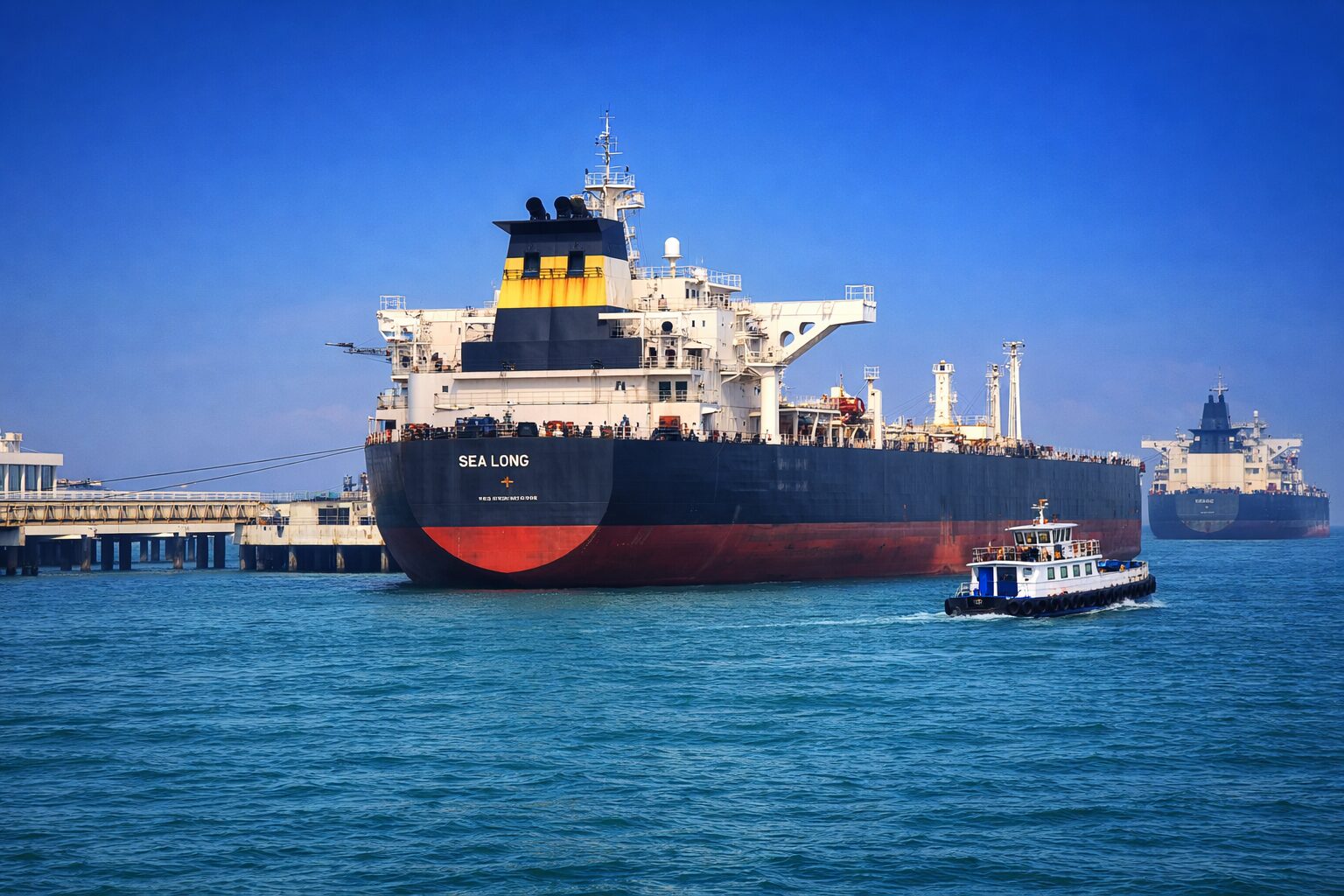
Iran’s decision to include Bitcoin as a payment method for oil vessels passing through the Strait of Hormuz highlights its growing role as a strategic financial tool. According to Sam Lyman, head of research at the Bitcoin Policy Institute, the move reflects Bitcoin’s censorship-resistant nature and its ability to function without centralized control.
He explained that Bitcoin was selected because it cannot be easily frozen or blocked by foreign authorities, making it attractive for transactions exposed to sanctions pressure. Iran currently accepts toll payments in Chinese yuan, US dollar-pegged stablecoins and Bitcoin. However, there has been no confirmed onchain evidence showing that Bitcoin has yet been used for actual toll settlements.
USDt Stablecoins Continue to Dominate Iran Crypto Transactions
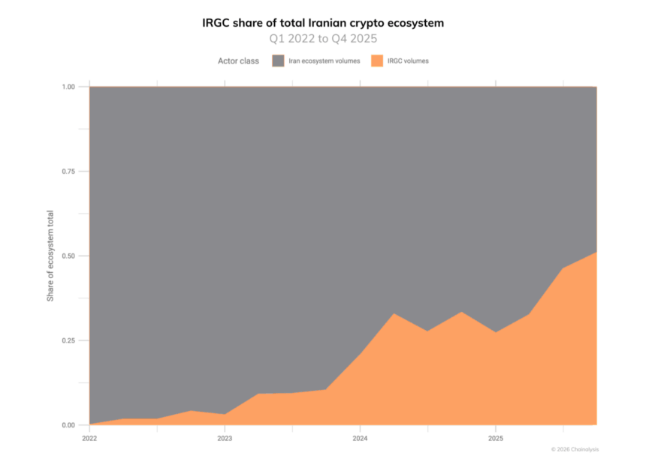
Despite Bitcoin’s strategic appeal, US dollar backed stablecoins, particularly USDt, remain the dominant digital payment method within Iran’s financial activity. Reports indicate that Iran has moved nearly $3 billion worth of cryptocurrency since 2022, with the majority conducted using stablecoins rather than Bitcoin.
Authorities have managed to freeze approximately $600 million in crypto-linked assets during that period, leaving about $2.4 billion successfully transferred. Analysts suggest that stablecoins remain widely used despite potential wallet-freezing risks, as their liquidity and global acceptance make them practical for large-scale payments.
Disclaimer
This content is for informational purposes only and does not constitute financial, investment, or legal advice. Cryptocurrency trading involves risk and may result in financial loss.