
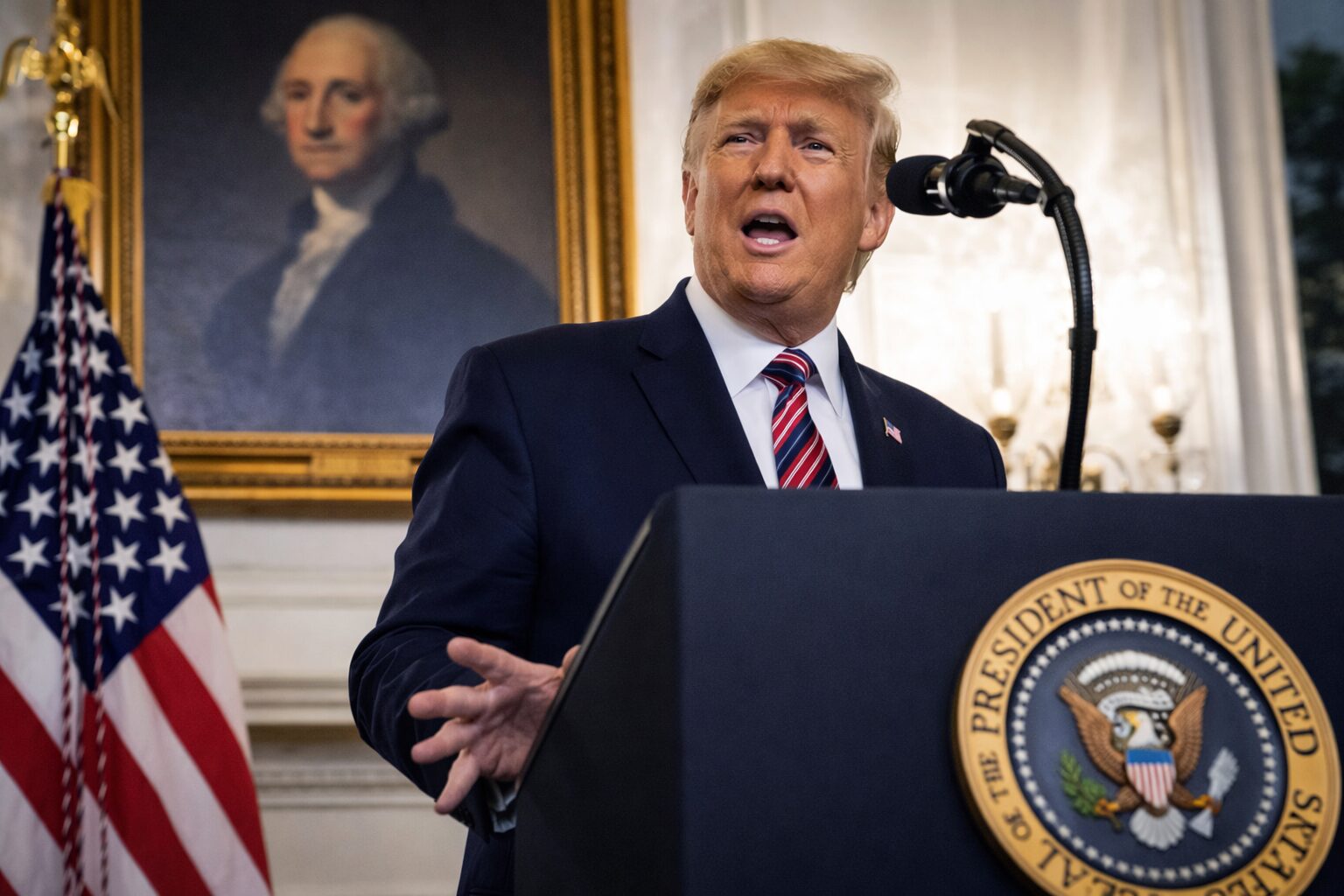
Iran has warned it could escalate maritime disruptions if the U.S. continues its blockade of the Strait of Hormuz. Iranian armed forces said they may target shipping routes across the Persian Gulf, Sea of Oman, and Red Sea if Iranian commercial vessels and oil tankers face continued restrictions or insecurity.
The threat raises concerns over global energy supply chains, as the Strait of Hormuz remains one of the world’s most critical oil transit corridors.
U.S. Signals on De-escalation and Diplomatic Talks
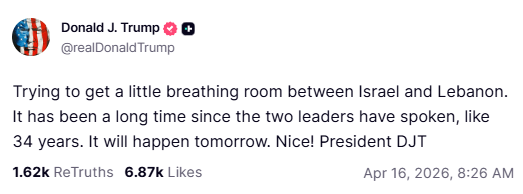
U.S. President Donald Trump said efforts are underway to create “breathing room” between Israel and Lebanon as regional tensions persist. He also suggested the conflict is “very close to over,” while diplomatic communication with Tehran reportedly continues through intermediaries, including Pakistan.
According to reports, in-person U.S.–Iran talks could resume as early as this week, with both sides still exchanging messages amid ongoing negotiations.
China Response and Regional Diplomatic Shifts
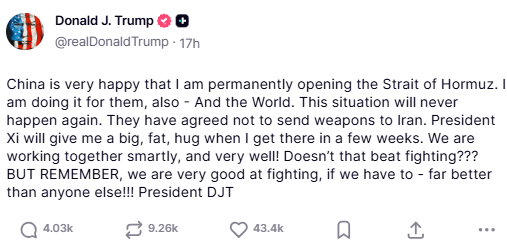
Trump also claimed that China is “very happy” about efforts to stabilize maritime routes, after Beijing criticized the U.S. blockade as “dangerous.” He further stated that Chinese President Xi Jinping agreed not to supply weapons to Iran, though no independent confirmation has been provided.
Separately, Israel and Lebanon have continued rare direct discussions in Washington while conflict with Hezbollah escalates, displacing over one million people in Lebanon.
According to Iranian forensic officials, more than 3,300 people have been killed in Iran since late February. Additional reported casualties include over 2,100 in Lebanon, 32 in Gulf states, 23 in Israel, and 13 U.S. service members, alongside two non-combat deaths.
Disclaimer
This content is for informational purposes only and does not constitute financial, investment, or legal advice. Cryptocurrency trading involves risk and may result in financial loss.