

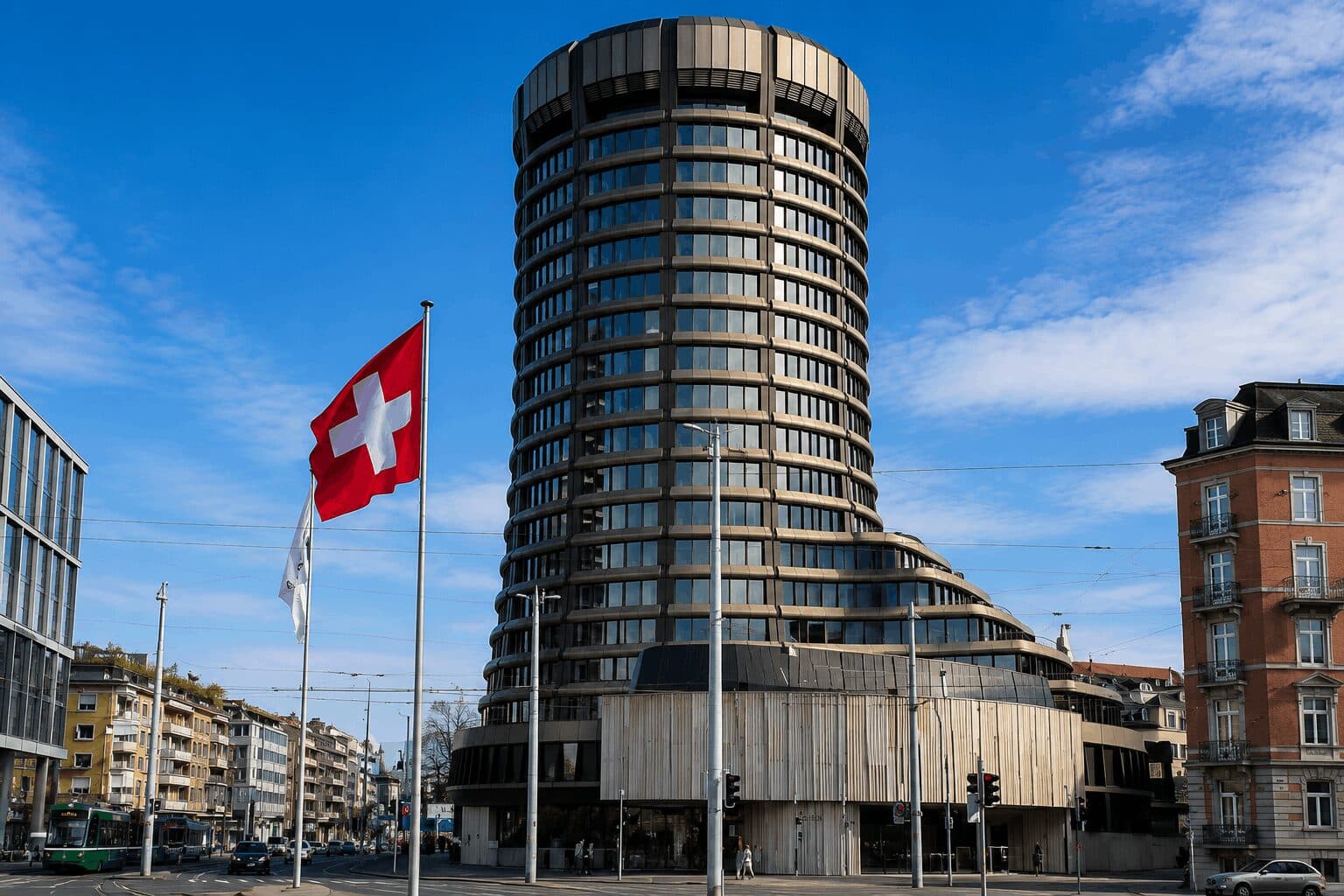
Photo: Illustrative
BIS Chief Says Stablecoins Still Lack Credibility As Payment Tool At Scale
The head of the Bank for International Settlements has renewed criticism of stablecoins, arguing they remain unreliable as a widely used payment method even as governments continue building regulatory frameworks around them.

The head of the Bank for International Settlements has renewed criticism of stablecoins, arguing they remain unreliable as a widely used payment method even as governments continue building regulatory frameworks around them.
BIS Leader Favors Tokenized Bank Deposits
BIS General Manager Pablo Hernández de Cos, who is also considered a potential future successor to the European Central Bank’s president, said stablecoins do not offer a credible foundation for large-scale payments. He argued that tokenized bank deposits present a safer path toward digital finance innovation while preserving the stability of the existing monetary system.
Government Borrowing Benefits Come With Consumer Risk
While acknowledging that stablecoins could help lower government borrowing costs, a point also raised by US Treasury officials, de Cos warned that shifting deposits away from banks could raise funding costs for financial institutions. Those added costs, he said, could eventually be passed on to consumers and businesses through higher borrowing rates.
Interoperability And Oversight Challenges Remain
De Cos also pointed to ongoing difficulties with interoperability between different stablecoin platforms and inconsistent enforcement of anti-money laundering measures. He further cautioned that growing global use of US dollar linked stablecoins could weaken other countries’ control over their own monetary policy.
Global Regulations Vary Widely By Region
A newly published study from the BIS-affiliated Financial Stability Institute compared stablecoin regulations across the United States, European Union, United Kingdom, Hong Kong, and Singapore. The research found major differences in which companies are allowed to issue stablecoins and what additional financial activities they may perform.
The US and Singapore maintain stricter rules, generally preventing stablecoin issuers from engaging in lending, staking, or asset custody services. Meanwhile, Hong Kong, the UK, and the EU allow more flexibility, provided issuers obtain proper authorization. Across all five regions, however, restrictions apply specifically to the issuing entity rather than the broader corporate group.
Live market reaction
Disclaimer
This content is for informational purposes only and does not constitute financial, investment, or legal advice. Cryptocurrency trading involves risk and may result in financial loss.
Start trading
with BloFin today
Up to $500 sign-up bonus and zero-fee trading on your first 30 days.
Buy crypto nowⓘ You will be redirected to BloFin
About the author
Covers Bitcoin, on-chain data and market structure. Breaks down what the charts and wallet flows are actually saying, without the hype.

 Guylian ·

.jpeg&w=32&q=75) Laurisa ·
Laurisa ·