

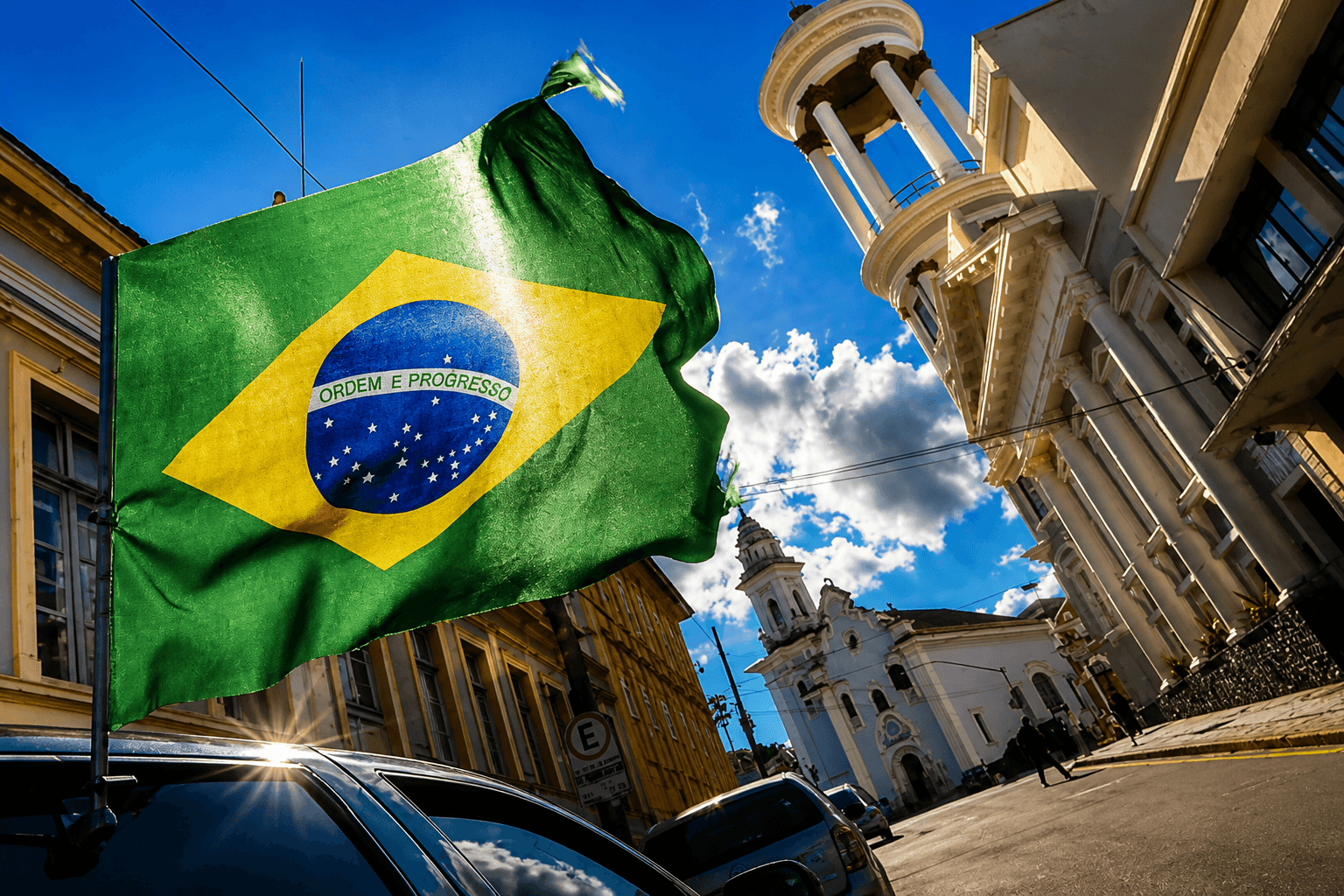
Photo: Illustrative
Brazilian Farm Uses Tokenized Cows to Secure Bank Loan
A farm in southern Brazil has turned its dairy cows into loan collateral through blockchain tokens, marking one of the country's first attempts to use livestock this way. The deal, worth 100,000 Brazilian reais, or roughly $19,600, was secured using 10 dairy cows from Fazenda Engenho Velho in Paraná state. The cattle backing the loan were valued at close to 120,000 reais, about $23,500.
.jpeg)
A farm in southern Brazil has turned its dairy cows into loan collateral through blockchain tokens, marking one of the country’s first attempts to use livestock this way. The deal, worth 100,000 Brazilian reais, or roughly $19,600, was secured using 10 dairy cows from Fazenda Engenho Velho in Paraná state. The cattle backing the loan were valued at close to 120,000 reais, about $23,500.
Investment fund Target FIDC put the structure together, registering it through Brazil’s B3 exchange.
Digital Tags Give Each Cow a Verified Identity
Every cow in the deal got its own digital token tied to an encrypted identity record. Smart collars, built by agri-tech firm Cowmed, track each animal’s health using AI, cutting down how often someone needs to physically check on them.
A New Path to Credit for Farmers
The setup gives farmers another route to borrowing money, using livestock as trackable, verifiable collateral instead of relying only on standard bank requirements. Cowmed says it already keeps tabs on close to 100,000 cows spread across 1,000 farms in Brazil.
Live market reaction
Disclaimer
This content is for informational purposes only and does not constitute financial, investment, or legal advice. Cryptocurrency trading involves risk and may result in financial loss.
Start trading
with BloFin today
Up to $500 sign-up bonus and zero-fee trading on your first 30 days.
Buy crypto nowⓘ You will be redirected to BloFin
About the author
Emerging voice in crypto journalism with a background in fintech and digital economics. Covers DeFi, NFTs, and the evolving regulatory landscape.

 Tristan R. ·
.jpeg&w=32&q=75) Laurisa ·
Laurisa ·