

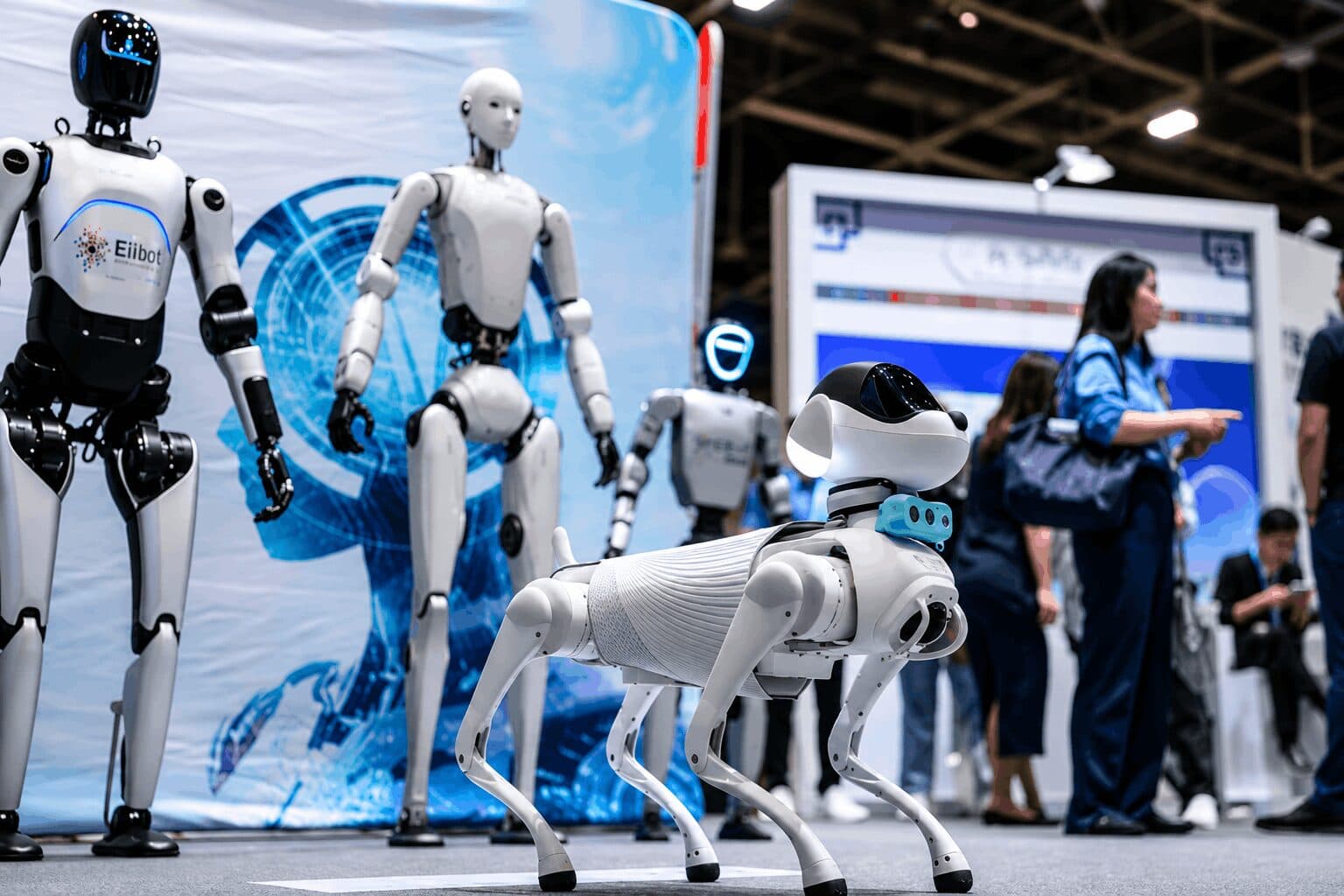
Photo: Illustrative
China Expands Robot Traffic Police Across Multiple Cities
Chinese cities are rolling out humanoid robots to handle routine traffic enforcement duties, using cameras, radar, and onboard computing to spot violations and issue warnings, though the machines lack any authority to make arrests.

Chinese cities are rolling out humanoid robots to handle routine traffic enforcement duties, using cameras, radar, and onboard computing to spot violations and issue warnings, though the machines lack any authority to make arrests.
How the Traffic Robots Operate
Developed by SUPCON Information, the 1.88-meter, 98-kilogram T2 robot can identify helmetless e-bike riders, passengers on e-bikes, vehicles stopped over marked lines, and pedestrians crossing against signals. The robots move their seven-jointed arms in sync with traffic lights, mimicking standard police gestures, and can also answer questions about directions, parking rules, and connect users to local police during emergencies.
Early Results Show Reduced Violations
SUPCON has deployed 15 robots in Hangzhou since May, reporting more than 170,000 issued warnings and a reduction of over 40% in monthly cases involving helmetless riding and stop-line violations. The company says violation recognition accuracy exceeds 95%, though performance can still be affected by strong sunlight, heavy rain, and extreme temperatures. The robots operate autonomously from 7 a.m. to 6 p.m., moving between preset intersection positions while human teams monitor and dispatch them through a central platform.
Expansion Plans and Export Ambitions
Nearly 50 similar robots are currently active across eight cities in three Chinese provinces, with deployment expected to approach 200 units by year-end. Separately, Chery backed robotics firm AiMOGA sees potential for exporting police robots to regions with harsh working conditions, such as the Middle East and Southeast Asia, though executives note that international deployment would require navigating local law-enforcement systems, certifications, and data-protection regulations.
Live market reaction
Disclaimer
This content is for informational purposes only and does not constitute financial, investment, or legal advice. Cryptocurrency trading involves risk and may result in financial loss.
Start trading
with BloFin today
Up to $500 sign-up bonus and zero-fee trading on your first 30 days.
Buy crypto nowⓘ You will be redirected to BloFin
About the author
Covers Bitcoin, on-chain data and market structure. Breaks down what the charts and wallet flows are actually saying, without the hype.

 Tristan R. ·
 Guylian ·
.jpeg&w=32&q=75) Laurisa ·
Laurisa ·