
Photo: Illustrative
China Privately Urges Iran to Rein in Houthi Forces Amid Red Sea Tensions
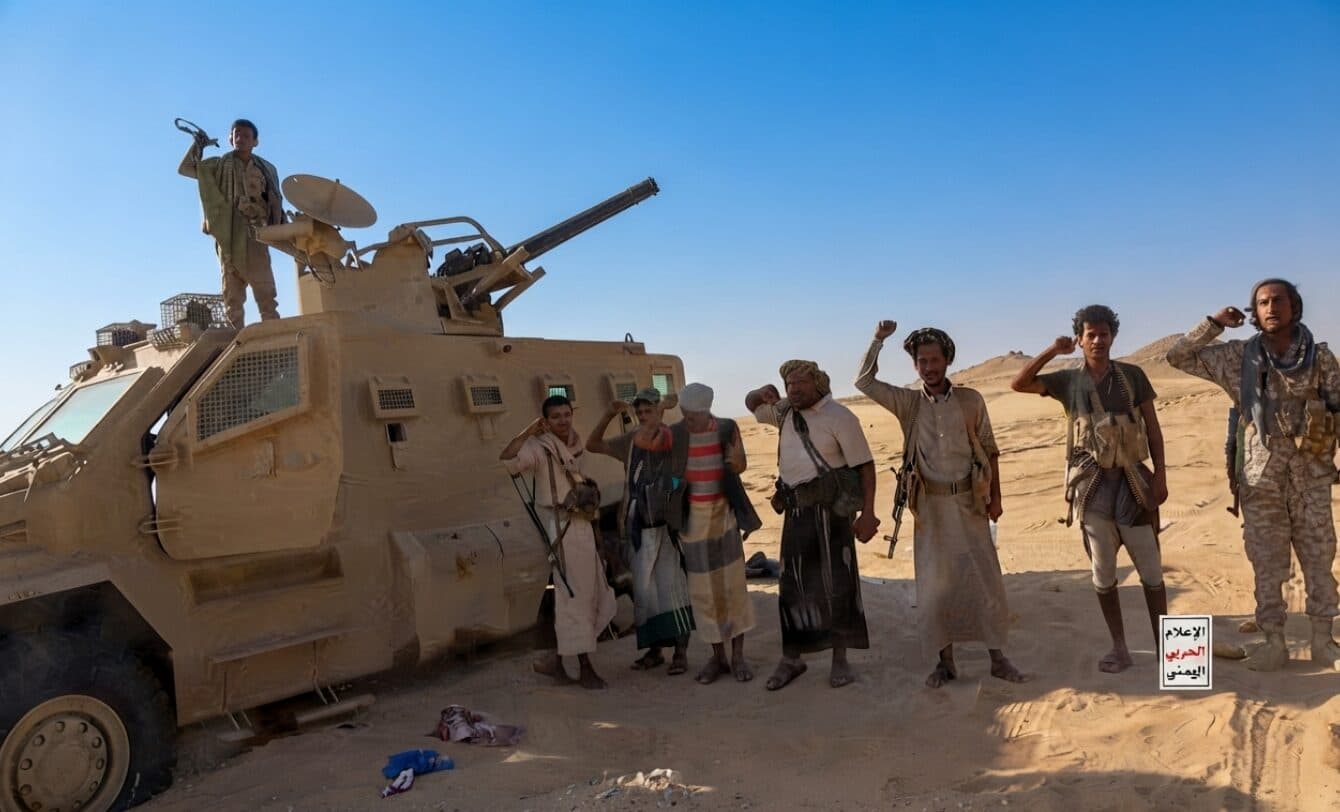
China has privately asked Iran to help curb Houthi military activity in Yemen, following a direct appeal from Saudi Arabia after the Iran-backed group made rapid territorial gains along the Red Sea coast, according to sources familiar with the discussions. The escalation has raised concerns over the safety of Saudi oil exports and regional shipping routes.

China has privately asked Iran to help curb Houthi military activity in Yemen, following a direct appeal from Saudi Arabia after the Iran-backed group made rapid territorial gains along the Red Sea coast, according to sources familiar with the discussions. The escalation has raised concerns over the safety of Saudi oil exports and regional shipping routes.
Beijing’s Private Message Goes Beyond Public Statements
While China has publicly called for restraint and dialogue, sources indicate its private communication to Tehran was notably more direct, urging Iran to use its influence over the Houthis to prevent further disruption to critical energy shipping lanes that China’s economy heavily depends on. It remains unclear exactly how this message was delivered or whether it was raised during a recent visit to China by Iran’s foreign minister.
China’s Deep Economic Ties With Iran Provide Leverage
China has remained Iran’s largest trading partner for more than a decade and continues to be the primary buyer of Iranian oil, purchasing the vast majority of Iran’s seaborne oil exports last year. Analysts note that this economic relationship gives Beijing significant influence, potentially more than most other nations currently hold over Tehran.
Risk of Simultaneous Disruption to Major Oil Routes
With the Strait of Hormuz already effectively blocked, continued Houthi attacks in the Red Sea could disrupt two of the Middle East’s most critical oil export routes at the same time, intensifying an already severe global energy crisis and raising the risk of broader regional conflict.
Beijing Faces Its Own Strategic Balancing Act
Experts note that China’s interests in the Middle East extend well beyond its relationship with Iran, given its substantial oil imports and trade ties with Gulf Arab states. While Beijing has previously demonstrated diplomatic influence, including brokering the 2023 agreement restoring ties between Iran and Saudi Arabia, some Iranian critics argue that non-oil trade and investment from China have remained limited since a long-term cooperation agreement was signed in 2021.
Live market reaction
Disclaimer
This content is for informational purposes only and does not constitute financial, investment, or legal advice. Cryptocurrency trading involves risk and may result in financial loss.
Start trading
with BloFin today
Up to $500 sign-up bonus and zero-fee trading on your first 30 days.
Buy crypto nowⓘ You will be redirected to BloFin
About the author
8+ years covering crypto markets, macro, and geopolitics. Previously at Decrypt and CoinDesk. Focused on the intersection of digital assets and traditional finance.
 Tristan R. ·