

Photo: Illustrative
Hyundai Becomes First Major South Korean Firm to Use Stablecoins for Internal Transfers
Hyundai, the world's third largest automaker by vehicle sales, has moved its stablecoin based cross border payment system into full production on the Avalanche blockchain, making it the first major South Korean company to implement this kind of internal treasury solution. According to Ava Labs' head of APAC, Justin Kim, the initiative goes beyond a technical trial, representing a genuine treasury management use case already handling live transfers between Hyundai's U.S. and Mexico operations.
.jpeg)
Hyundai, the world’s third largest automaker by vehicle sales, has moved its stablecoin based cross border payment system into full production on the Avalanche blockchain, making it the first major South Korean company to implement this kind of internal treasury solution. According to Ava Labs’ head of APAC, Justin Kim, the initiative goes beyond a technical trial, representing a genuine treasury management use case already handling live transfers between Hyundai’s U.S. and Mexico operations.
Stablecoins Gaining Ground Beyond Crypto Trading
The move reflects a broader trend of large corporations exploring stablecoins to streamline how money moves between subsidiaries and across borders. Industry experts have noted that companies are increasingly turning to this technology to cut costs and reduce delays associated with traditional banking systems.
How the First Transfer Worked
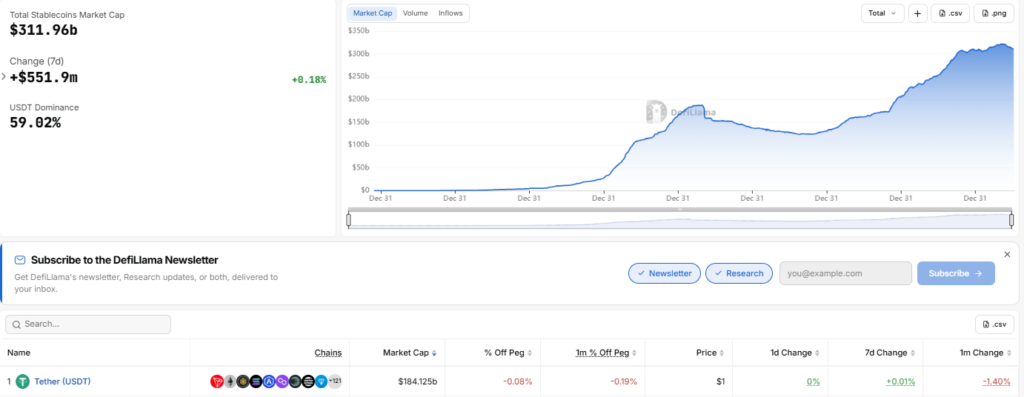
In its initial phase, Hyundai transferred $20,000 from its US operations to its Mexico division by converting dollars into Tether’s USDT stablecoin before converting the funds back into dollars on the receiving end. According to Hyundai Card, the automaker’s credit card unit and lead on the project, the entire process took an average of just seven minutes, compared to the three to four hours typically required through conventional banking channels.
Expansion Plans Underway
Hyundai and its blockchain partners plan to expand the system to additional currencies and cross border payment routes as they evaluate how well it scales across more corporate use cases. A second pilot involving Hyundai’s European subsidiaries is set to begin later this month, testing local currency transfers in partnership with Circle Internet, the issuer of the USDC stablecoin, along with Visa.
Live market reaction
Disclaimer
This content is for informational purposes only and does not constitute financial, investment, or legal advice. Cryptocurrency trading involves risk and may result in financial loss.
Start trading
with BloFin today
Up to $500 sign-up bonus and zero-fee trading on your first 30 days.
Buy crypto nowⓘ You will be redirected to BloFin
About the author
Emerging voice in crypto journalism with a background in fintech and digital economics. Covers DeFi, NFTs, and the evolving regulatory landscape.

UK Says Energy Grid Remains Safe Despite Iran-Linked Cyber Attack on Small Generator
 Tristan R. ·
Hyperliquid Policy Center Calls for Unified SEC-CFTC Rules on Perpetual Contracts
Tristan R. · 
Coinbase Launches Tokenized Stocks on Base Blockchain, Starting With Apple and Nvidia
Tristan R. ·