

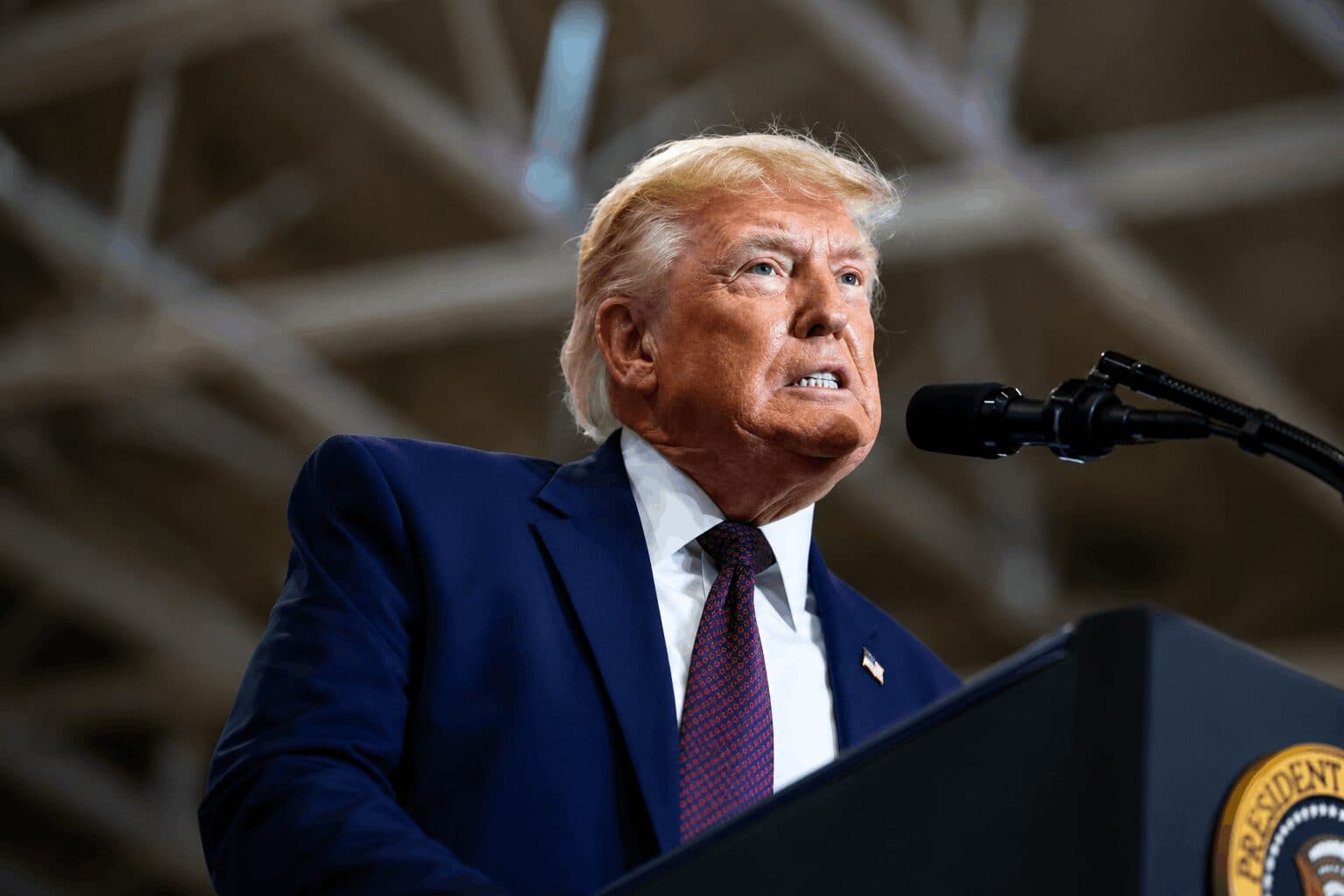
Photo: Illustrative
US Digital Dollar Ban Set to Take Effect as Housing Bill Becomes Law Without Trump’s Signature
A bipartisan housing affordability bill is set to become law at midnight, carrying with it a four year ban on a Federal Reserve-issued central bank digital currency, even though President Donald Trump has refused to sign it.

A bipartisan housing affordability bill is set to become law at midnight, carrying with it a four year ban on a Federal Reserve-issued central bank digital currency, even though President Donald Trump has refused to sign it.
Republican lawmakers attached the CBDC restriction to the housing legislation, arguing that a government-backed digital dollar poses risks of surveillance overreach, despite no active push within the U.S. to create one. The provision blocks the Fed from issuing a digital currency through the end of 2030.
Trump’s Objection Doesn’t Stop the Clock
Trump said he would withhold his signature in protest, demanding that the Senate first pass a separate elections related bill involving voter identification requirements. However, under the Constitution, a bill approved by Congress becomes law after ten days regardless of presidential signature, unless formally vetoed. Trump has not issued a veto, clearing the way for automatic passage.
Crypto Industry Welcomes the Ban
The digital asset industry has long opposed a U.S. CBDC, viewing it as a threat to privately issued stablecoins. While other regions, including Europe and China, have advanced their own digital currency projects, U.S. lawmakers have repeatedly tried attaching similar bans to unrelated bills.
Political Tensions Linger
Trump’s standoff has raised questions about whether future legislation, including crypto market structure bills, could face similar delays amid his push for election-related reforms ahead of the midterms.
Live market reaction
Disclaimer
This content is for informational purposes only and does not constitute financial, investment, or legal advice. Cryptocurrency trading involves risk and may result in financial loss.
Start trading
with BloFin today
Up to $500 sign-up bonus and zero-fee trading on your first 30 days.
Buy crypto nowⓘ You will be redirected to BloFin
About the author
8+ years covering crypto markets, macro, and geopolitics. Previously at Decrypt and CoinDesk. Focused on the intersection of digital assets and traditional finance.

 Guylian ·

.jpeg&w=32&q=75) Laurisa ·
Laurisa ·