


Photo: Illustrative
IMF Warns Nigeria’s Stablecoin Boom Is Challenging Monetary Policy and Regulation
The International Monetary Fund (IMF) has warned that the rapid growth of stablecoin usage in Nigeria is putting increasing pressure on the country’s monetary and regulatory systems. As more households and businesses turn to dollar-pegged digital assets for payments and savings, policymakers face new challenges in maintaining financial stability.

The International Monetary Fund (IMF) has warned that the rapid growth of stablecoin usage in Nigeria is putting increasing pressure on the country’s monetary and regulatory systems. As more households and businesses turn to dollar-pegged digital assets for payments and savings, policymakers face new challenges in maintaining financial stability.
According to the IMF, stablecoins have become a popular tool for cross-border transactions because they offer faster and cheaper transfers than traditional payment channels. The organization noted that sending money to sub-Saharan Africa remains among the most expensive globally, making digital alternatives attractive for users.
Economic Pressures Drive Demand for Dollar-Linked Assets
Nigeria’s growing stablecoin adoption has been fueled by a combination of economic factors, including the depreciation of the naira, persistent inflation and limited access to foreign currency. Many individuals and small businesses have increasingly used dollar-backed stablecoins to preserve value and pay overseas suppliers.
The IMF estimates that Nigeria has accounted for roughly 60% of all stablecoin inflows into sub-Saharan Africa since 2019, highlighting the scale of adoption within the country.
IMF Calls for Stronger Oversight and Better Infrastructure
While recognizing the benefits of stablecoins, the IMF warned that widespread use of dollar-denominated digital assets could weaken demand for the local currency and reduce the effectiveness of domestic monetary policy. The organization also raised concerns about money laundering risks and reduced visibility into financial flows.
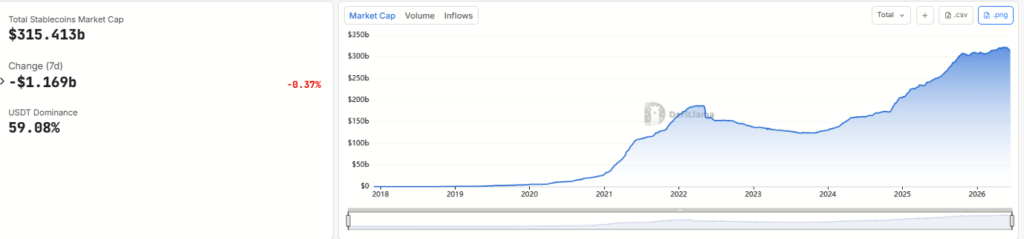
Rather than restricting stablecoins, the IMF recommends a balanced approach focused on stronger regulation, improved blockchain monitoring, better reporting standards and upgrades to payment infrastructure. The goal is to support innovation while protecting financial stability as global stablecoin supply continues to grow beyond $295 billion.
Live market reaction
Disclaimer
This content is for informational purposes only and does not constitute financial, investment, or legal advice. Cryptocurrency trading involves risk and may result in financial loss.
Start trading
with BloFin today
Up to $500 sign-up bonus and zero-fee trading on your first 30 days.
Buy crypto nowⓘ You will be redirected to BloFin
About the author
8+ years covering crypto markets, macro, and geopolitics. Previously at Decrypt and CoinDesk. Focused on the intersection of digital assets and traditional finance.

.jpeg&w=32&q=75) Laurisa ·
Laurisa ·