
Photo: Illustrative
Iran Tightens Control of Strait of Hormuz With New Vessel Clearance System
Iran has strengthened its control over the Strait of Hormuz by introducing a multi layered clearance system for ships crossing the strategic waterway, according to maritime and government sources. The move comes as countries struggle to secure energy supplies disrupted by the ongoing conflict.
.jpeg)
Iran has strengthened its control over the Strait of Hormuz by introducing a multi layered clearance system for ships crossing the strategic waterway, according to maritime and government sources. The move comes as countries struggle to secure energy supplies disrupted by the ongoing conflict.
The Strait of Hormuz handles nearly one fifth of the world’s oil supply, making any disruption a major concern for global energy markets.
Iran’s system reportedly includes diplomatic agreements, security checks and, in some cases, fees for safe passage. Countries including Iraq, India, China and Pakistan are among those seeking arrangements to move vessels through the route.
Tanker Delays Highlight New Risks in Hormuz
The case of the tanker Agios Fanourios highlights the growing complexity of crossing Hormuz. The Malta flagged ship, carrying Iraqi crude oil to Vietnam, had been stranded near Dubai since late April before finally receiving approval to cross on May 10.
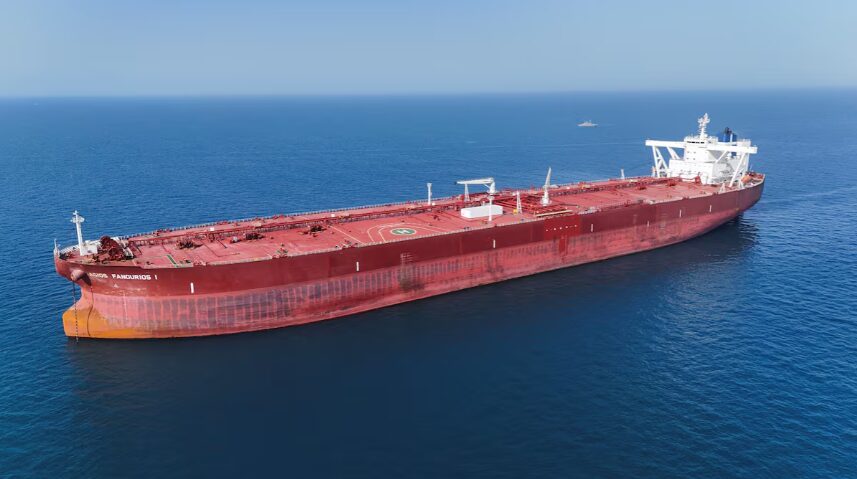
Although the tanker eventually crossed the strait, its trip was delayed after Iran’s Revolutionary Guard temporarily stopped and inspected the ship over suspected cargo concerns.
Some Ships Face Fees and Security Vetting
Shipping sources say vessels without government backed agreements may face charges exceeding $150,000 for safe transit, though exact amounts remain unconfirmed.
Iran reportedly prioritizes ships connected to allies such as China and Russia, while others undergo detailed inspections.
Global Shipping Faces Rising Pressure
Before the conflict, around 120 to 140 ships crossed the Strait of Hormuz daily. Recent shipping data suggests traffic has dropped sharply, leaving thousands of sailors stranded in Gulf waters.
The United States has warned companies against making payments to Iranian authorities, saying such actions may violate sanctions rules.
Live market reaction
Disclaimer
This content is for informational purposes only and does not constitute financial, investment, or legal advice. Cryptocurrency trading involves risk and may result in financial loss.
Start trading
with BloFin today
Up to $500 sign-up bonus and zero-fee trading on your first 30 days.
Buy crypto nowⓘ You will be redirected to BloFin
About the author
Emerging voice in crypto journalism with a background in fintech and digital economics. Covers DeFi, NFTs, and the evolving regulatory landscape.

 Tristan R. ·
.jpeg&w=32&q=75) Laurisa ·
Laurisa ·