

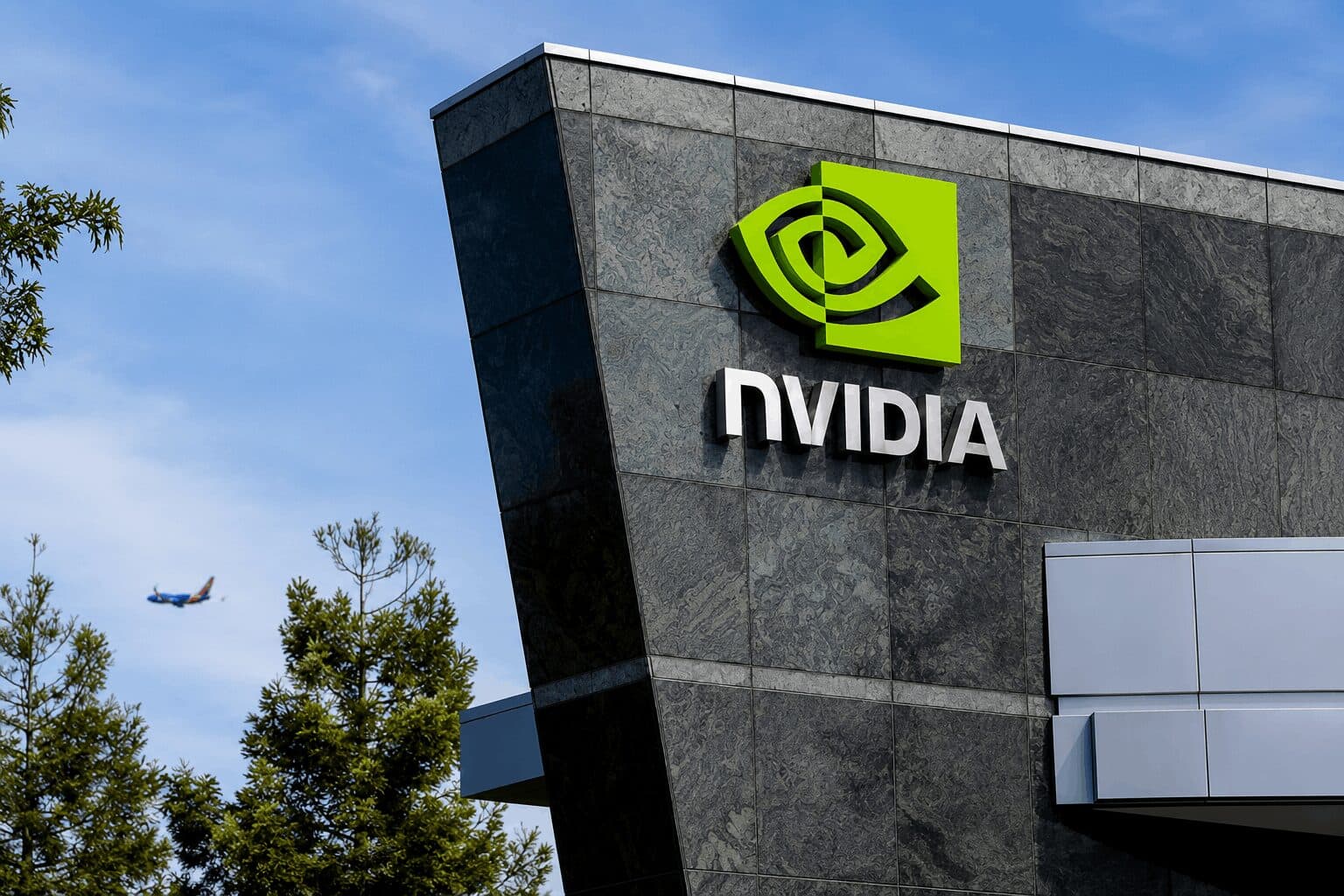
Photo: Illustrative
Nvidia’s $500 Billion Wall Street Push Widens Gap With Decentralized Compute
Nvidia has signed agreements with six major Wall Street firms, including Apollo Global Management, Blackstone, BlackRock, Brookfield Asset Management, Goldman Sachs, and KKR, to build financing platforms that could eventually channel more than $500 billion into AI computing infrastructure. The initiative aims to reframe AI compute as a long-term, revenue-generating infrastructure asset similar to real estate or power plants, rather than a rapidly depreciating technology expense.

Nvidia has signed agreements with six major Wall Street firms, including Apollo Global Management, Blackstone, BlackRock, Brookfield Asset Management, Goldman Sachs, and KKR, to build financing platforms that could eventually channel more than $500 billion into AI computing infrastructure. The initiative aims to reframe AI compute as a long-term, revenue-generating infrastructure asset similar to real estate or power plants, rather than a rapidly depreciating technology expense.
A New Financial Model for AI Chips
Under this approach, companies needing powerful AI chips would no longer need to purchase them outright using cash or loans. Instead, institutional investors would fund the hardware through dedicated platforms, earning returns through rental income as multiple clients use the same infrastructure over time.
Banks involved in the deals will independently evaluate each project based on customer demand and expected cash flow, with Nvidia potentially absorbing a portion of the risk if chip values decline. Nvidia’s leadership described this as the first time computing chips have functioned as a true investable asset class, comparing the shift to how earlier infrastructure like electricity and transportation attracted long-term external financing.
Decentralized Compute Networks Continue to Lag
While blockchain-based computing networks have aimed to create alternative, distributed marketplaces for processing power, research indicates these networks still operate at a small fraction of the throughput found in major centralized data centers. Limitations including bandwidth constraints, verification overhead, and the absence of enterprise-grade service agreements continue to hinder broader adoption, a gap likely to widen further as Nvidia deepens its ties with major financial institutions.
Live market reaction
Disclaimer
This content is for informational purposes only and does not constitute financial, investment, or legal advice. Cryptocurrency trading involves risk and may result in financial loss.
Start trading
with BloFin today
Up to $500 sign-up bonus and zero-fee trading on your first 30 days.
Buy crypto nowⓘ You will be redirected to BloFin
About the author
8+ years covering crypto markets, macro, and geopolitics. Previously at Decrypt and CoinDesk. Focused on the intersection of digital assets and traditional finance.

.jpeg&w=32&q=75) Laurisa ·
Laurisa · 
 Tristan R. ·