

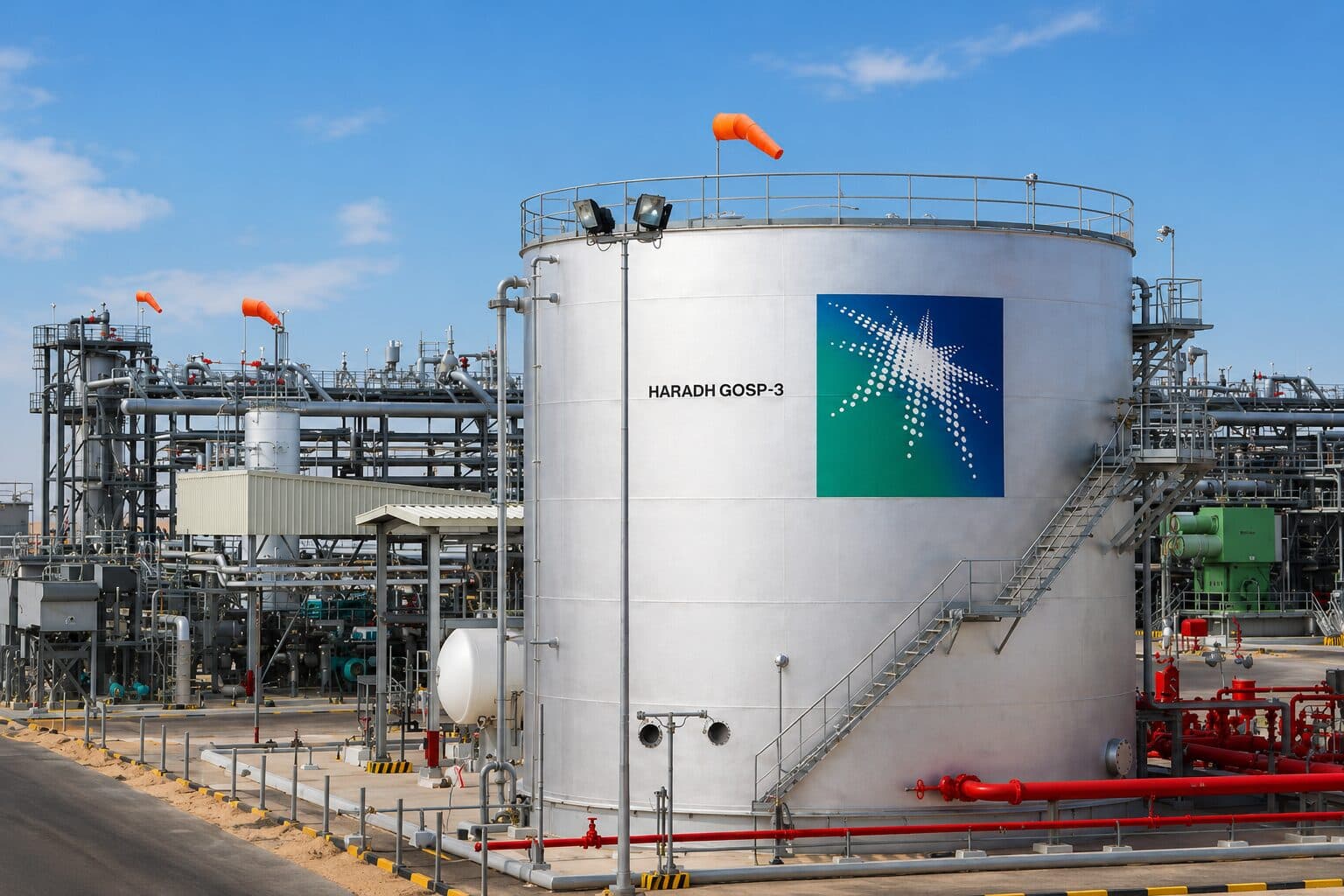
Photo: Illustrative
Oil Prices Steady as Saudi Arabia Cuts Rates and OPEC+ Raises Output Target
Oil prices showed little movement on Monday, trading close to levels seen before the recent Iran conflict as Saudi Arabia slashed its official selling prices, OPEC+ approved another increase in production targets, and exports through the Strait of Hormuz continued recovering. Brent crude, which touched a four-year high above $126 in late April, traded at $72.19 a barrel, up slightly by 7 cents. U.S. West Texas Intermediate crude stood at $68.81 a barrel, up 12 cents.

Oil prices showed little movement on Monday, trading close to levels seen before the recent Iran conflict as Saudi Arabia slashed its official selling prices, OPEC+ approved another increase in production targets, and exports through the Strait of Hormuz continued recovering. Brent crude, which touched a four-year high above $126 in late April, traded at $72.19 a barrel, up slightly by 7 cents. U.S. West Texas Intermediate crude stood at $68.81 a barrel, up 12 cents.
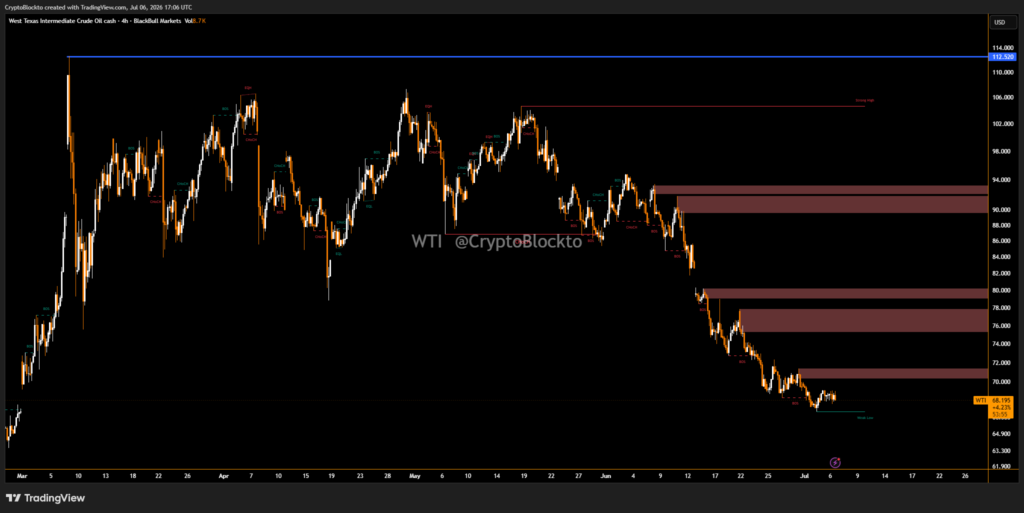
Both benchmarks stayed largely flat last week after falling steadily over the past month back to levels last seen in late February, before the war disrupted global energy flows. Analysts pointed to previously stranded tankers finally exiting the Gulf as a key factor keeping prices under pressure, adding to available oil supply on the water.
Saudi Arabia Slashes Prices Amid Signs of a Price War
Saudi Arabia set its official selling price for Arab Light crude to Asia in August at $1.50 below the Oman/Dubai average, the steepest monthly cut recorded since 2003. Abu Dhabi’s national oil company has also been offering discounted crude through tenders, according to traders. Energy analysts suggested Gulf producers may be positioning for a broader price war as competition for market share intensifies.
OPEC+ Raises Targets, But Real Output Lags
OPEC and allied producers, including Russia, agreed Sunday to raise output targets by another 188,000 barrels per day starting in August, building on similar increases in June and July. However, actual production gains have remained largely theoretical, since the Iran conflict closed the Strait of Hormuz to tanker traffic for major producers including Saudi Arabia, Kuwait and Iraq, limiting their ability to export.
Broader Market Developments
Separately, Ukraine’s military said it struck Russia’s largest oil refinery in Omsk overnight, along with facilities in the Yaroslavl and Leningrad regions. Meanwhile, shipping companies Maersk and Hapag-Lloyd announced plans to resume sailings through the Suez Canal, a route largely abandoned after Houthi attacks in the Red Sea during the Gaza conflict. Restoring this corridor is expected to shorten shipping times by roughly four weeks.
Live market reaction
Disclaimer
This content is for informational purposes only and does not constitute financial, investment, or legal advice. Cryptocurrency trading involves risk and may result in financial loss.
Start trading
with BloFin today
Up to $500 sign-up bonus and zero-fee trading on your first 30 days.
Buy crypto nowⓘ You will be redirected to BloFin
About the author
Covers Bitcoin, on-chain data and market structure. Breaks down what the charts and wallet flows are actually saying, without the hype.

 Guylian ·

.jpeg&w=32&q=75) Laurisa ·
Laurisa ·