

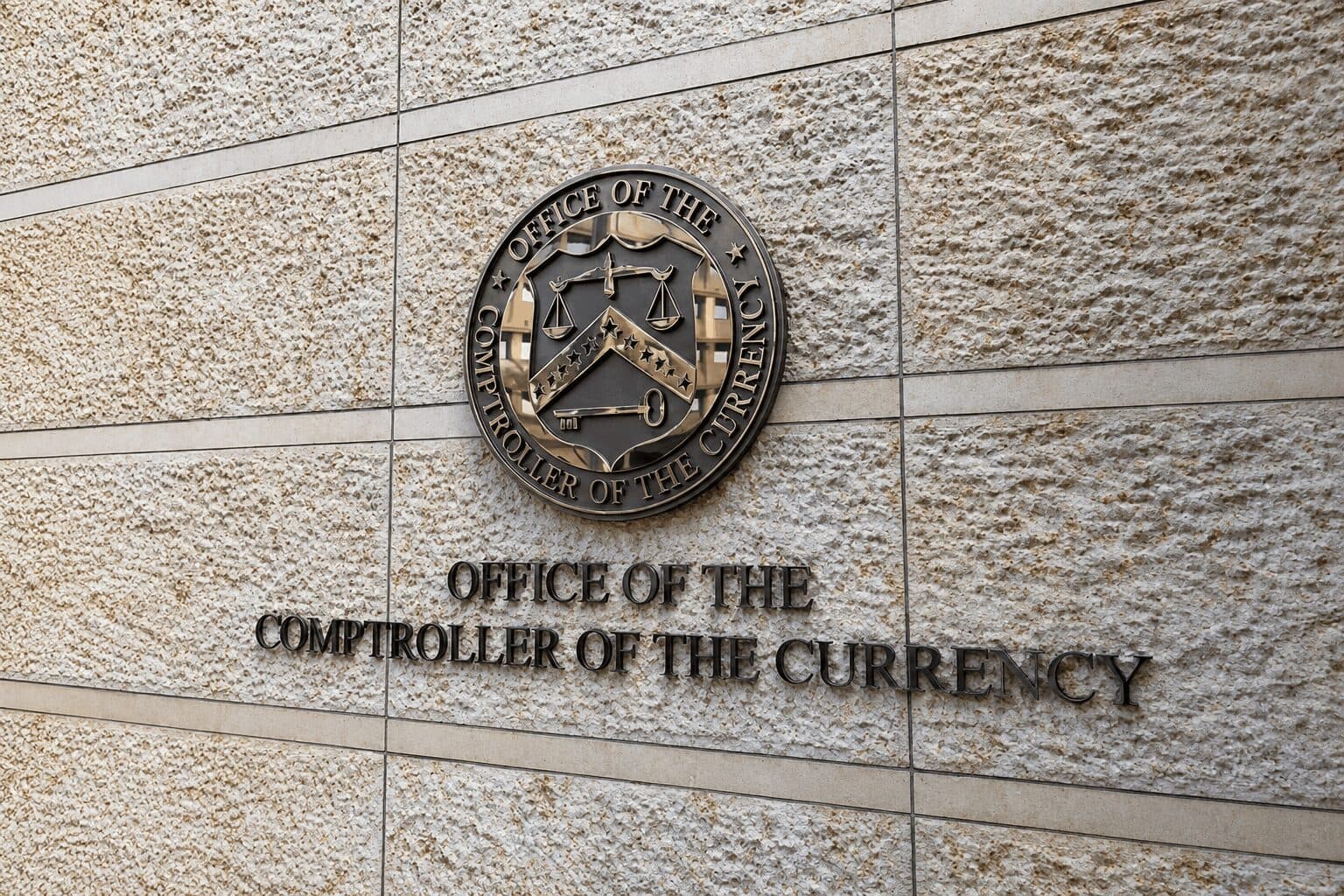
Photo: Illustrative
Revolut Wins Conditional U.S. Bank Charter Approval Ahead of 2027 Launch
Revolut has received conditional approval from the U.S. Office of the Comptroller of the Currency (OCC) for a national bank charter, moving the fintech closer to launching its U.S. banking operation in 2027.

Revolut has received conditional approval from the U.S. Office of the Comptroller of the Currency (OCC) for a national bank charter, moving the fintech closer to launching its U.S. banking operation in 2027.
Revolut U.S. Bank Charter and Regulatory Approval
The OCC decision is an important step, but Revolut still needs approvals from the Federal Deposit Insurance Corporation and Federal Reserve before receiving full authorization. The company plans to offer U.S. customers FDIC insured deposits, consumer loans and credit cards.
Revolut Crypto and Stablecoin Services
The proposed U.S. bank will also include access to cryptocurrencies and stablecoins, extending Revolut’s financial app model into the American banking market. The company says it serves more than 80 million customers globally and is targeting 100 million by mid-2027.
Global Banking Expansion
Revolut has continued expanding its regulated presence, securing banking licenses in the UK, France and Australia during 2026. It has also expanded in Mexico and is pursuing regulatory approvals in several other markets.
The U.S. charter could allow Revolut to compete more directly with established American banks while combining traditional financial products with digital assets.
Live market reaction
Disclaimer
This content is for informational purposes only and does not constitute financial, investment, or legal advice. Cryptocurrency trading involves risk and may result in financial loss.
Start trading
with BloFin today
Up to $500 sign-up bonus and zero-fee trading on your first 30 days.
Buy crypto nowⓘ You will be redirected to BloFin
About the author
8+ years covering crypto markets, macro, and geopolitics. Previously at Decrypt and CoinDesk. Focused on the intersection of digital assets and traditional finance.

 Guylian ·

.jpeg&w=32&q=75) Laurisa ·
Laurisa ·