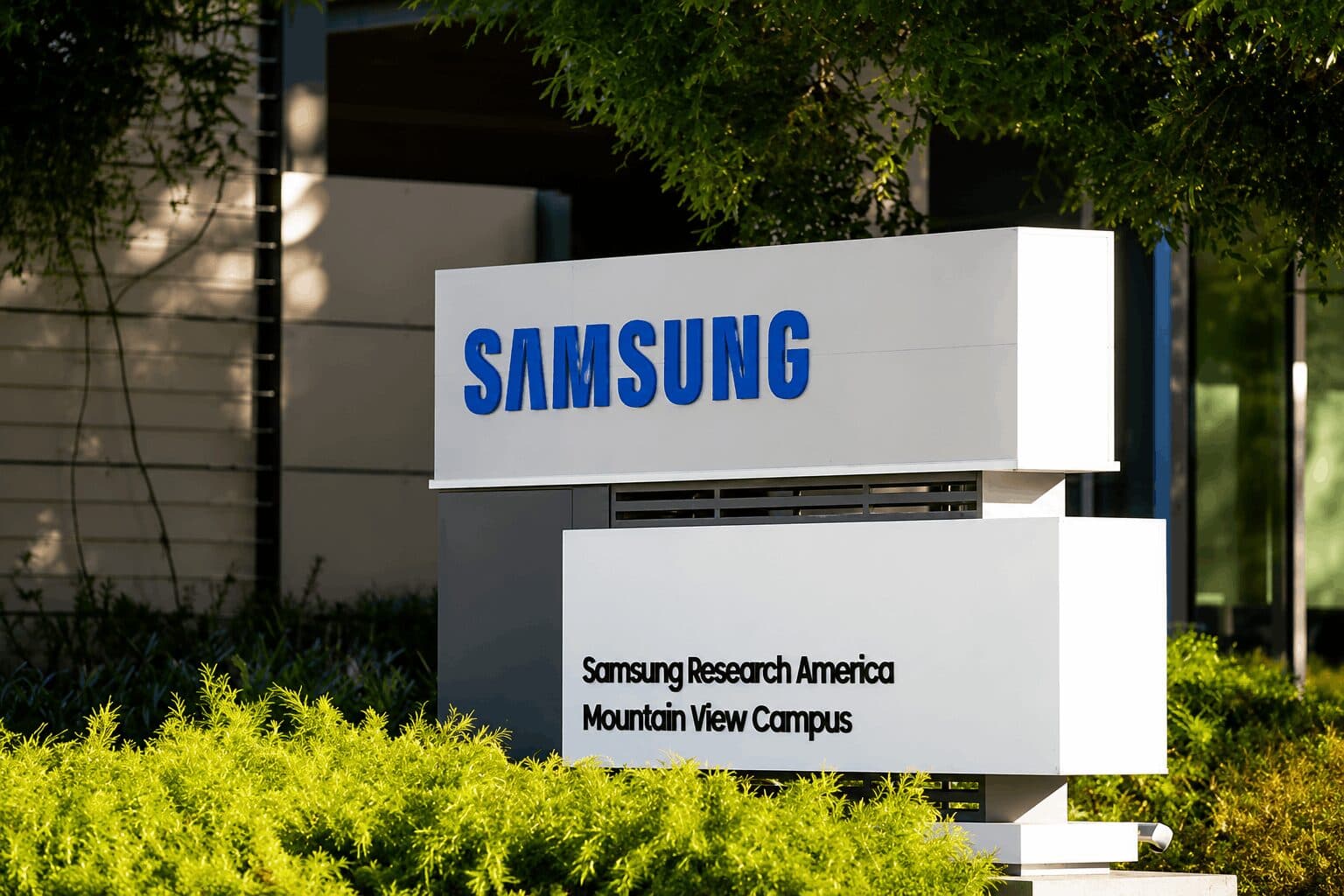
Photo: Illustrative
Samsung Units Invest $408 Million in Upbit Operator Dunamu
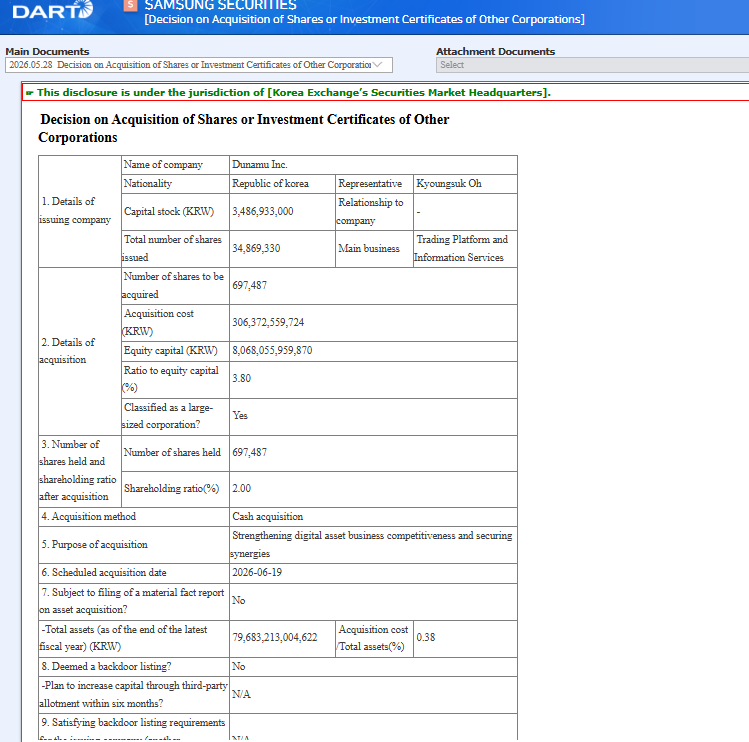
Samsung Securities, Samsung SDS and Samsung Card are set to acquire a combined 4% stake in Dunamu, the company behind South Korea’s largest crypto exchange, Upbit. The investment is valued at 612.8 billion won, or around $408 million.

Samsung Securities, Samsung SDS and Samsung Card are set to acquire a combined 4% stake in Dunamu, the company behind South Korea’s largest crypto exchange, Upbit. The investment is valued at 612.8 billion won, or around $408 million.
According to local reports, the three Samsung affiliates approved the purchase of 1.39 million Dunamu shares from Kakao affiliates during board meetings held on Thursday. Samsung Securities will take a 2% stake, while Samsung SDS and Samsung Card will each hold 1%.
Samsung Targets Tokenized Securities and Digital Assets
The investment comes as South Korea prepares regulations for tokenized securities and won based stablecoins. Samsung Securities plans to work with Dunamu on tokenized securities issuance and digital asset services.
Samsung SDS is expected to combine its artificial intelligence, cloud, security and IT capabilities with Dunamu’s blockchain experience. Meanwhile, Samsung Card may explore crypto payment options through Samsung Financial Networks’ Monimo app.
The move follows Hana Financial Group’s recent purchase of a 6.55% stake in Dunamu worth more than $668 million.
South Korea’s tokenized securities framework is expected to officially take effect in February 2027.
Live market reaction
Disclaimer
This content is for informational purposes only and does not constitute financial, investment, or legal advice. Cryptocurrency trading involves risk and may result in financial loss.
Start trading
with BloFin today
Up to $500 sign-up bonus and zero-fee trading on your first 30 days.
Buy crypto nowⓘ You will be redirected to BloFin
About the author
8+ years covering crypto markets, macro, and geopolitics. Previously at Decrypt and CoinDesk. Focused on the intersection of digital assets and traditional finance.

 Guylian ·

.jpeg&w=32&q=75) Laurisa ·
Laurisa ·