
Photo: Illustrative
SEC Commissioner Hester Peirce Says Open-Source DeFi Code Should Be Protected Speech
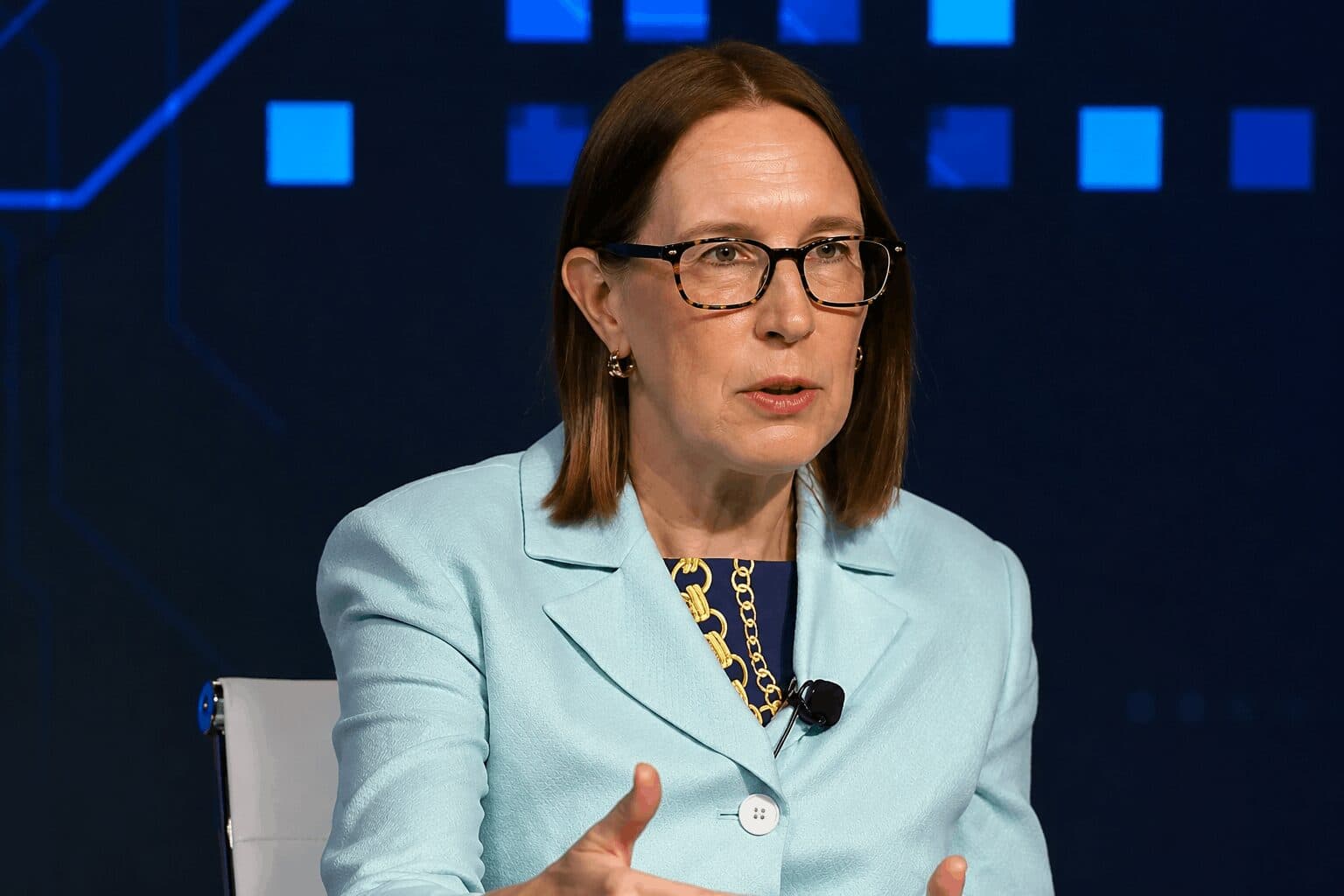
US Securities and Exchange Commission Commissioner Hester Peirce has argued that publishing open-source blockchain code should not automatically subject software developers to federal securities regulations. Her comments add to the ongoing debate over how decentralized finance projects should be regulated in the United States.

US Securities and Exchange Commission Commissioner Hester Peirce has argued that publishing open-source blockchain code should not automatically subject software developers to federal securities regulations. Her comments add to the ongoing debate over how decentralized finance projects should be regulated in the United States.
Speaking at a blockchain focused event at Princeton University, Peirce said developers who create and publish blockchain software should not be treated as brokers, dealers or other financial intermediaries simply because users interact with their code. She emphasized that open-source software development is generally protected under the First Amendment and should not be confused with operating a financial service.
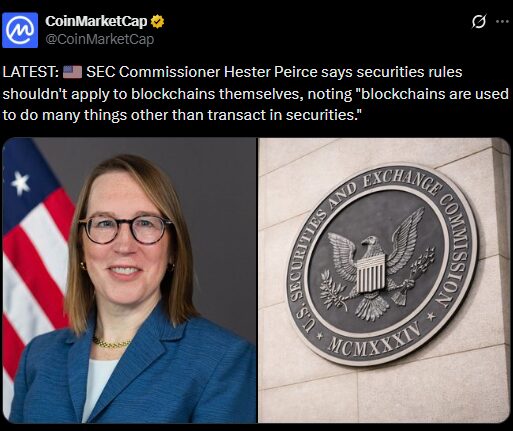
SEC Reviews Approach to Decentralized Finance
Peirce noted that many existing securities rules were designed for traditional financial institutions that act as intermediaries between buyers and sellers. In contrast, decentralized blockchain networks can operate without centralized control, making it difficult to apply the same regulatory framework.
She argued that responsibility for securities law violations should typically fall on individuals or entities that engage in unlawful activities rather than on developers who build software tools.
Regulatory Shift Signals New Direction for Crypto Oversight
The remarks align with broader efforts within the SEC to reassess how digital assets and decentralized systems should be regulated. Under current leadership, the agency has increasingly focused on providing regulatory clarity instead of relying primarily on enforcement actions.
Blockchain Technology Remains a Long-Term SEC Priority
Recent SEC guidance has suggested that certain software interfaces providing access to decentralized protocols may not qualify as traditional brokers. At the same time, the agency continues to view blockchain technology and digital assets as important areas for future oversight.
Live market reaction
Disclaimer
This content is for informational purposes only and does not constitute financial, investment, or legal advice. Cryptocurrency trading involves risk and may result in financial loss.
Start trading
with BloFin today
Up to $500 sign-up bonus and zero-fee trading on your first 30 days.
Buy crypto nowⓘ You will be redirected to BloFin
About the author
8+ years covering crypto markets, macro, and geopolitics. Previously at Decrypt and CoinDesk. Focused on the intersection of digital assets and traditional finance.

.jpeg&w=32&q=75) Laurisa ·
Laurisa · 
 Tristan R. ·