
Photo: Illustrative
StarkWare Launches Private KYC System to Reduce Personal Data Exposure
Zero knowledge technology firm StarkWare has unveiled a new Private KYC solution on Starknet that allows users to complete identity verification checks without exposing sensitive personal information. The system was introduced as a demonstration and aims to address growing concerns over data breaches and identity theft.
.jpeg)
Zero knowledge technology firm StarkWare has unveiled a new Private KYC solution on Starknet that allows users to complete identity verification checks without exposing sensitive personal information. The system was introduced as a demonstration and aims to address growing concerns over data breaches and identity theft.
How Private KYC Works
The solution uses STRK20 privacy features and zero-knowledge STARK proofs to verify specific facts about a user without revealing complete identity documents. Instead of sharing a passport, address, or other personal details, users can prove requirements such as being over 18 years old, holding valid credentials, or meeting eligibility standards.
To use the system, individuals scan their passport with a smartphone. The device reads the document and its NFC chip to verify authenticity. Identity information is then encrypted and stored in the user’s Starknet wallet, while selected attributes are registered onchain. Verification is completed through zero-knowledge proofs, allowing institutions to confirm eligibility without accessing private data.
Rising Cost of Data Breaches
StarkWare said traditional KYC processes force companies to collect and store large amounts of personal information, creating attractive targets for hackers. The launch comes as the United States recorded 3,322 data compromises in 2025, a 79% increase over the past five years. The average global cost of a data breach now stands at $4.4 million.
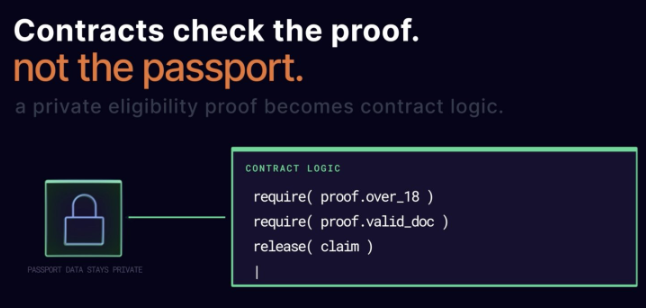
The model has similarities to World ID, which uses zero-knowledge proofs for identity verification. However, StarkWare emphasizes a self-custody approach that keeps users in control of their own data rather than relying on centralized storage.
The issue remains significant across industries. More than 1 billion healthcare records have reportedly been exposed through breaches, while the crypto sector continues to deal with the effects of the 2020 Ledger database hack, which leaked over 270,000 customer records and led to widespread phishing attacks.
Live market reaction
Disclaimer
This content is for informational purposes only and does not constitute financial, investment, or legal advice. Cryptocurrency trading involves risk and may result in financial loss.
Start trading
with BloFin today
Up to $500 sign-up bonus and zero-fee trading on your first 30 days.
Buy crypto nowⓘ You will be redirected to BloFin
About the author
Emerging voice in crypto journalism with a background in fintech and digital economics. Covers DeFi, NFTs, and the evolving regulatory landscape.

 Tristan R. ·

.jpeg&w=32&q=75) Laurisa ·
Laurisa ·