Photo: Illustrative
Tether vs. Europe: Why USDT Refuses to Comply with MiCA Regulations
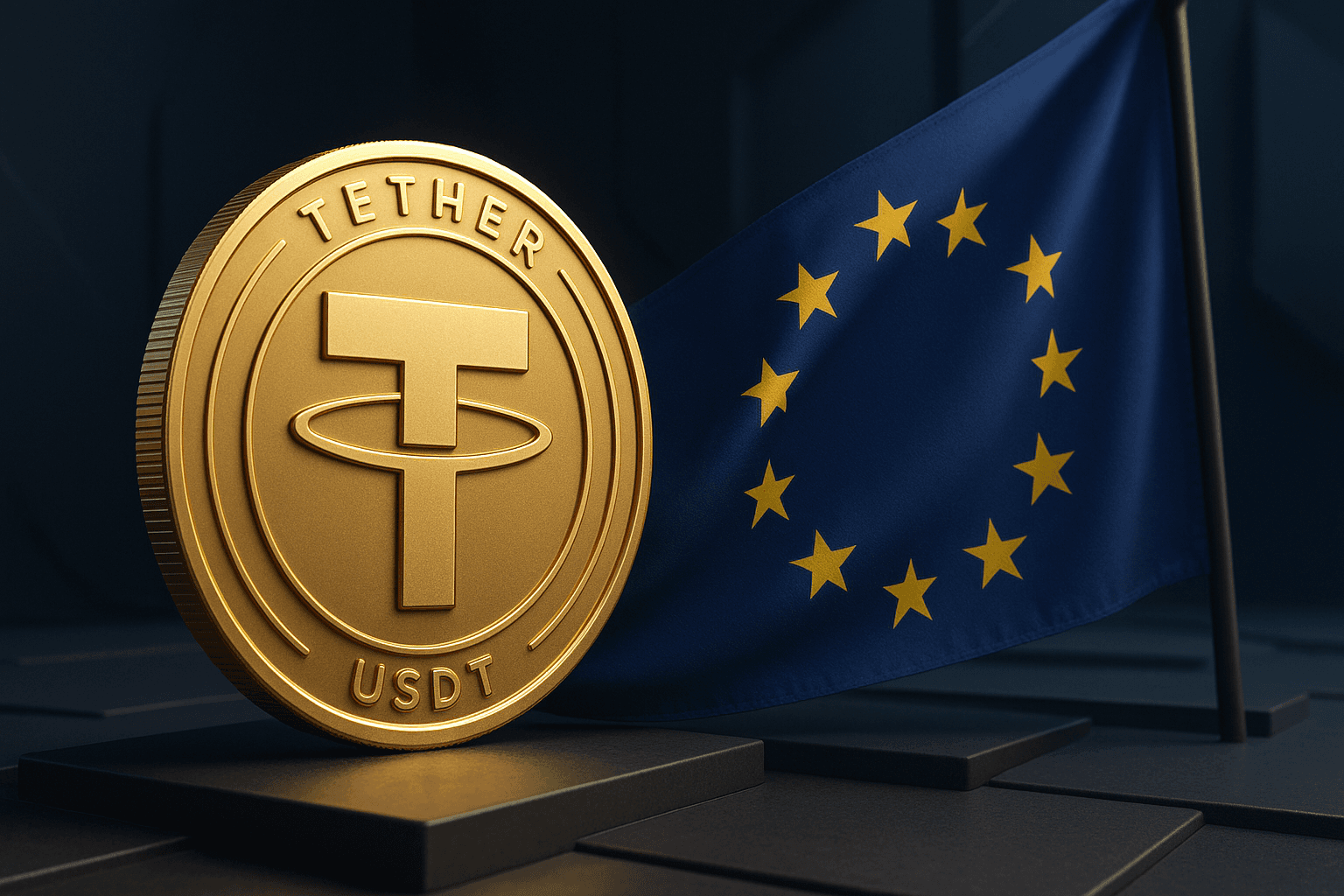
Tether, the company behind the world’s largest stablecoin USDT, has publicly stated it will not comply with certain regulations under the European Union’s Markets in Crypto-Assets (MiCA) framework. This decision has sparked intense debate in the crypto community, with questions about regulatory overreach, privacy concerns, and financial freedom.

Tether, the company behind the world’s largest stablecoin USDT, has publicly stated it will not comply with certain regulations under the European Union’s Markets in Crypto-Assets (MiCA) framework. This decision has sparked intense debate in the crypto community, with questions about regulatory overreach, privacy concerns, and financial freedom.
What is MiCA?
MiCA (Markets in Crypto-Assets) is a new regulatory framework designed by the EU to govern digital assets. It aims to create a clear, unified rulebook for cryptocurrencies and stablecoins across all member states.
Under MiCA:
- Issuers of stablecoins must maintain strict reserves and transparency
- Firms must submit detailed disclosures
- Stablecoin providers need to be licensed and regulated in the EU
The regulation officially goes into effect in 2024, but preparations are already underway.
Why Tether is Saying “No” to MiCA
Tether has raised serious concerns about MiCA’s approach, especially regarding its reporting requirements and transparency rules.
“MiCA’s rules are not aligned with the principles of financial privacy and free markets,” a Tether spokesperson said.
Here’s why Tether is pushing back:
- Overly strict reporting requirements could violate user privacy
- Mandatory EU licensing could limit Tether’s ability to operate globally
- Concerns over MiCA favoring euro-based stablecoins like Circle’s EUROC
Tether argues that MiCA, in its current form, might disrupt the balance between regulation and innovation.
What This Means for USDT Users in Europe
Tether’s refusal to comply means USDT may face restrictions or even a ban in the European market once MiCA is fully enforced.
Crypto exchanges operating in the EU could be forced to delist USDT, or risk penalties.
This may cause market liquidity issues, especially since USDT is the most traded stablecoin globally.
Investors and platforms may begin shifting toward MiCA-compliant alternatives like USDC or EUROC.
The Bigger Picture: Innovation vs. Regulation
This battle between Tether and EU regulators underscores a wider clash in the crypto world:
- Can regulators create rules without stifling innovation?
- Should financial privacy be sacrificed for compliance?
- Is the EU trying to favor local players over global competition?
Conclusion
Tether’s rejection of MiCA signals a potential standoff between crypto giants and regulators.
As rules tighten, crypto companies must choose between compliance and core values like decentralization and privacy.
One thing is clear: MiCA could reshape the future of stablecoins in Europe—and beyond.
Live market reaction
Disclaimer
This content is for informational purposes only and does not constitute financial, investment, or legal advice. Cryptocurrency trading involves risk and may result in financial loss.
Start trading
with BloFin today
Up to $500 sign-up bonus and zero-fee trading on your first 30 days.
Buy crypto nowⓘ You will be redirected to BloFin
About the author
8+ years covering crypto markets, macro, and geopolitics. Previously at Decrypt and CoinDesk. Focused on the intersection of digital assets and traditional finance.

.jpeg&w=32&q=75) Laurisa ·
Laurisa · 
 Tristan R. ·