

Photo: Illustrative
Tokenized Deposits Could Cost Banks $700 Billion in Lending Power, Study Finds
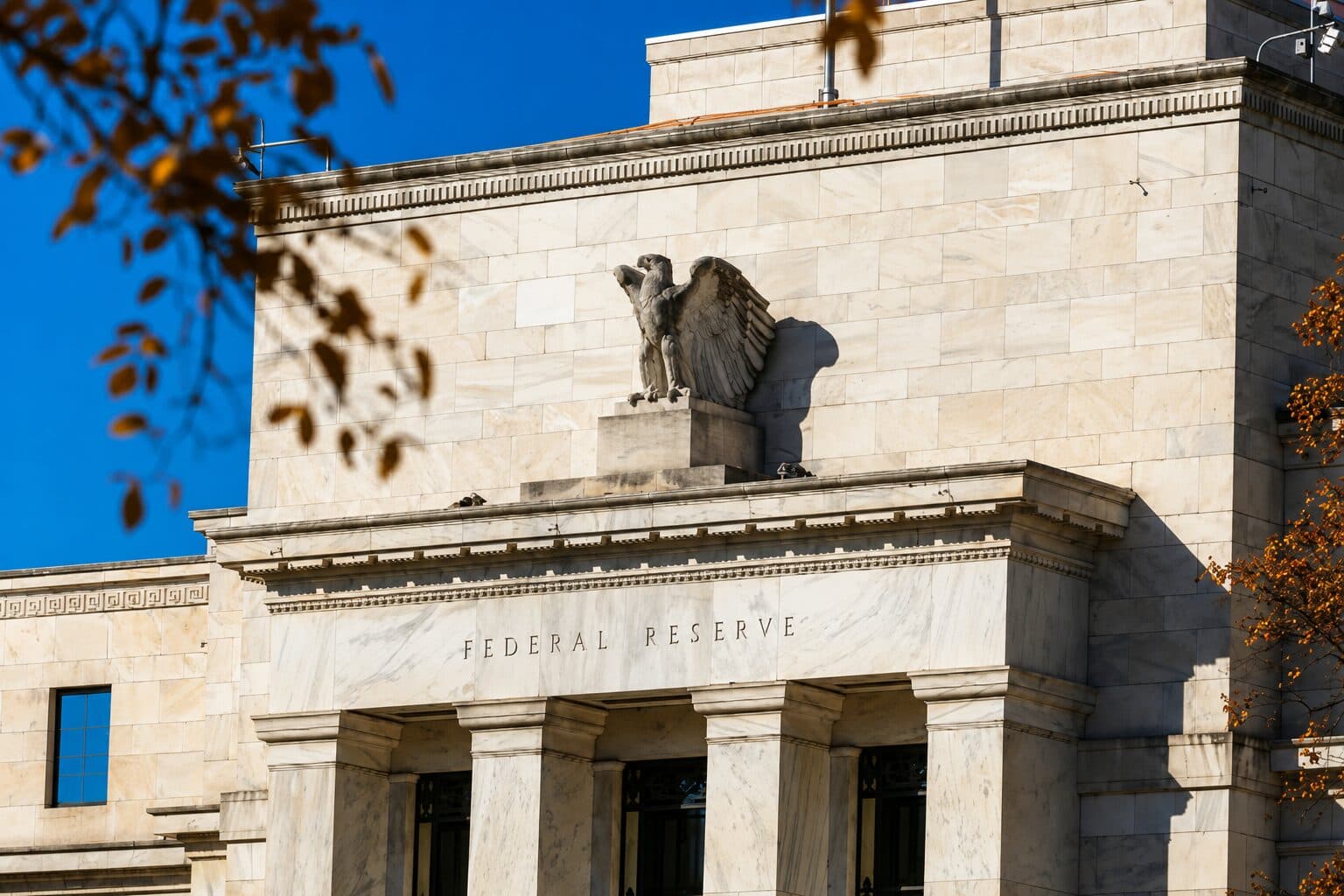
A fresh analysis from two Federal Reserve Bank of Dallas researchers suggests that tokenized deposits, digital versions of regular bank deposits built on blockchain technology, could shrink the U.S. banking system's ability to fund long-term loans by roughly $700 billion.
.jpeg)
A fresh analysis from two Federal Reserve Bank of Dallas researchers suggests that tokenized deposits, digital versions of regular bank deposits built on blockchain technology, could shrink the U.S. banking system’s ability to fund long-term loans by roughly $700 billion.
The researchers found that if these digital deposits make customers just 10% more responsive to interest rate changes, banks would lose a significant chunk of their capacity to absorb long-term interest rate risk. A related scenario, where deposits move to new banks 10% faster than usual, could remove closer to $580 billion in that capacity.
Why Faster Money Movement Matters
Ordinary deposits usually stay put for years, giving banks a stable base to fund mortgages and business loans. Tokenized deposits, however, allow near instant transfers between banks. Combined with automated tools or AI-driven systems, savers chasing better returns could shift funds constantly, forcing banks to raise deposit rates, hold more cash reserves, or borrow at higher cost, expenses that could ultimately trickle down to everyday borrowers.
A Real-World Preview from Brazil
A similar pattern already showed up in Brazil, where a faster payments network led banks to hold more government bonds while cutting back on lending, and increasing riskier subprime loans to chase returns elsewhere.
Major U.S. banks are already building shared networks for these tokenized deposits, aiming for smoother, round-the-clock settlement, even as regulators keep a close eye on the risks involved.
Live market reaction
Disclaimer
This content is for informational purposes only and does not constitute financial, investment, or legal advice. Cryptocurrency trading involves risk and may result in financial loss.
Start trading
with BloFin today
Up to $500 sign-up bonus and zero-fee trading on your first 30 days.
Buy crypto nowⓘ You will be redirected to BloFin
About the author
Emerging voice in crypto journalism with a background in fintech and digital economics. Covers DeFi, NFTs, and the evolving regulatory landscape.

 Guylian ·

.jpeg&w=32&q=75) Laurisa ·
Laurisa ·