

Photo: Illustrative
Traditional Banks Rapidly Expand Presence in EU’s Regulated Crypto Market
Traditional banks now make up nearly one in four crypto service providers registered under the European Union's Markets in Crypto Assets framework, marking a sharp increase from earlier this year. The number of banks on the EU's regulatory list roughly doubled between late June and mid September, according to an analysis of registration data from European securities regulators.
.jpeg)
Traditional banks now make up nearly one in four crypto service providers registered under the European Union’s Markets in Crypto Assets framework, marking a sharp increase from earlier this year. The number of banks on the EU’s regulatory list roughly doubled between late June and mid September, according to an analysis of registration data from European securities regulators.
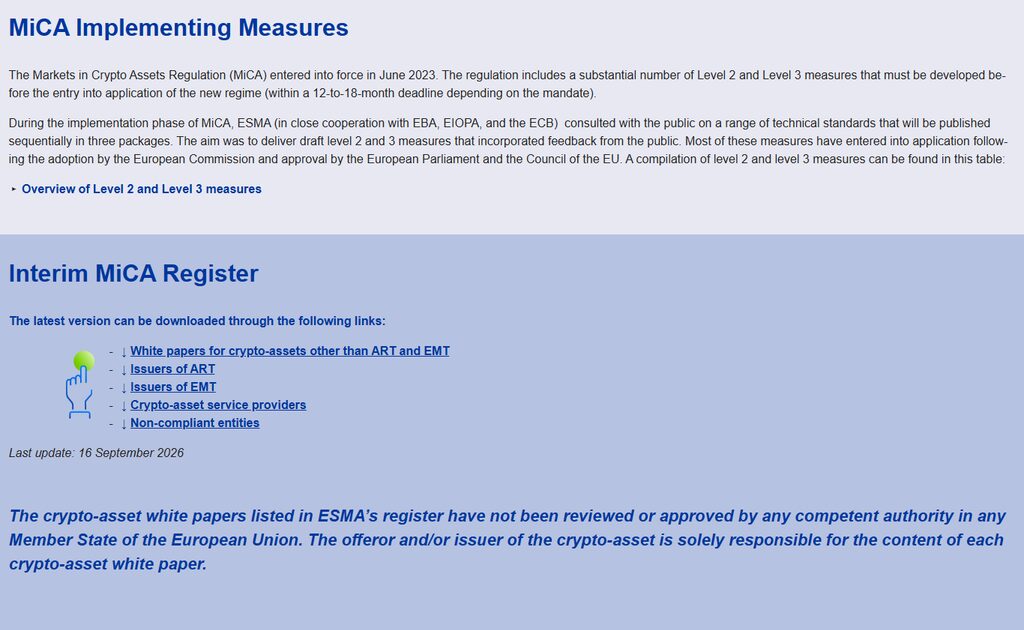
During the same period, the total number of registered crypto-asset service providers grew significantly, though non bank providers saw their overall share decline even as their raw numbers continued to grow. Banks, by contrast, expanded their share of the registry from around 17% to nearly 23% in just a few months.
Germany Leads the Banking Push
Germany has driven much of this expansion, with numerous cooperative and commercial banks joining the registry. Notably, Deutsche Bank, the country’s largest lender, recently announced plans to launch digital asset custody services for institutional and corporate clients across Europe, with regulatory approval expected as soon as next month.
The trend isn’t limited to major banking institutions. Germany’s additions include a wide range of smaller regional cooperative banks, suggesting crypto services are becoming increasingly mainstream within the country’s broader banking network rather than staying confined to large international players.
A Different Regulatory Pathway for Banks
Unlike crypto-native companies, which must undergo full licensing to operate under EU crypto rules, banks can offer crypto services through a simpler notification process. This allows a bank to begin offering crypto services after submitting required information to its home regulator at least 40 working days in advance, giving traditional financial institutions a faster route into the regulated crypto space.
Live market reaction
Disclaimer
This content is for informational purposes only and does not constitute financial, investment, or legal advice. Cryptocurrency trading involves risk and may result in financial loss.
Start trading
with BloFin today
Up to $500 sign-up bonus and zero-fee trading on your first 30 days.
Buy crypto nowⓘ You will be redirected to BloFin
About the author
Emerging voice in crypto journalism with a background in fintech and digital economics. Covers DeFi, NFTs, and the evolving regulatory landscape.

.jpeg&w=32&q=75) Laurisa ·
Laurisa · 
 Tristan R. ·