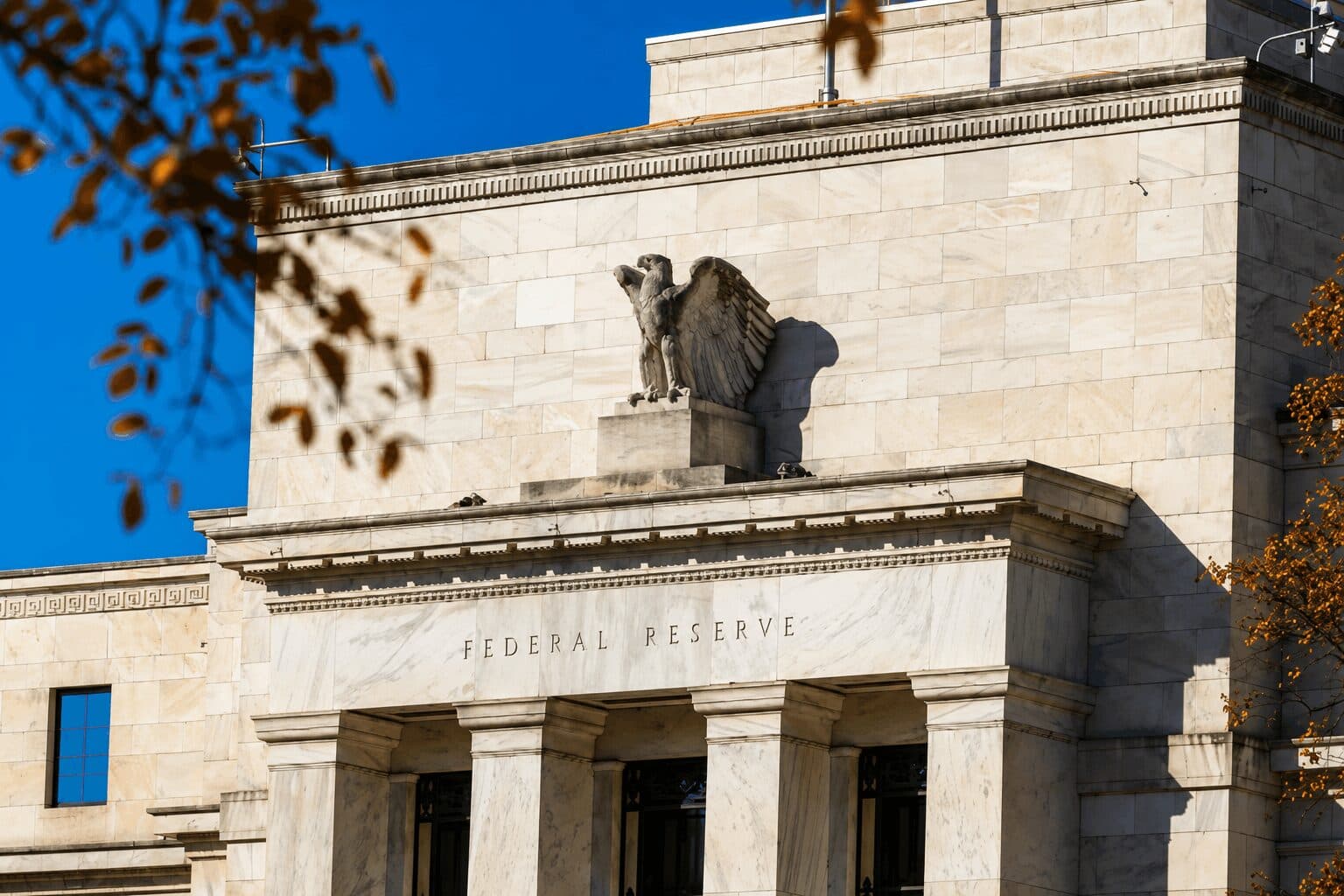


Photo: Illustrative
XRP Ledger Sets New Date For Feature Letting Banks Split Account Permissions
The XRP Ledger is moving forward with a fix that would let financial institutions divide account powers between payments and compliance, addressing a security flaw that halted an earlier version of the feature. The update, called PermissionDelegationV1_1, entered its activation window on September 21 after gaining support from 29 of the network's 35 trusted validators.
.jpeg)
The XRP Ledger is moving forward with a fix that would let financial institutions divide account powers between payments and compliance, addressing a security flaw that halted an earlier version of the feature. The update, called PermissionDelegationV1_1, entered its activation window on September 21 after gaining support from 29 of the network’s 35 trusted validators.
How The Approval Process Works
The change could switch on October 5 at 11:18 UTC, provided at least 28 validators keep backing it through the full two-week countdown. Support falling below 80 percent at any point would restart the clock from scratch.
What The Feature Actually Does
The upgrade allows a single account to hand out limited authority to other accounts based on specific tasks. A company issuing a stablecoin, for instance, could let an online compliance tool approve new customers while its master keys stay offline and untouched. A separate account could be authorized purely to send payments, without any ability to alter security settings or pass authority to a third party. Each delegate account can hold up to 10 distinct permissions, all of which remain adjustable or revocable by the primary account holder.
Second Attempt After Security Flaw
This marks the network’s second try at rolling out the tool. The original version carried a bug that could have let bad actors trick another account into paying transaction fees for actions it never authorized, potentially draining that account’s balance through repeated high fee submissions. The issue stemmed from the system checking permissions before confirming signatures, meaning fees could be charged even when a transaction later failed verification. A community tester flagged the problem in September 2025, while the feature was still being tested away from the main network.
Live market reaction
Disclaimer
This content is for informational purposes only and does not constitute financial, investment, or legal advice. Cryptocurrency trading involves risk and may result in financial loss.
Start trading
with BloFin today
Up to $500 sign-up bonus and zero-fee trading on your first 30 days.
Buy crypto nowⓘ You will be redirected to BloFin
About the author
Emerging voice in crypto journalism with a background in fintech and digital economics. Covers DeFi, NFTs, and the evolving regulatory landscape.

 Tristan R. ·