

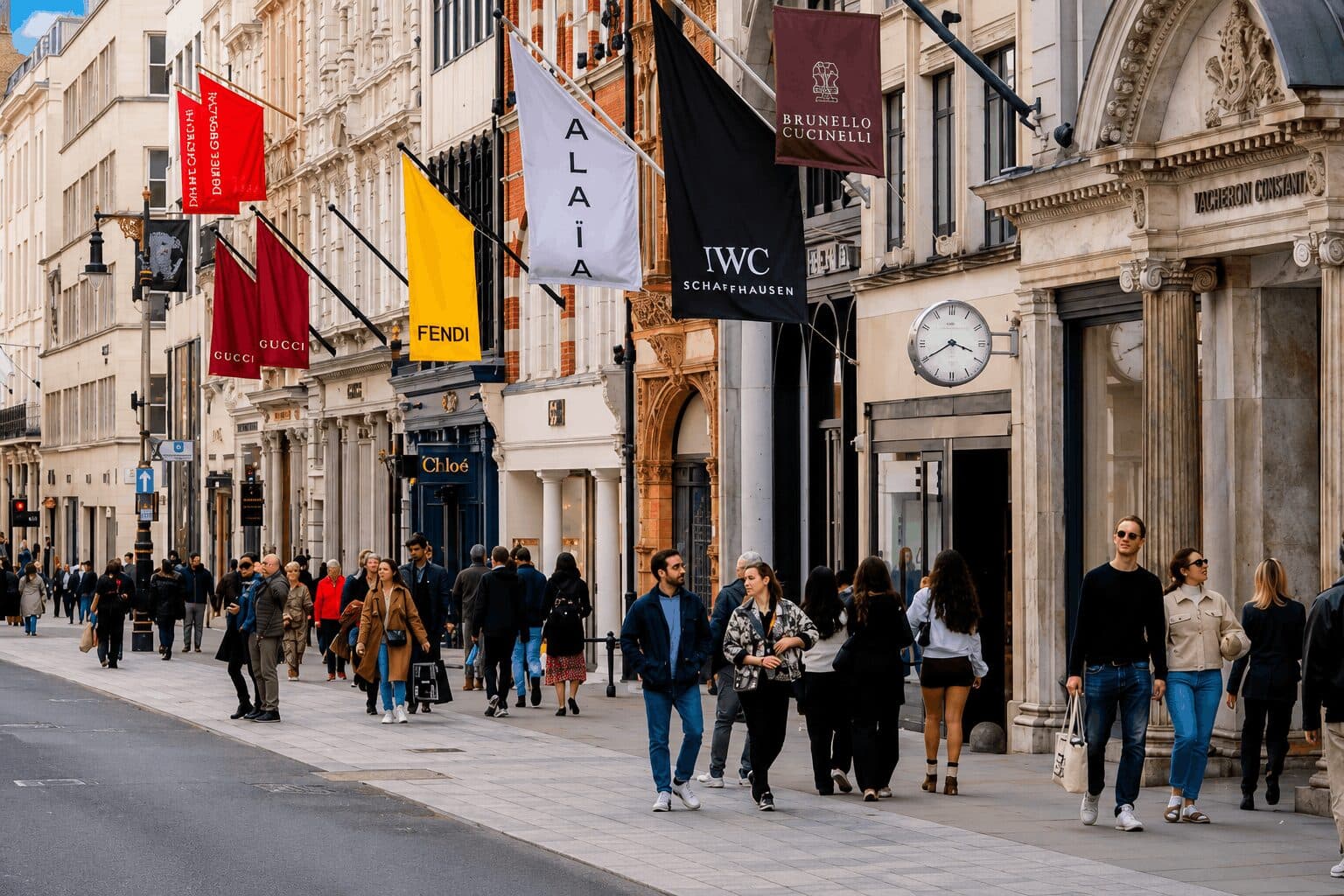
Photo: Illustrative
AI Millionaires Are Reshaping the Luxury Spending Landscape
A surge of newly minted millionaires, many tied to SpaceX and the broader AI boom, is changing how the luxury industry thinks about its customers. UBS data cited in a recent report shows roughly 440,000 Americans crossed into millionaire status last year, driven largely by stock market windfalls and high-profile public listings. SpaceX's initial public offering in June alone raised $85.7 billion and pushed the company's valuation to $1.77 trillion, creating a fresh pool of wealthy buyers with money to spend.
.jpeg)
A surge of newly minted millionaires, many tied to SpaceX and the broader AI boom, is changing how the luxury industry thinks about its customers. UBS data cited in a recent report shows roughly 440,000 Americans crossed into millionaire status last year, driven largely by stock market windfalls and high-profile public listings. SpaceX’s initial public offering in June alone raised $85.7 billion and pushed the company’s valuation to $1.77 trillion, creating a fresh pool of wealthy buyers with money to spend.
Unusual Purchases Signal a Shift in Taste
Unlike previous generations of wealthy buyers who gravitated toward designer clothing and leather goods, many of these newly rich tech workers are spending on unconventional items. One former SpaceX data scientist described buying meteorites and even a used fire truck, while eyeing a space-themed luxury watch tied to a historic NASA mission. These purchases reflect a broader trend: spending driven by personal interest and experience rather than status symbols.
Luxury Brands Face a Tougher Sell
Despite the wealth boom, luxury goods companies aren’t seeing an automatic windfall. The overall personal luxury market, valued at hundreds of billions of euros, has actually shrunk over the past two years due to weakness in China and cautious global consumers. Industry analysts note that newly wealthy buyers spend significantly less on traditional apparel and leather goods compared to those from established wealth, choosing instead to invest in real estate, cars, and yachts.
Smartwatches and Fitness Take Priority
Many of these new millionaires are prioritizing wellness and fitness tracking over flashy fashion. Smartwatches have become a favored purchase among tech workers focused on daily activity and health data, though traditional luxury watchmakers still hold appeal due to their strong resale value and status when paired with formal wear.
Regional Growth Remains a Bright Spot
Even as global luxury spending cools, North America has emerged as a strong-performing region for major luxury groups, with executives pointing to high consumer confidence in the United States as a key driver of recent sales growth.
Live market reaction
Disclaimer
This content is for informational purposes only and does not constitute financial, investment, or legal advice. Cryptocurrency trading involves risk and may result in financial loss.
Start trading
with BloFin today
Up to $500 sign-up bonus and zero-fee trading on your first 30 days.
Buy crypto nowⓘ You will be redirected to BloFin
About the author
Emerging voice in crypto journalism with a background in fintech and digital economics. Covers DeFi, NFTs, and the evolving regulatory landscape.
 Tristan R. ·

.jpeg&w=32&q=75) Laurisa ·
Laurisa ·