


Photo: Illustrative
Bank of Italy Study Finds No Consistent Cost Edge for Stablecoin Remittances
A new Bank of Italy study has found that stablecoin-based remittances do not offer a reliable cost or speed advantage over traditional payment methods, with most costs and delays stemming from fiat conversion and payment infrastructure rather than blockchain fees.
.jpeg)
A new Bank of Italy study has found that stablecoin-based remittances do not offer a reliable cost or speed advantage over traditional payment methods, with most costs and delays stemming from fiat conversion and payment infrastructure rather than blockchain fees.
Testing Across Ten Payment Corridors
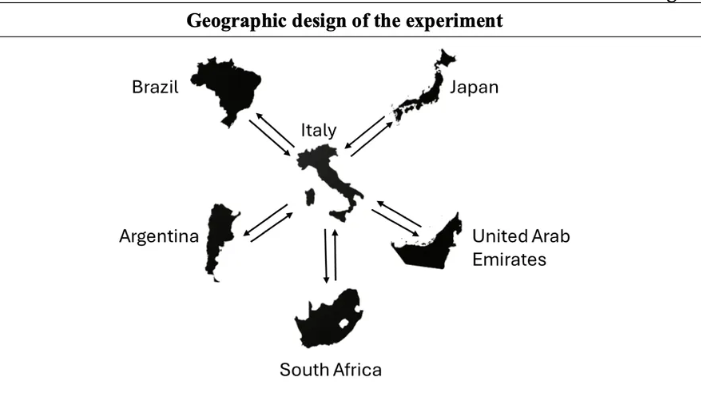
Researchers examined 200 USDC remittances across ten payment corridors linking Italy with Brazil, Argentina, Japan, the United Arab Emirates and South Africa, comparing total costs and settlement times against conventional remittance services. The study found that exchange fees and currency conversion made up the bulk of costs, while blockchain transaction fees contributed only a small share.
Costs Varied Widely by Corridor
Total remittance costs ranged from 0.3% to nearly 9% depending on the corridor, with transfers settling in under 20 minutes where instant payment systems existed, or taking one to two business days where they did not. Compared against the World Bank’s global average remittance cost of 6.65%, stablecoin transfers came out cheaper in most corridors tested, though they beat money-transfer service Wise in only three of seven comparable routes.
Infrastructure and Regulation Shape Outcomes
The study concluded that stronger domestic instant payment systems could improve stablecoin competitiveness, since settlement speed depended heavily on local payment infrastructure. Researchers noted the biggest potential gains would come if stablecoins could be spent directly for goods, rent or school fees without converting back to local currency. The report also found that overly restrictive regulations increased complexity for retail users, while prohibitionist approaches pushed demand toward unregulated offshore platforms instead of suppressing it.
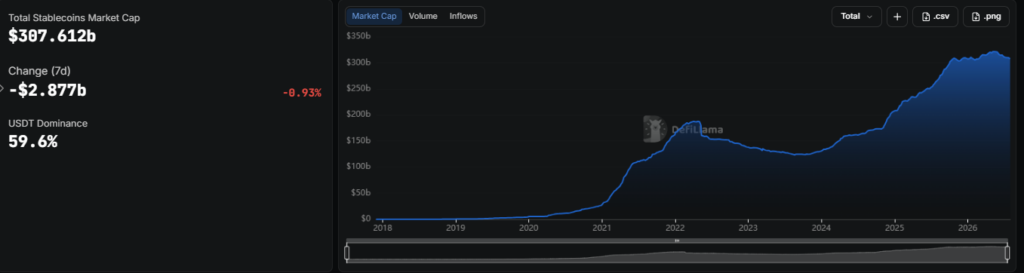
The global stablecoin market now around $307 billion, up about 16% over the past year.
Live market reaction
Disclaimer
This content is for informational purposes only and does not constitute financial, investment, or legal advice. Cryptocurrency trading involves risk and may result in financial loss.
Start trading
with BloFin today
Up to $500 sign-up bonus and zero-fee trading on your first 30 days.
Buy crypto nowⓘ You will be redirected to BloFin
About the author
Emerging voice in crypto journalism with a background in fintech and digital economics. Covers DeFi, NFTs, and the evolving regulatory landscape.

.jpeg&w=32&q=75) Laurisa ·
Laurisa · 

 Tristan R. ·