

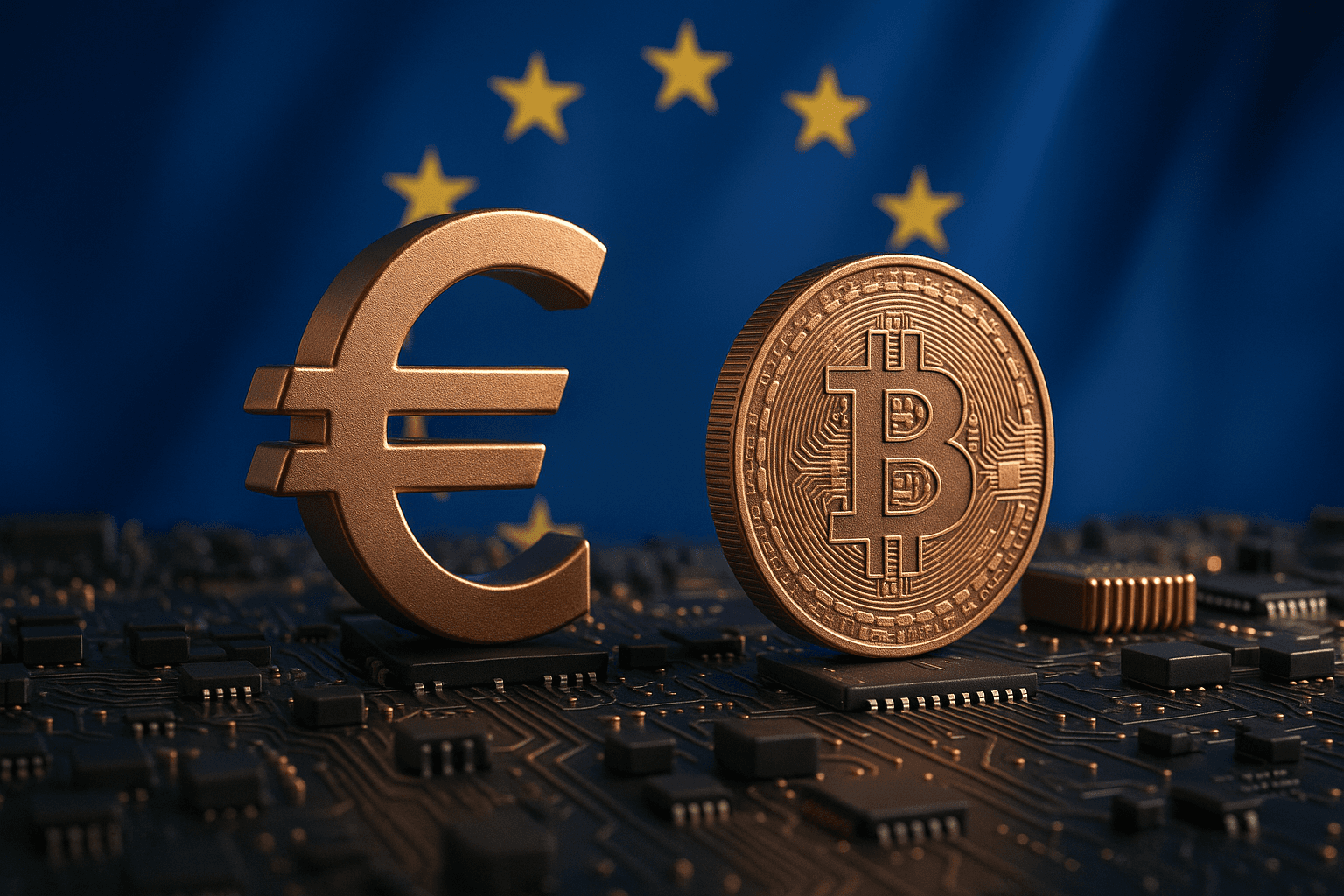
Photo: Illustrative
EU Crypto Tax Reporting Rules Begin in January With Asset Seizure Risk
DAC8 directive expands tax transparency across digital assets and exchanges

DAC8 directive expands tax transparency across digital assets and exchanges
The European Union is set to introduce sweeping crypto tax reporting requirements starting January 1, significantly increasing oversight of digital asset activity across the bloc. The new framework, known as DAC8, strengthens cooperation between tax authorities and brings crypto transactions closer to the level of scrutiny applied to bank accounts and securities.
Under the directive, crypto-asset service providers including exchanges, brokers, and custodians must collect and report detailed user and transaction data to their national tax authorities. This information will then be shared automatically across EU member states, closing long-standing reporting gaps in the crypto economy.
While the rules take effect at the start of the year, firms are granted a transition period until July 1 to fully align their reporting systems, customer due diligence processes, and internal controls. After that date, non-compliance may result in penalties determined by national regulators.
DAC8 operates alongside the EU’s Markets in Crypto-Assets (MiCA) regulation but serves a different purpose. While MiCA focuses on licensing, consumer protection, and market conduct, DAC8 is designed to track the tax trail, giving authorities the data needed to assess and enforce tax obligations.
For crypto users, the implications are significant. If tax evasion or avoidance is detected, authorities can coordinate across borders to freeze or seize crypto assets, even when platforms or holdings are located outside a user’s home country.
Disclaimer
This content is for informational purposes only and does not constitute financial, investment, or legal advice. Cryptocurrency trading involves risk and may result in financial loss.
Live market reaction
Disclaimer
This content is for informational purposes only and does not constitute financial, investment, or legal advice. Cryptocurrency trading involves risk and may result in financial loss.
Start trading
with BloFin today
Up to $500 sign-up bonus and zero-fee trading on your first 30 days.
Buy crypto nowⓘ You will be redirected to BloFin
About the author
8+ years covering crypto markets, macro, and geopolitics. Previously at Decrypt and CoinDesk. Focused on the intersection of digital assets and traditional finance.

.jpeg&w=32&q=75) Laurisa ·
Laurisa · 

 Tristan R. ·