

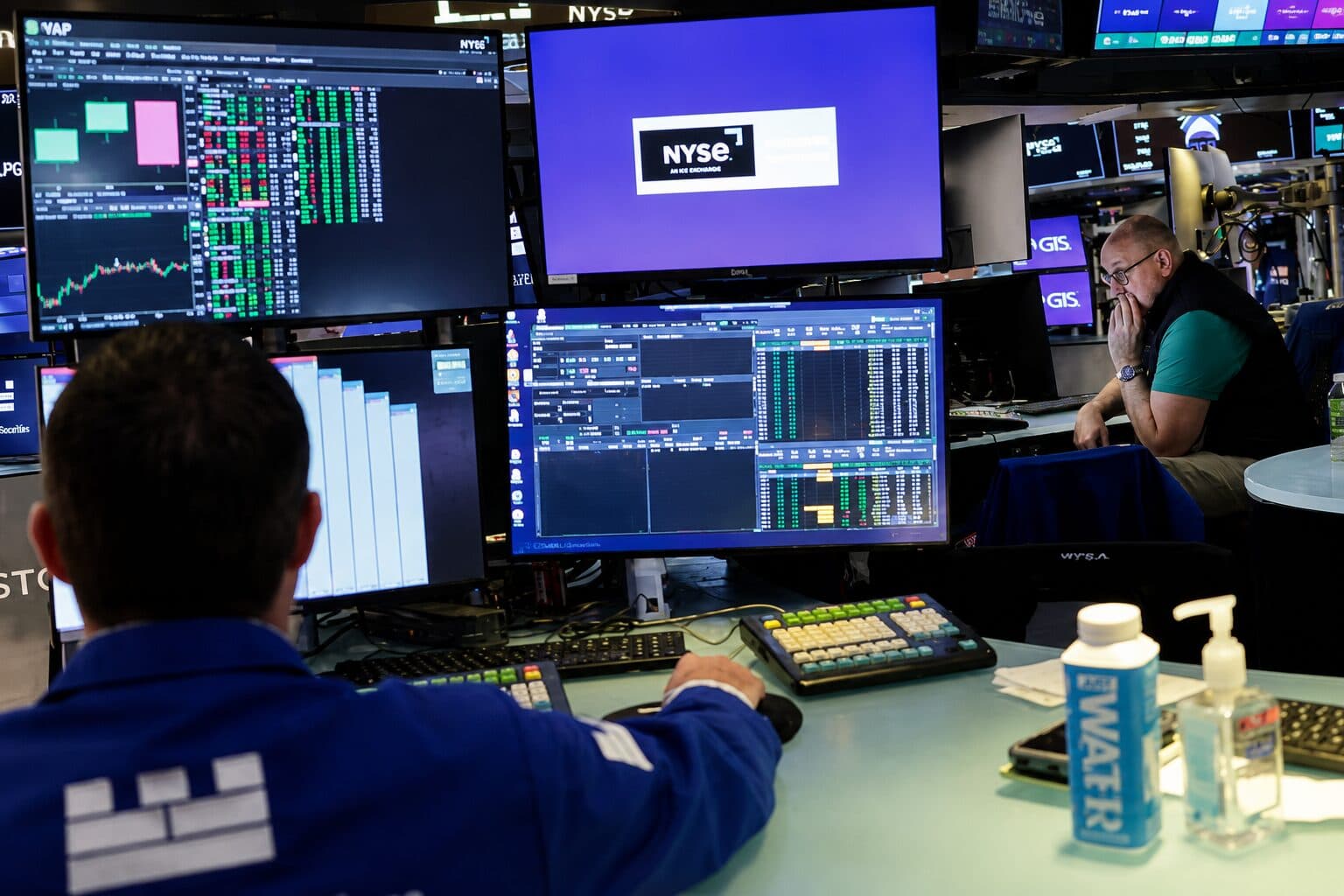
Photo: Illustrative
Tokenized Stocks Could Repeat Wall Street’s 1960s ‘Paper Crisis,’ Fairmint CEO Warns
The rapid growth of tokenized stocks risks recreating a modern version of Wall Street's historic settlement breakdown from the 1960s, according to Fairmint CEO Joris Delanoue, who says the industry is moving faster on distribution than on building reliable ownership infrastructure.

The rapid growth of tokenized stocks risks recreating a modern version of Wall Street’s historic settlement breakdown from the 1960s, according to Fairmint CEO Joris Delanoue, who says the industry is moving faster on distribution than on building reliable ownership infrastructure.
Lessons From Wall Street’s Original Paper Crisis
In the late 1960s, surging stock trading overwhelmed manual paperwork systems, leading to missing securities, settlement failures, and even temporary market closures. That crisis eventually led to centralized securities depositories and the creation of the Depository Trust Company. Delanoue argues today’s tokenized markets face a similar risk, but digitally, as ownership records become fragmented across exchanges, special-purpose vehicles, and proprietary blockchain systems.
Ownership, Not Access, Is the Real Challenge
While demand for tokenized US stocks is genuine, particularly among international investors seeking exposure to companies like Apple, Nvidia, and Tesla, Delanoue said many current products only offer economic exposure rather than actual legal ownership. This distinction can create uncertainty around voting rights, dividends, and asset claims if an issuer fails. Fairmint, an SEC-registered transfer agent, positions its blockchain ledger as the authoritative shareholder record itself, rather than a secondary mirror of traditional systems.
Interoperability Seen as the Next Major Hurdle
Delanoue warned that closed, competing standards among exchanges and infrastructure providers could fragment the market further, potentially harming smaller participants. He said Fairmint has open-sourced its onchain securities standard to encourage broader industry compatibility, arguing that establishing shared infrastructure now could prevent a larger structural crisis later.
Live market reaction
Disclaimer
This content is for informational purposes only and does not constitute financial, investment, or legal advice. Cryptocurrency trading involves risk and may result in financial loss.
Start trading
with BloFin today
Up to $500 sign-up bonus and zero-fee trading on your first 30 days.
Buy crypto nowⓘ You will be redirected to BloFin
About the author
8+ years covering crypto markets, macro, and geopolitics. Previously at Decrypt and CoinDesk. Focused on the intersection of digital assets and traditional finance.

 Guylian ·

.jpeg&w=32&q=75) Laurisa ·
Laurisa ·