
Photo: Illustrative
US Lawmakers Review New Crypto Tax Rules Ahead of Key House Hearing
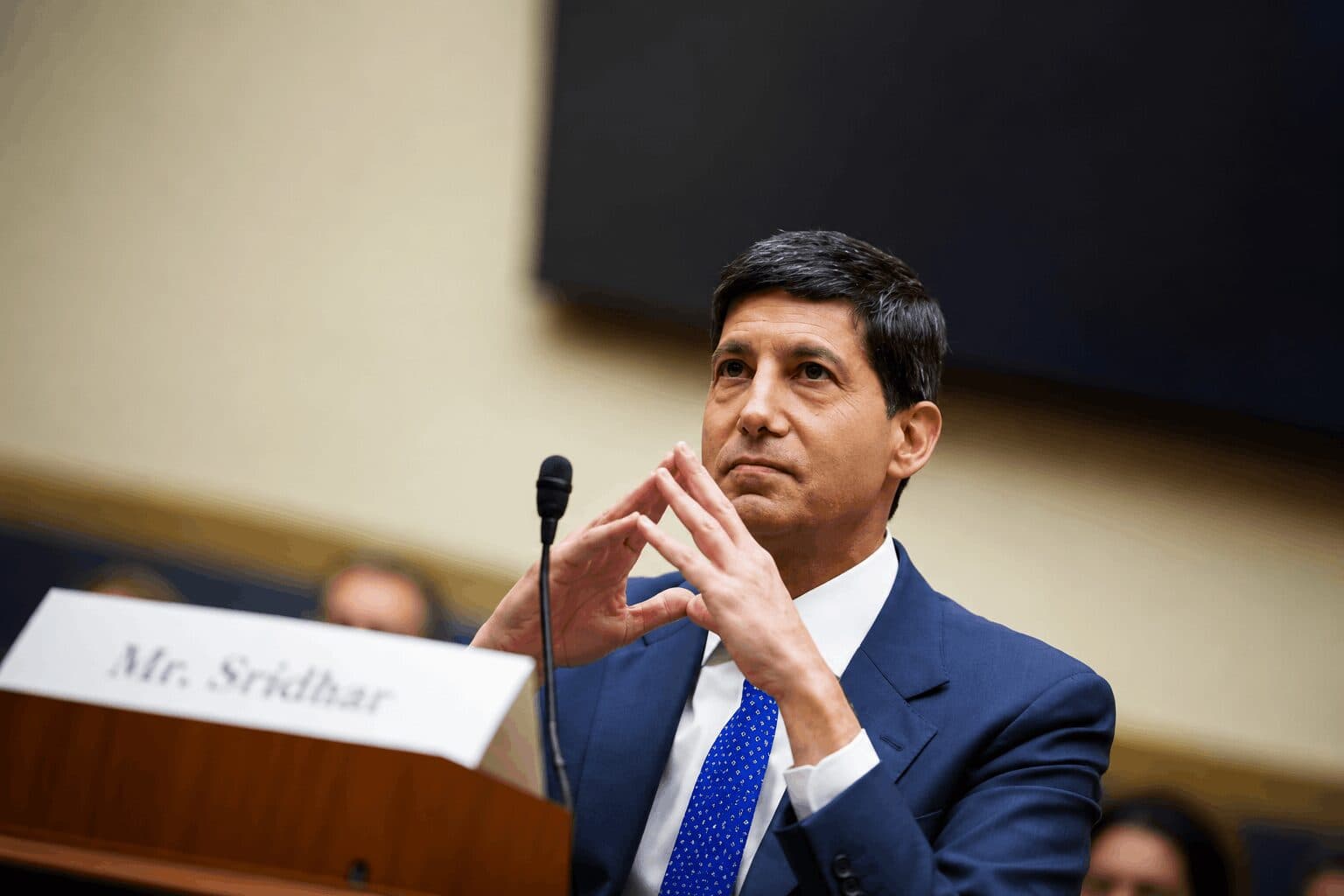
US lawmakers are preparing to discuss a series of cryptocurrency tax proposals during a House Ways and Means Committee hearing scheduled for Tuesday. Ahead of the session, the committee released seven discussion drafts focused on updating tax rules for digital assets, including stablecoins, cryptocurrency transactions, staking and mining activities.

US lawmakers are preparing to discuss a series of cryptocurrency tax proposals during a House Ways and Means Committee hearing scheduled for Tuesday. Ahead of the session, the committee released seven discussion drafts focused on updating tax rules for digital assets, including stablecoins, cryptocurrency transactions, staking and mining activities.
The proposals aim to provide greater clarity for both investors and businesses operating in the digital asset sector. Industry groups have long argued that current tax regulations create unnecessary complexity and discourage wider adoption of cryptocurrencies in everyday transactions.
De Minimis Exemption Gains Attention
One of the most closely watched proposals involves a “de minimis” exemption that would reduce reporting requirements for small crypto transactions. Supporters argue that requiring users to track and report taxes on minor purchases made with digital assets creates an unreasonable burden.
The Digital Asset PARITY Act, formally introduced in May, proposes a $200 reporting threshold for stablecoin transactions. Separately, discussions between the House Ways and Means Committee and the Senate Finance Committee have reportedly included a possible $300 exemption for Bitcoin transactions and other small digital asset payments.

Tax Clarity for Staking and Mining
Lawmakers are also reviewing proposals that would provide clearer tax treatment for cryptocurrency staking rewards and mining income. Industry advocates have repeatedly called for updated guidance to better reflect how blockchain networks operate.
Many supporters believe clearer rules could encourage more digital asset activity to remain within the United States rather than move overseas due to regulatory uncertainty.
Illinois Moves Forward With State-Level Crypto Tax
As federal lawmakers debate national policy, Illinois is advancing its own crypto tax framework. The state’s recently approved $56 billion budget includes a proposed 0.2% tax on digital asset transactions processed through registered brokers.
The measure still requires Governor JB Pritzker’s signature before becoming law. If enacted, Illinois would become one of the first states to introduce a dedicated tax on cryptocurrency transactions, adding another layer to the broader debate over digital asset taxation in the United States.
Live market reaction
Disclaimer
This content is for informational purposes only and does not constitute financial, investment, or legal advice. Cryptocurrency trading involves risk and may result in financial loss.
Start trading
with BloFin today
Up to $500 sign-up bonus and zero-fee trading on your first 30 days.
Buy crypto nowⓘ You will be redirected to BloFin
About the author
8+ years covering crypto markets, macro, and geopolitics. Previously at Decrypt and CoinDesk. Focused on the intersection of digital assets and traditional finance.
 Tristan R. ·
.jpeg&w=32&q=75) Laurisa ·
Laurisa ·