


Photo: Illustrative
US Regulators Miss Deadline for Finalizing Stablecoin Rules Under GENIUS Act
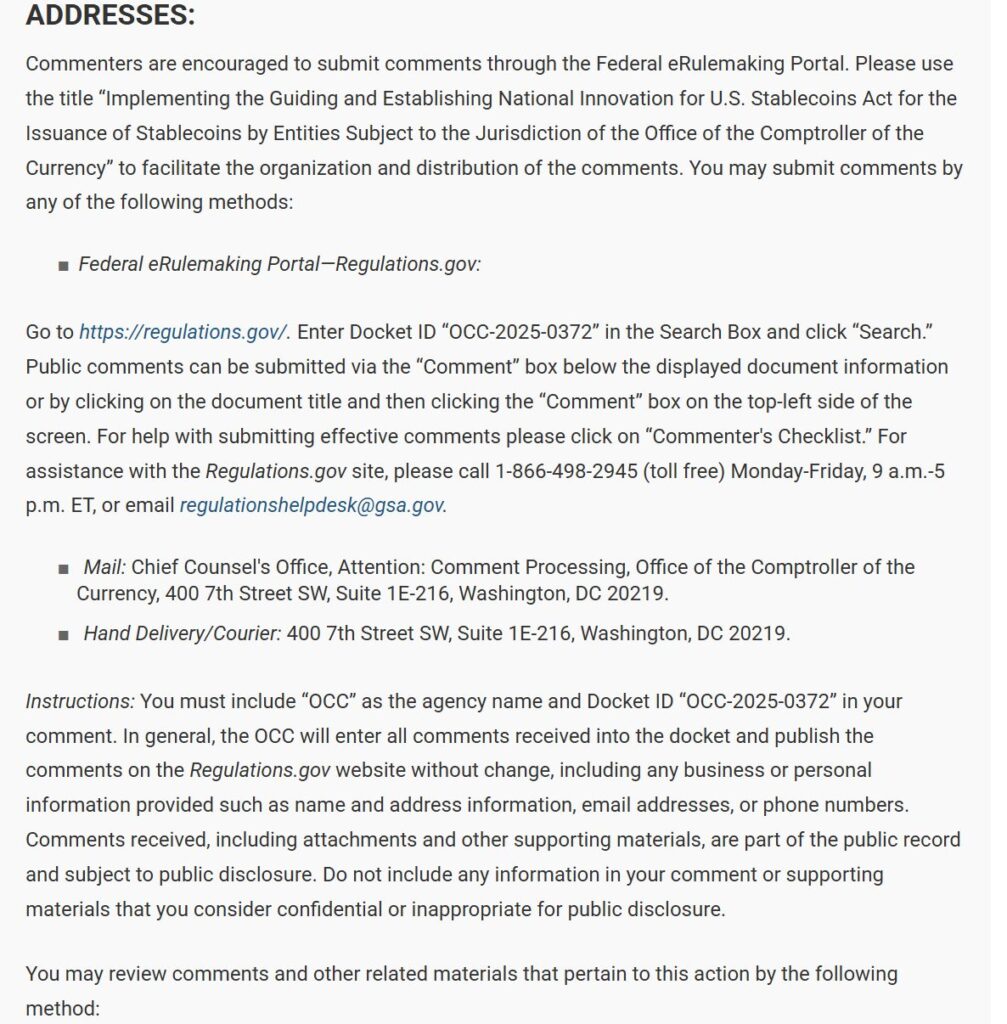
Federal regulators failed to finalize implementing rules for the GENIUS Act by its one-year deadline on Saturday, leaving the country's new federal stablecoin framework without a complete set of binding regulations. As of the deadline, major rule packages from the Office of the Comptroller of the Currency, the FDIC, the National Credit Union Administration and the Treasury Department all remained in proposal form, with several still open for public comment.

Federal regulators failed to finalize implementing rules for the GENIUS Act by its one-year deadline on Saturday, leaving the country’s new federal stablecoin framework without a complete set of binding regulations. As of the deadline, major rule packages from the Office of the Comptroller of the Currency, the FDIC, the National Credit Union Administration and the Treasury Department all remained in proposal form, with several still open for public comment.
Law Set Clear Timeline, But No Penalty for Delay
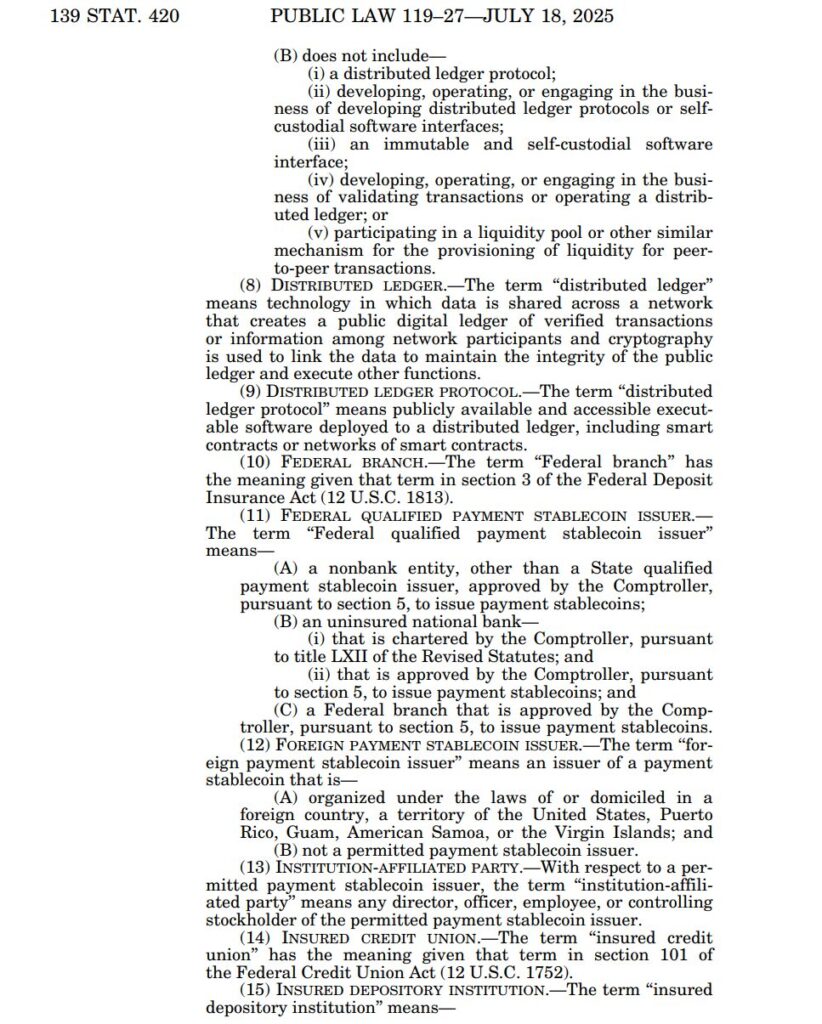
President Trump signed the GENIUS Act into law on July 18, 2025, establishing the first major standalone federal framework for payment stablecoins, covering reserve requirements, redemption policies, disclosures and supervisory standards. The law directed relevant regulators to complete implementing rules within one year, but it does not specify any penalty or automatic extension if that deadline is missed.
Several Key Proposals Still Under Review
The OCC’s broad implementing proposal, covering reserve assets, capital and risk management requirements, has been public since March but remains unfinished. The FDIC’s related proposal addressing reserves and deposit insurance treatment is also still pending, as is a joint customer identification rule with comments open until August 21. A separate FDIC proposal addressing anti-money laundering compliance remains open for public comment until August 4, making completion before the deadline impossible through standard procedure.
Industry Feedback Adds Complexity
Regulators still need to work through significant industry input before finalizing rules. Major financial firms have pushed back on specific provisions, including proposed limits on tokenized reserve assets and requests to expand which Treasury-related assets qualify as eligible reserves. Lawmakers had previously warned regulators about the risk of missing the deadline, and questions remain unresolved regarding how much regulatory authority individual states will retain under the new federal framework.
Effective Date Remains Unchanged Despite Delay
Even though the rulemaking deadline was missed, the law’s effective date is not automatically postponed. Under the statute, the framework takes effect on the earlier of January 18, 2027, or 120 days after final rules are issued, meaning any rules finalized after mid-September would no longer be able to accelerate that timeline. In the meantime, prospective stablecoin issuers must continue preparing based on proposed rules that could still change before becoming final, while some core requirements, such as maintaining fully backed reserves and publishing regular disclosures, are already written directly into the law itself.
Live market reaction
Disclaimer
This content is for informational purposes only and does not constitute financial, investment, or legal advice. Cryptocurrency trading involves risk and may result in financial loss.
Start trading
with BloFin today
Up to $500 sign-up bonus and zero-fee trading on your first 30 days.
Buy crypto nowⓘ You will be redirected to BloFin
About the author
8+ years covering crypto markets, macro, and geopolitics. Previously at Decrypt and CoinDesk. Focused on the intersection of digital assets and traditional finance.

.jpeg&w=32&q=75) Laurisa ·
Laurisa ·