Photo: Illustrative
US to Pressure Allies Into Choosing Sides in AI Rivalry With China
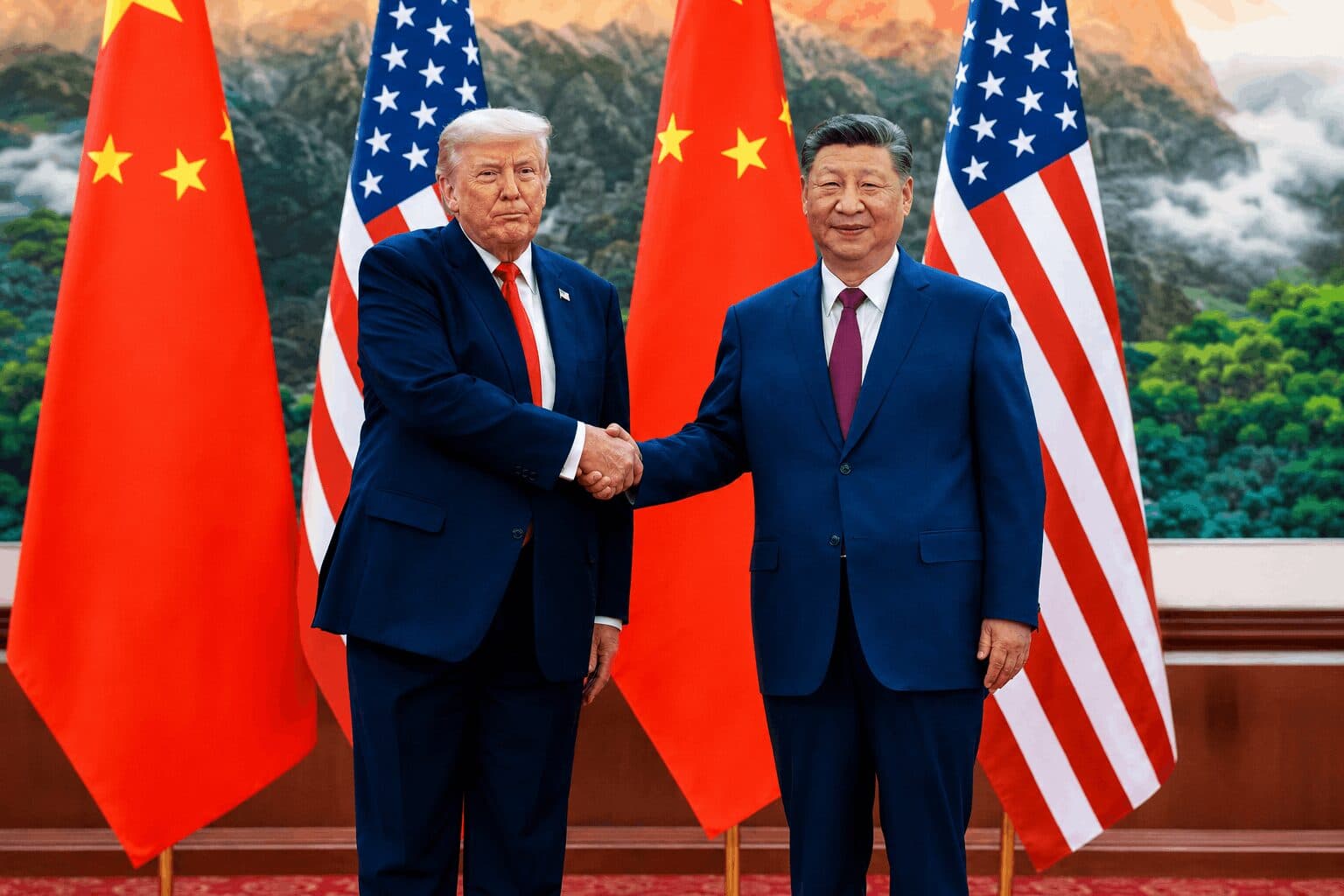
The United States is preparing to warn dozens of countries that they must commit exclusively to Washington's artificial intelligence coalition or risk being cut out of it, according to an internal draft letter reviewed by Reuters. The move signals an escalation in the technology rivalry between the US and China as both nations race to secure global partners for AI development.

The United States is preparing to warn dozens of countries that they must commit exclusively to Washington’s artificial intelligence coalition or risk being cut out of it, according to an internal draft letter reviewed by Reuters. The move signals an escalation in the technology rivalry between the US and China as both nations race to secure global partners for AI development.
Draft Letter Targets AI Coalition Members
The letter, prepared by the State Department, is addressed to 35 countries that signed the US “AI Opportunity Statement” in June. Those nations are also linked to the broader Pax Silica initiative, which Washington launched last year to secure supply chains for AI models, semiconductors, and critical minerals. About two dozen countries have joined Pax Silica so far, including close allies like Japan, Australia, and South Korea.
Kazakhstan Caught Between Two Camps
Kazakhstan has emerged as the only country known to be part of both the US-led coalition and a competing initiative launched by China. Beijing introduced its own “World Artificial Intelligence Cooperation Organization” in July, promoting open-weight AI technology as an alternative to US-dominated systems. The draft letter tells recipients that partial commitment isn’t an option, stating that being part of everything effectively means being part of nothing. Kazakhstan holds significant reserves of critical minerals, making its dual membership particularly concerning for US officials.
A Pivotal Moment in the AI Race
The pressure campaign comes as Chinese open-weight AI models continue closing the gap with proprietary systems built by US companies including OpenAI and Anthropic. A US official told Reuters that countries can’t credibly present themselves as trusted partners in one AI ecosystem while also joining an initiative designed to advance a competing vision. China’s embassy in Washington pushed back, saying politicizing trade and technology issues would only hold back global AI progress.
Critical Minerals Add to the Stakes
China has previously used its near-monopoly over critical minerals as leverage in a tariff dispute with the US, prompting Washington to expand efforts to source minerals domestically and through allied nations. The State Department declined to comment on what it called a “purportedly leaked” document, and it remains unclear when the letter will be sent or whether its language will change beforehand.
Live market reaction
Disclaimer
This content is for informational purposes only and does not constitute financial, investment, or legal advice. Cryptocurrency trading involves risk and may result in financial loss.
Start trading
with BloFin today
Up to $500 sign-up bonus and zero-fee trading on your first 30 days.
Buy crypto nowⓘ You will be redirected to BloFin
About the author
8+ years covering crypto markets, macro, and geopolitics. Previously at Decrypt and CoinDesk. Focused on the intersection of digital assets and traditional finance.
US Jobs Report Misses Big With Only 29K Added as Unemployment Rises to 4.2%
 Tristan R. ·
BNB Chain Becomes First Blockchain to Pass $1 Billion in Tokenized Stocks and ETFs
Tristan R. · 
Wall Street Sept Oct 2:Bitcoin Tops $86,000 as Dominance Nears 60% Ahead of US Jobs Report
.jpeg&w=32&q=75) Laurisa ·
Laurisa ·